Selling a Flood-Damaged Car in NY
5 min read · June 22, 2026 · Updated July 15, 2026
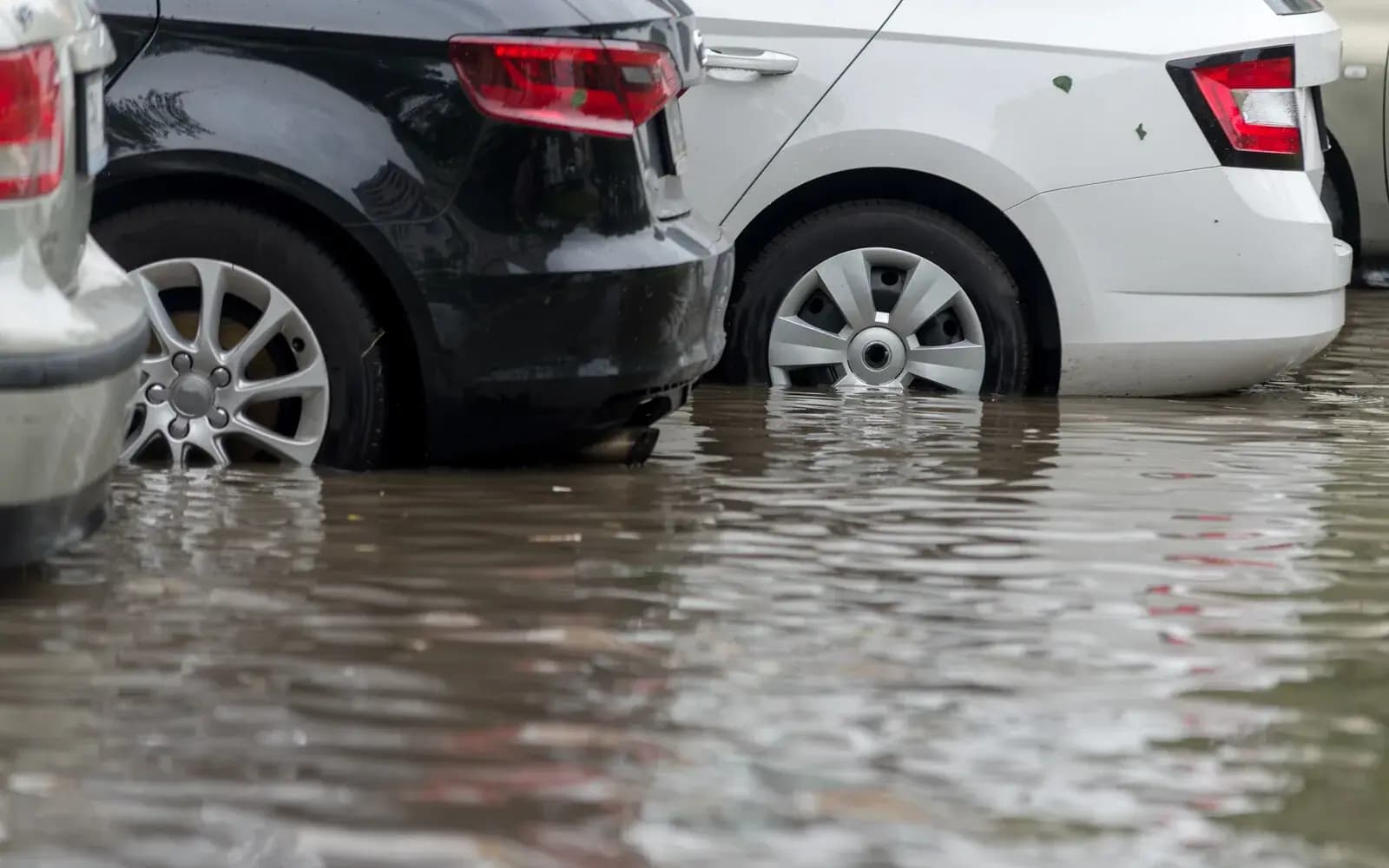
A finished basement garage in Queens takes on two feet of water during a summer downpour, or a driveway on the Suffolk County coast floods during a nor'easter — either way, the car that was sitting there is now flood-damaged, and the question that actually matters is whether it can still be sold. It can. New York doesn't ban the sale of a flood-damaged car; it just has rules about what paperwork follows it, and about being honest with whoever buys it next.
Can you sell a car with flood damage in NY?
Yes. A flooded car is still sellable, the same way a car that won't start or one with other serious damage is still sellable. What changes is the paperwork and the price, not whether a sale is possible. Junk and salvage buyers deal in exactly this kind of car regularly — flood damage isn't a rare, disqualifying condition, it's a known category with its own set of rules. The car's mechanical condition afterward, whether the engine still runs, whether the electronics still work, factors into the price the same way any other damage would, rather than ruling the sale out entirely. Fire damage follows similar logic but doesn't get branded on the title in quite the same documented way; how fire-damaged cars are branded and sold in NY covers that separate category.
When does flood damage become a salvage certificate?
Once repair costs from water damage pass 75% of what the car was worth before the flood, New York's salvage rules kick in and the car gets a salvage certificate instead of a standard title. What an MV-907A salvage certificate actually is covers the full mechanics of that threshold and what it means going forward. Below that 75% line, the car can often still carry a regular title — but the flood history doesn't disappear either way, and it's worth treating that history as permanent regardless of which side of the threshold the damage falls on. That threshold is also worth confirming rather than assuming, since a lower-value car can cross the 75% line with less dollar damage than a newer one would need.
New York's own warning about flood-damaged cars
The DMV takes flood damage seriously enough that it publishes its own consumer warning about buying used cars with flood history. That warning exists because flood damage doesn't always announce itself right away — problems with electrical systems and hidden corrosion can surface well after a car looks and smells dry, which is a large part of why disclosure matters as much as the paperwork itself.
Basement-garage flooding is common enough in dense areas like Queens that it's a real, recurring cause — not a rare one — alongside the coastal storm surge that hits Long Island and other shoreline communities. New York's flood risk isn't limited to one kind of geography, which is part of why the same DMV rule applies regardless of whether the water came from a basement or a beach. The state's 75% threshold looks at repair cost against value, not the source of the water, so a car damaged by a summer cloudburst gets evaluated the same way as one damaged by a named coastal storm.
Does hiding flood damage actually work?
No, not for long. New York points buyers and sellers to the NICB's VINCheck, a free lookup that flags flood and theft history tied to a car's VIN. Flood history is attached to the VIN, not to what a seller chooses to say about it, so a future buyer, an insurer, or another junk buyer down the line can find it either way. The lookup itself only takes a VIN and a few seconds, and it's free to use, so there's no real reason to assume a buyer won't check. Disclosing it yourself, upfront, is the version of this where nobody feels misled later, and it tends to make the actual sale go faster, since there's nothing left for a buyer to discover and use as a reason to slow down or renegotiate. Selling for cash, privately, doesn't change any of this either — the VIN record doesn't care who's asking or how the sale happens. A short written note when you first describe the car — when the flooding happened, how deep the water reached, and what stopped working afterward — covers most of what a buyer actually needs to make a fair offer on the first try. It also means the description on file matches what a VIN lookup would eventually show, which is exactly the position that avoids any argument once the tow truck shows up. New York doesn't require a specific disclosure form for any of this, but whether you have to disclose salvage or flood history when selling in NY covers what the law does and doesn't require beyond the VIN check.
If the flooding also came with a scramble to find the title — common after storm cleanup, when paperwork gets soaked or lost along with everything else — selling a car with a lost title in NY covers what to do about that part separately, since a missing title and flood damage are two different problems that just happen to show up together often.
Where CashMyCarNY fits in
Flooded is one of the specific conditions CashMyCarNY lists as something we buy — right alongside cars that don't run, are wrecked, rusted, or missing parts. Get an instant offer and describe the flood damage as part of it; towing is still free anywhere in New York, folded into the offer, and payment happens at pickup once the car matches what you described. There's no advantage to leaving the flood history out of the conversation early.
Quick answers
Can you actually sell a car with flood damage in New York? Yes. There's no rule against selling a flood-damaged car — the paperwork changes depending on how bad the damage is, but the sale itself is legal either way, whether the car still runs or not.
Will flood damage automatically turn into a salvage title? Only if the repair cost passes 75% of the car's pre-flood value. Below that line, the car can sometimes keep a standard title, though the flood history still exists on record and is worth disclosing regardless.
Does flood history follow the car even if I don't mention it? Yes. It's tied to the VIN through free lookup tools like NICB's VINCheck, so it's discoverable with or without a seller's disclosure — mentioning it yourself just means nobody's surprised by it later.
Does it matter whether the flooding happened in a Suffolk County storm or somewhere else in New York? No. The same rules apply everywhere in the state, whether the water came from a coastal storm in Suffolk County or a flooded basement somewhere inland.
The short version
Flood damage doesn't stop a sale in New York — it just determines which paperwork follows the car. Repairs that cost more than 75% of the car's pre-flood value trigger a salvage certificate instead of a standard title; below that line, a regular title can often stick around. Either way, flood history is tied to the VIN and stays findable, so disclosing it upfront beats hoping nobody checks. CashMyCarNY buys flooded cars specifically, so there's no need to hide it to get an offer — describing it accurately, basement or coastline, is the faster path to a number that holds.
Get your instant offer
Free towing · No hidden fees · No obligation

Frequently Asked
Will you buy a car that failed NY inspection?
Yes. A failed inspection is one of the most common reasons people call us — and the repair estimate is often worth more than the car. We buy it whether it passed or not.
What kinds of cars do you buy?
Just about anything — running or not, wrecked, flooded, rusted out, or missing parts. We make offers on cars that other buyers pass on.
Do I need the title?
Having the title in hand is best — you'll sign it over in the seller section on the back at pickup. If your title is missing, tell us your situation and we'll walk you through what's possible.
How is my offer calculated?
We price your car based on year, make, model, and condition, plus current scrap value that week. Newer and larger vehicles are generally worth more, but there is no typical figure worth quoting — the number depends on your specific car, so get your own instant offer for the real one.
Is towing really free?
Yes — free towing means $0, no hidden fee, anywhere in New York.
How fast can you pick up?
We move quickly once your offer is accepted. Exact timing depends on your location and schedule, so we'll confirm a pickup window with you directly.
What paperwork do I need in NY?
You'll need your signed-over title, and your plates should come off before pickup. New York requires sellers to surrender plates to the DMV before canceling insurance, and the DMV issues an FS-6 receipt for the surrender — we'll walk you through it.
What happens to my plates?
Remove your plates before we arrive for pickup. You'll then surrender them to the DMV and keep the FS-6 receipt as your proof of surrender — check dmv.ny.gov for details on the process.
When and how do I get paid?
You get paid at pickup once the vehicle and paperwork are confirmed — no waiting around for a check in the mail.
We’ll Buy It.
Because when it comes down to it, junk cars are our thing. Anywhere in New York.