Can You Sell a Car That Doesn't Run?
4 min read · July 10, 2026 · Updated July 15, 2026
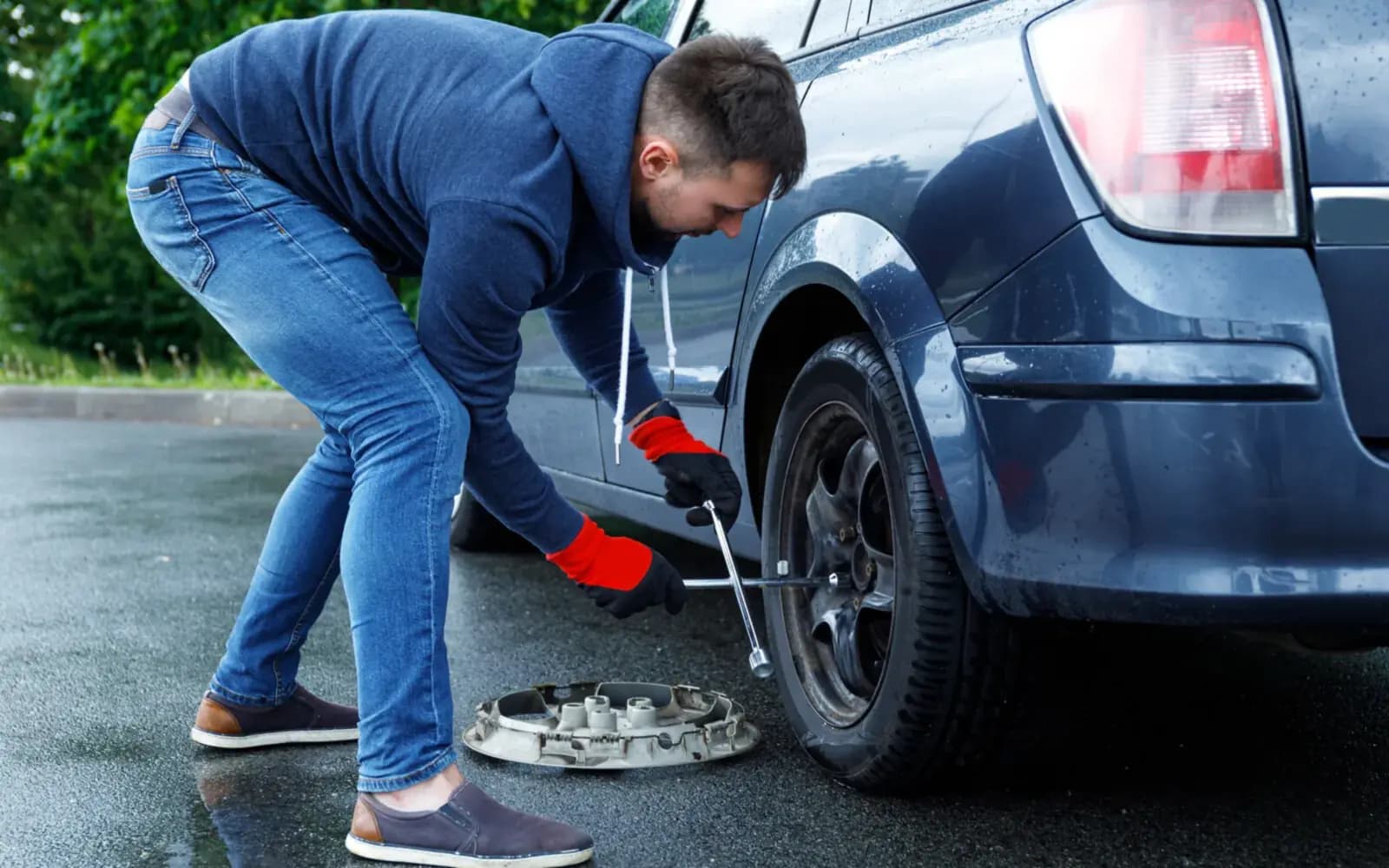
Yes — you can sell a car that doesn't run, and in a lot of cases the sale is faster and simpler than selling one that does. It's a common assumption that a car has to start, drive, and pass some basic sniff test to be worth anything. That assumption is wrong, and it causes people to hang onto dead cars far longer than they need to, or to give one away for nothing because they think that's the only option.
Why non-running doesn't mean worthless
A car that doesn't run has stopped being transportation, but it hasn't stopped being made of steel, aluminum, copper wiring, and other materials that hold value on their own. Junk car buyers exist specifically because there's a market for vehicles in exactly this condition — the whole business model is built around cars that no longer function. If non-running cars were worthless, that market wouldn't exist.
That doesn't mean every non-running car is worth the same amount, or that "non-running" is irrelevant to value. It just means the running-or-not question isn't the only question, and it's rarely the deciding one.
What actually affects a dead car's value
A handful of factors matter more than whether the engine turns over — whether the underlying problem is a seized engine, a blown head gasket, or something else entirely:
- Weight and scrap steel content. Heavier vehicles — trucks, SUVs, full-size sedans — generally contain more scrap steel than compact cars, and that weight is a real driver of value regardless of running condition.
- Whether the catalytic converter is present. Catalytic converters contain valuable metals, and a car with an intact converter is generally worth more than the same car with one missing or removed. If you are weighing removing it and selling the converter separately, New York's 2022 law sets conditions on that. This isn't a hypothetical risk — NYC catalytic converter thefts nearly quadrupled in 2022 (5,548 reported vs. 1,505 over the same period in 2021), with Nassau County up 248% and Suffolk County nearly tripling, and replacing a stolen converter typically runs $2,000–$3,000 (source). If your catalytic converter was stolen, the car is still worth getting an offer on.
- Completeness. A car that's mostly intact — body panels, wheels, interior, major components still attached — tends to be worth more than one that's already been stripped for parts. Missing pieces subtract from the total even if the core steel is still there. That includes small things too — even a car sold without the keys can still be sold, though it's worth checking how that affects your specific offer.
- Age. Older cars generally carry less value than newer ones, but age is one input among several, not the whole story. A complete, heavier older car can still be worth more than a stripped, lighter newer one.
None of these factors require the car to run. That's the point — a non-running car can score well on weight, converter presence, and completeness even with a dead engine or a blown transmission.
Options at a glance
If your car doesn't run — whether it quit yesterday or it's a car that's sat for years — you generally have a handful of realistic paths forward. None of them is universally "best" — it depends on your time, your car's condition, and how much effort you're willing to put in.
| Option | Typical effort | Best if... |
|---|---|---|
| Junk car buyer | Low — one call or online form, they arrange towing | You want it gone quickly without repairs, listings, or negotiating |
| Private sale "as-is" | High — photos, listings, fielding calls, meeting buyers | The car has real resale or parts value and you have time to manage a sale |
| Donate it | Moderate — paperwork with the charity, they typically arrange pickup | You'd rather support an organization than maximize what you get for the car |
| Part it out yourself | Very high — pulling parts, listing them individually, storing what's left | You have the tools, time, and space, and want to capture parts value piece by piece |
(If your car runs but keeps failing NY State inspection instead of quitting outright, the same options above generally apply — running condition isn't really the deciding factor there either.)
Each of these trades effort for outcome in a different way. Parting a car out yourself can capture more value than any single sale, but it takes real time, tools, and a place to store the shell while you work through it. A junk car buyer trades some of that potential value for speed and simplicity — one call, no listings, no strangers coming to look at a car sitting in your driveway.
Making the call
If your car doesn't run and you've been putting off dealing with it because you assumed it was worthless, that assumption is worth revisiting. The engine not turning over doesn't erase the value of the steel, the converter, or the parts still attached to the frame. What matters is figuring out which option fits your situation — how much time you have, how much effort you're willing to put in, and how quickly you want the car gone. If repair is even on the table as an alternative to selling, the repair-vs-sell math can help you see whether fixing it actually pencils out before you commit to that path.
For most non-running cars sitting unused, getting an instant offer is a fast way to find out what you're actually working with, without committing to a private sale or a parts-out project you may not have time to finish.
Quick answers
- How much does it cost to replace a stolen catalytic converter? The Governor's office cites $2,000–$3,000 for the theft-damage repair, and NYC catalytic converter thefts nearly quadrupled in 2022 (source). If yours was taken, see your catalytic converter was stolen for what that does to your car's value.
- Does a car need to pass inspection before I can junk it? No — selling to a buyer who tows it away isn't a registration transaction, so failing NY State inspection doesn't block the sale itself.
- Does a non-running car's value change based on where in NY it's sitting? Towing distance is factored into offers everywhere, including Westchester County — free towing means that cost isn't deducted from what you're paid.
Get your instant offer
Free towing · No hidden fees · No obligation
Frequently Asked
Will you buy a car that failed NY inspection?
Yes. A failed inspection is one of the most common reasons people call us — and the repair estimate is often worth more than the car. We buy it whether it passed or not.
What kinds of cars do you buy?
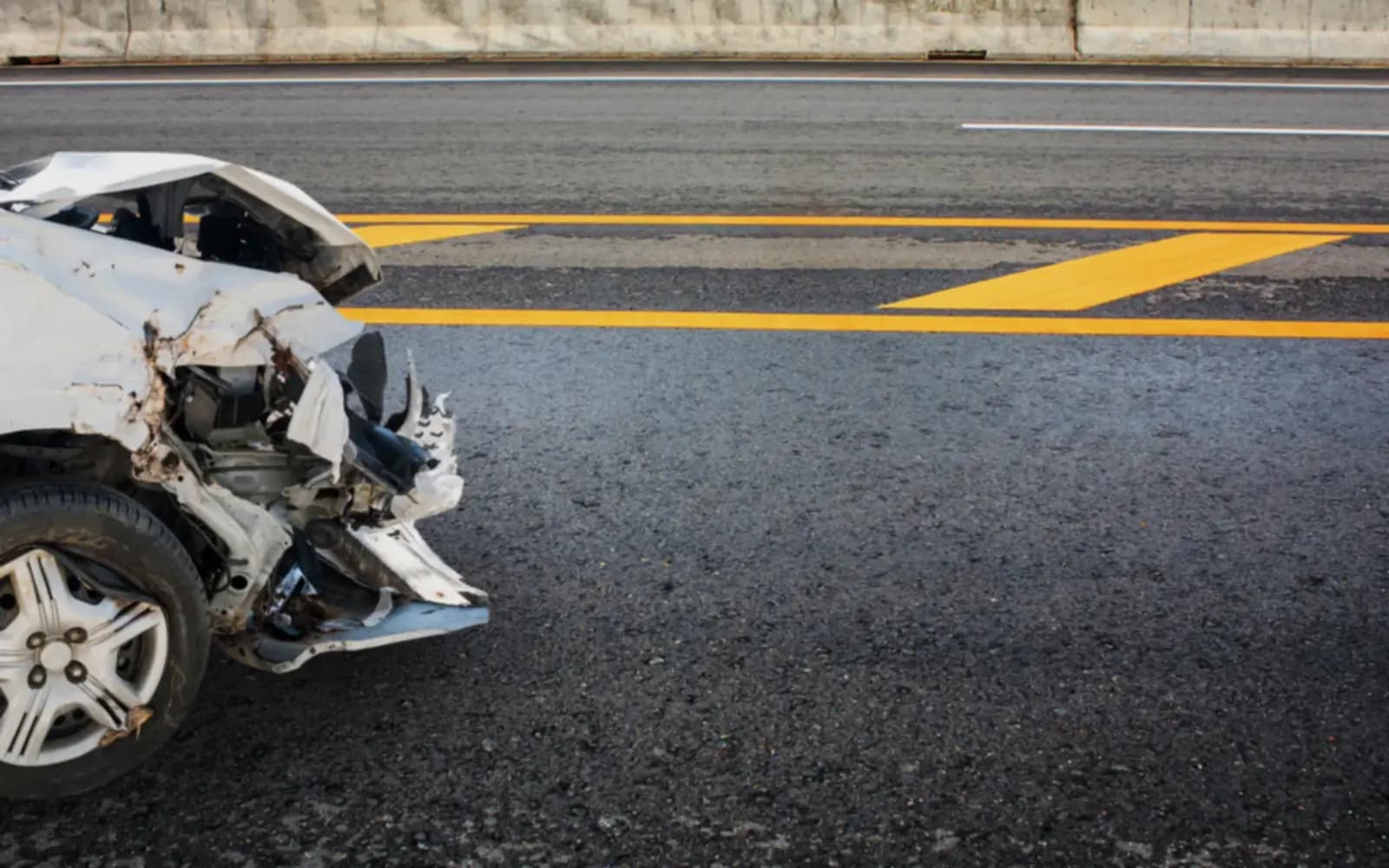
Just about anything — running or not, wrecked, flooded, rusted out, or missing parts. We make offers on cars that other buyers pass on.
Do I need the title?
Having the title in hand is best — you'll sign it over in the seller section on the back at pickup. If your title is missing, tell us your situation and we'll walk you through what's possible.
How is my offer calculated?
We price your car based on year, make, model, and condition, plus current scrap value that week. Newer and larger vehicles are generally worth more, but there is no typical figure worth quoting — the number depends on your specific car, so get your own instant offer for the real one.
Is towing really free?
Yes — free towing means $0, no hidden fee, anywhere in New York.
How fast can you pick up?
We move quickly once your offer is accepted. Exact timing depends on your location and schedule, so we'll confirm a pickup window with you directly.
What paperwork do I need in NY?
You'll need your signed-over title, and your plates should come off before pickup. New York requires sellers to surrender plates to the DMV before canceling insurance, and the DMV issues an FS-6 receipt for the surrender — we'll walk you through it.
What happens to my plates?
Remove your plates before we arrive for pickup. You'll then surrender them to the DMV and keep the FS-6 receipt as your proof of surrender — check dmv.ny.gov for details on the process.
When and how do I get paid?
You get paid at pickup once the vehicle and paperwork are confirmed — no waiting around for a check in the mail.
We’ll Buy It.
Because when it comes down to it, junk cars are our thing. Anywhere in New York.