What Is a Salvage Title? (And Is It Actually Bad?)
9 min read · August 17, 2026 · Updated August 29, 2026
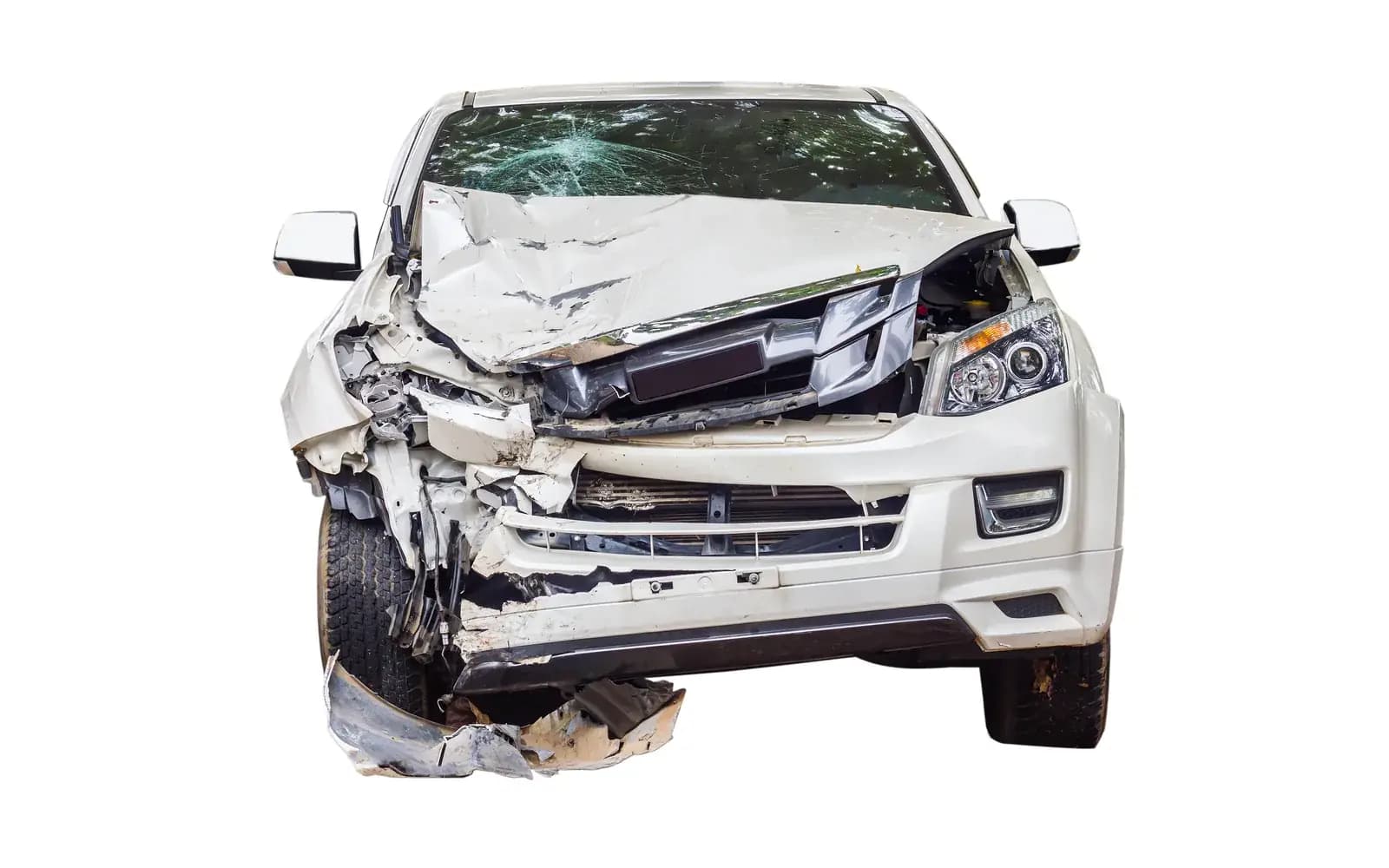
A salvage title means an insurance company or a state agency decided the cost to fix a car's damage was too high relative to what the car was worth before the damage happened. It's not a description of how the car drives, and it's not automatically a reason to walk away — it's a paperwork flag that follows the car and changes how it can be bought, sold, insured, and registered from that point forward. Whether that's actually bad depends heavily on what you're trying to do with the car.
What does salvage title mean?
Every state runs its own version of this system, but the mechanism is the same everywhere: when a vehicle's damage — from a collision, flood, fire, theft, or vandalism — costs more to repair than a set percentage of what the car was worth right before the damage, the title (or the certificate that stands in for it) gets branded "salvage." That branding follows the vehicle through every future sale. It doesn't expire, and it doesn't quietly disappear if the car changes hands a few times.
The specific percentage that triggers a salvage brand, and exactly which document gets issued, varies by state. That's one reason "salvage title meaning" questions don't have one universal answer — the concept is consistent, but the paperwork and the threshold aren't identical from Ohio to Florida to New York. If you're researching a car and want the exact rule for wherever it's titled, that state's DMV or equivalent agency is the place to confirm it, not a national rule of thumb.
What does a salvage title mean in New York specifically?
New York's version of this is well-documented. According to the DMV's salvage vehicles page, a vehicle becomes salvage when it's transferred to or acquired by an insurance company with a Salvage Certificate (Form MV-907A) because it has significant damage from a collision, theft, vandalism, or water, and the repair cost runs more than 75% of the car's pre-damage retail value. A car can also become salvage in New York if it was issued a salvage title from another state and brought here, or if the previous owner marked the back of the title "wreck" at the time of sale.
There's a wrinkle worth knowing if you're dealing with an older car: per the DMV's buying-a-salvage-vehicle page, New York's brand-or-don't-brand rule specifically applies to vehicles that are 8 model years old or newer. Generally, titles for vehicles older than that aren't branded the same way, even if the damage would otherwise clear the 75% line. If you want the deeper breakdown of what the MV-907A actually is and when DMV issues one, our guide to the MV-907A salvage certificate covers that specifically, and our NY title-brands guide walks through how salvage compares to rebuilt, junk, and parts-only brands side by side.
Is a salvage title bad?

Not automatically, but it's not nothing either — the honest answer depends on what you're planning to do with the car.
If you're buying a salvage-titled car to drive it as your everyday vehicle, the brand is a real obstacle. In New York, a salvage-branded car can't be registered for road use until it passes a DMV salvage examination and comes out the other side with a rebuilt title, per the same DMV salvage vehicles page. Until that happens, it's not a legal daily driver. Financing and insurance also tend to be harder to line up on a salvage-branded vehicle than on a clean-titled one, since lenders and some insurers treat it as a different risk category.
If you're buying it to repair and rebuild, or you're comfortable with the exam process, a salvage title isn't a dealbreaker — it's a known, disclosed condition you're pricing in from the start. Plenty of buyers work in exactly this lane.
If you're the one selling a car that's already salvage-branded, the brand isn't a moral judgment on the car or a sign you did something wrong. It's disclosure, built into the paperwork, and it narrows your buyer pool to people who already expect and price around a branded title rather than eliminating buyers altogether.
So "is a salvage title bad" doesn't have a single yes-or-no answer. It's bad for someone who wants a normal used car to drive home the same week. It's a manageable, disclosed condition for a rebuilder, a parts buyer, or a seller who's not trying to put the car back on the road. The brand itself doesn't say anything about whether the underlying repair was done well or poorly — it only says that at some point, the damage crossed a specific dollar threshold.
How much does a salvage title devalue a car?
There's no official percentage published anywhere — not by the DMV, not by any state agency — and any specific number you see quoted online (20%, 40%, half of book value) is someone's estimate, not a documented figure. That's worth being direct about, because the number gets repeated a lot as if it's settled fact, and it isn't.
What actually drives the value gap is a combination of real, verifiable mechanics rather than one clean percentage:
- A narrower buyer pool. A salvage-branded car isn't shopping against every used-car buyer in the market — it's shopping against the smaller pool of people willing to deal with a branded title, whether that's a rebuilder, a parts buyer, or a specialty dealer.
- Financing friction. Many lenders won't write a standard auto loan against a salvage-branded vehicle at all, which removes a chunk of buyers who'd otherwise be in the market for the car.
- Insurance limits. Coverage on a salvage-branded car isn't guaranteed to look like coverage on a clean-titled one. New York's Department of Financial Services maintains a list of vehicles some insurers are unwilling to insure fully, or only under certain conditions — that particular list isn't specific to salvage titles, but it illustrates the same underlying point: insurers don't treat every vehicle the same, and a damage history is exactly the kind of thing that can affect what an insurer is willing to write. Our guide on insuring a salvage-titled car goes deeper on that specific question.
- Uncertainty about repair quality. Unless a buyer can verify exactly what was damaged and how it was fixed, they're pricing in some risk for what they can't confirm.
Put together, those factors are why salvage-branded cars sell for meaningfully less than a comparable clean-titled car — but the size of that gap depends on the specific car, the specific damage, and the specific buyer, not a fixed formula. Anyone who tells you an exact percentage without knowing your car's condition is guessing.
Salvage vs. rebuilt: the difference that actually matters
A salvage title and a rebuilt title are often confused, but they sit on opposite sides of the same process. Salvage means the damage crossed the threshold and nothing has changed since. Rebuilt means the car went through a DMV salvage examination and passed, earning a title that's legal to register and drive again — permanently marked as rebuilt, but road-legal. Our full breakdown of salvage, rebuilt, junk, and parts-only brands covers exactly which of New York's title brands lead back to the road and which are permanent, so it's worth a read if you're not sure which one you're actually holding.
Can a car with a salvage title be insured or registered?
In New York, registration comes only after the car clears the DMV salvage examination and gets a rebuilt title — a salvage-branded car on its own isn't registration-ready. Our guide to registering a salvage title in New York walks through that paperwork package in detail, and our guide to the rebuilt-title exam process, fees, and the backlog covers what the examination itself actually involves.
Insurance is a separate question with its own answer, since it doesn't hinge on the same exam. Can you insure a car with a salvage title covers what tends to be available and what doesn't, without guessing at any specific insurer's rules.
If you're holding a salvage title and just want out
Not everyone with a salvage-branded car wants to repair it, insure it, or push it through an exam. If the car isn't worth that investment to you, selling it as-is is a legitimate option that sidesteps the whole question — a buyer who's planning to dismantle the car for parts isn't affected by whether it can be registered. CashMyCarNY buys salvage-branded cars regularly, alongside rebuilt, junk-branded, wrecked, and flooded ones, and walks you through whatever DMV paperwork your specific car needs. Get an instant offer in about 60 seconds, no-haggle, with free towing anywhere in New York and payment at pickup.
The short version
A salvage title means a car's repair cost crossed a specific percentage of its pre-damage value — 75% in New York, applied to vehicles 8 model years or newer — and it follows the car through every future sale. It's not a description of the car's condition today, just a flag about what happened to it. Whether it's "bad" depends entirely on what you want from the car: a real obstacle if you want a normal daily driver right now, a manageable and disclosed condition if you're rebuilding, buying parts, or selling to a buyer who already expects it. There's no official devaluation percentage, but a narrower buyer pool, tighter financing, and less predictable insurance are the real, verifiable reasons a salvage-branded car sells for less than a clean-titled one.
Quick answers
What does a salvage title mean? It means an insurer or state agency determined the car's damage — collision, flood, fire, theft, or vandalism — cost more to repair than a set percentage of the car's pre-damage value. In New York, that threshold is 75%, and it applies to vehicles 8 model years old or newer, per the DMV's salvage vehicles page.
Is a salvage title bad? It depends on what you want to do with the car. It's a real obstacle for someone who wants to drive it home as a normal used car right away, since it isn't road-legal in New York until it clears a DMV salvage examination. For a rebuilder, a parts buyer, or a seller, it's a disclosed, manageable condition rather than a dealbreaker.
How much does a salvage title devalue a car? There's no official published percentage. The value gap comes from real factors — a smaller buyer pool, harder financing, and less predictable insurance — and how much they add up to depends on the specific car and its damage, not a fixed formula.
What's the difference between salvage and rebuilt? Salvage is the starting point: damage crossed the threshold and nothing has changed since. Rebuilt is the outcome after the car passes a DMV salvage examination — legal to register and drive, though the brand stays on the title permanently.
Can you register a car with a salvage title in New York? Not directly. It has to pass a DMV salvage examination and come back with a rebuilt title first. Our guide to registering a salvage title in NY covers the exact paperwork.
Does a salvage title mean something different in a place like Suffolk County than the rest of New York? No. It's a statewide DMV rule tied to the car's damage and value, not the location, so a car in Suffolk County follows the identical 75% threshold and process as a car anywhere else in New York.
Get your instant offer
Free towing · No hidden fees · No obligation
Frequently Asked
Will you buy a car that failed NY inspection?
Yes. A failed inspection is one of the most common reasons people call us — and the repair estimate is often worth more than the car. We buy it whether it passed or not.
What kinds of cars do you buy?
Just about anything — running or not, wrecked, flooded, rusted out, or missing parts. We make offers on cars that other buyers pass on.
Do I need the title?
Having the title in hand is best — you'll sign it over in the seller section on the back at pickup. If your title is missing, tell us your situation and we'll walk you through what's possible.
How is my offer calculated?
We price your car based on year, make, model, and condition, plus current scrap value that week. Newer and larger vehicles are generally worth more, but there is no typical figure worth quoting — the number depends on your specific car, so get your own instant offer for the real one.
Is towing really free?
Yes — free towing means $0, no hidden fee, anywhere in New York.
How fast can you pick up?
We move quickly once your offer is accepted. Exact timing depends on your location and schedule, so we'll confirm a pickup window with you directly.
What paperwork do I need in NY?
You'll need your signed-over title, and your plates should come off before pickup. New York requires sellers to surrender plates to the DMV before canceling insurance, and the DMV issues an FS-6 receipt for the surrender — we'll walk you through it.
What happens to my plates?
Remove your plates before we arrive for pickup. You'll then surrender them to the DMV and keep the FS-6 receipt as your proof of surrender — check dmv.ny.gov for details on the process.
When and how do I get paid?
You get paid at pickup once the vehicle and paperwork are confirmed — no waiting around for a check in the mail.
We’ll Buy It.
Because when it comes down to it, junk cars are our thing. Anywhere in New York.