Do You Have to Disclose Salvage or Flood History When Selling in NY?
5 min read · June 24, 2026 · Updated August 15, 2026
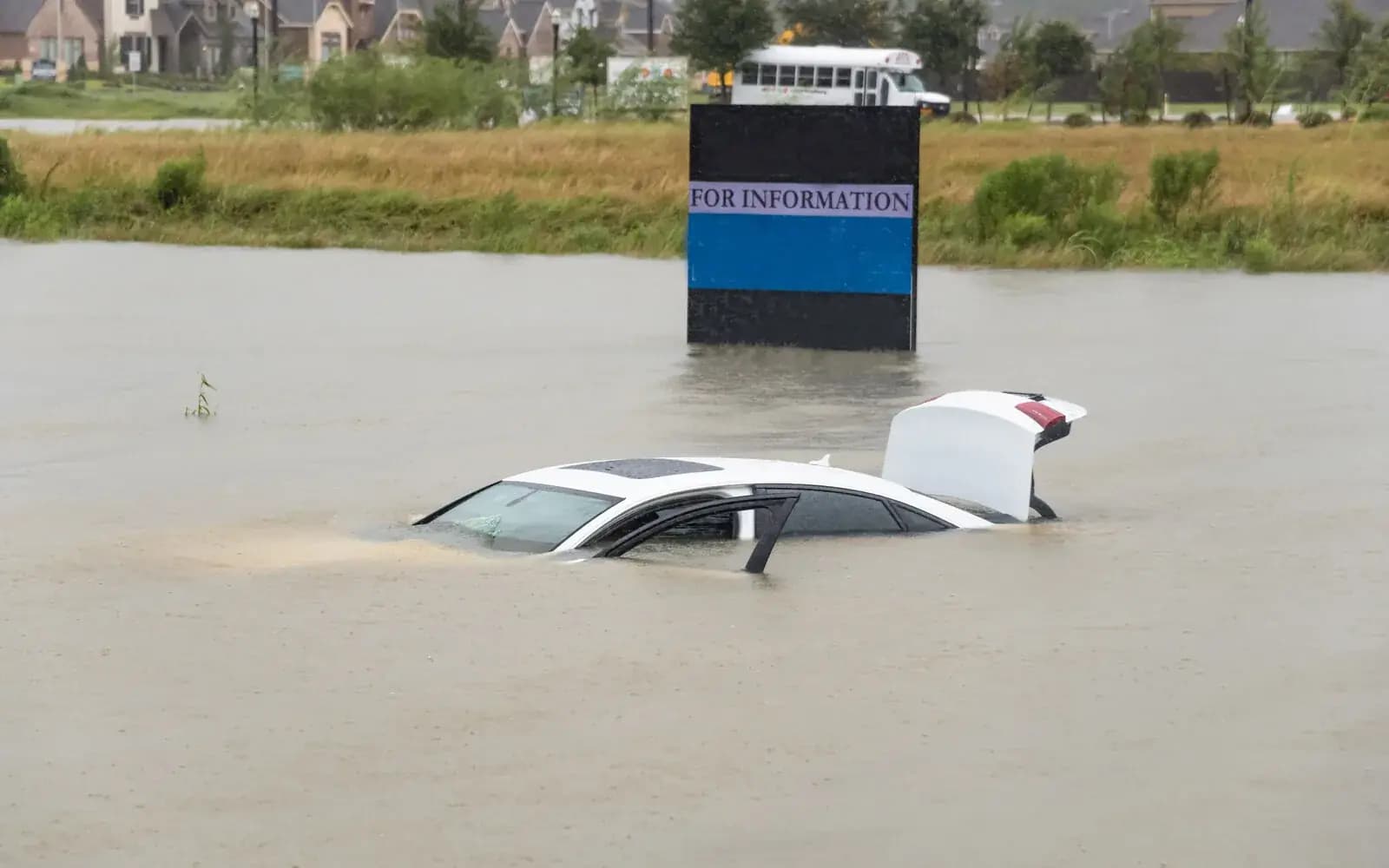
New York has no law on the books that requires you to hand a buyer a disclosure form listing your car's salvage or flood history. That surprises a lot of sellers, who assume disclosure works the way it does for houses. What the state does have is a title record that follows the car permanently once it's branded, plus a general fraud framework that punishes sellers who actively lie about known damage. Between the two, most of what a disclosure law would do already gets covered. The details below cover what's actually verified, and where New York's own guidance simply goes quiet.
What actually gets branded on a NY title
A salvage certificate (Form MV-907A) gets issued when collision, theft, vandalism, or water damage costs more than 75% of the car's pre-damage retail value, when an out-of-state salvage title comes into New York, or when a title was already marked "wreck" at the time of sale. Once a title carries certain brands — "parts only," "non-rebuildable," "non-repairable," "scrapped," or "destroyed" — it can never be examined or re-titled as clean again. A plain salvage brand can sometimes move to "rebuilt" after a DMV examination, but those five brands above are permanent. That's less a disclosure rule and more a record that doesn't go away. For what each brand actually means, see our guide to salvage, rebuilt, junk, and parts-only title brands.
Is there actually a law that makes you tell the buyer?
Not a dedicated one, as far as New York's own pages spell out. What exists instead is the Attorney General's resources on cars and auto sales, which treats knowingly misrepresenting a vehicle's condition as a deceptive practice a buyer can act on after the fact. In plain terms: nobody hands you a form that says "check this box if the car was flooded," but if you actively lie about damage you knew about and the buyer later proves it, that's the framework they'd use against you. Read that gap correctly — it's the absence of a specific statute, not permission to hide something.
Why hiding it rarely works anyway
A branded title shows up on any duplicate or replacement copy, so a buyer who orders their own paperwork later finds the same brand you had. Buyers are also increasingly checking VINs themselves before handing over money. NICB's free VINCheck tool flags flood and theft history in seconds — the same free tool New York directs people to. If the damage was serious enough to trigger a brand in the first place, it's usually serious enough to still be visible somewhere: uneven paint, a musty interior, a repair invoice, a title that doesn't quite match the car's age or mileage. Selling around the history instead of through it tends to create more problems than it avoids. A buyer who finds out after the fact, rather than before, tends to feel misled even when no specific statute was broken — and that's a harder conversation than just naming the damage upfront.
Flood damage without a salvage brand — does that still count?
Not every flooded car ends up branded. Say the repair estimate came in under the 75% threshold, or the damage was never reported to an insurer at all — the title can stay clean on paper while the car's actual history is anything but. That's the harder case, because there's no brand doing the explaining for you. Our guide to selling a flood-damaged car in NY walks through what flood damage actually looks like mechanically and what buyers tend to ask about once they suspect it.
A missing title is a different problem than a branded one, but the two often show up together on an older car. If you don't have the title in hand on top of a history question, our guide to selling a car with a lost title in NY covers that separately.
Where CashMyCarNY fits in
Cars with real history are exactly the ones some buyers walk away from. CashMyCarNY buys cars other buyers pass on — not running, wrecked, flooded, rusted, or missing parts — so a branded title isn't automatically a dead end. Describe what's actually wrong with the car when you get your instant offer, and if it matches what you described, that price doesn't move once the tow truck shows up. Towing is free anywhere in New York, folded into the offer and never billed back to you.
Quick answers
Does a salvage or flood brand ever come off a NY title? A plain salvage brand can sometimes move to "rebuilt" after a DMV examination. "Parts only," "non-rebuildable," "non-repairable," "scrapped," and "destroyed" brands are permanent and can never be re-titled as clean.
I'm selling a car near our Queens County page that took on water at some point — does the buyer just have to take my word for it? No. A buyer can run the VIN through NICB's free VINCheck tool before ever meeting you, and if the title's already branded, that shows up in the paperwork regardless of what either of you says.
What actually happens if I just don't mention an accident or flood? There's no specific NY disclosure statute to violate, but knowingly misrepresenting a car's condition falls under the Attorney General's general deceptive-practices framework, and the damage or brand tends to surface anyway once someone checks.
Do I have to show a buyer a VINCheck report before I sell? No. New York's own guidance doesn't require handing over a specific report for a private sale. It's a reasonable thing to offer, but not something the state mandates.
Can you sell a car with a salvage title? Yes. A salvage title doesn't block a sale in New York — it's paperwork that follows the car and gets handed over along with everything else, the same way a clean title would. What changes is the buyer pool and the price a salvage-branded car realistically commands, not your right to sell it.
The short version
New York doesn't have a dedicated law requiring you to disclose salvage or flood history when you sell a car privately. What it does have is permanent title branding on certain categories, plus a general fraud framework that covers actively lying about known damage. Buyers can also check a VIN themselves through NICB's free VINCheck tool, so hidden history tends to surface anyway. The simpler move is usually the safer one: describe what's actually wrong, and let the paperwork back it up. That holds whether the issue is a branded title or a flood history that never quite made it into the official record.
Get your instant offer
Free towing · No hidden fees · No obligation
Frequently Asked
Will you buy a car that failed NY inspection?
Yes. A failed inspection is one of the most common reasons people call us — and the repair estimate is often worth more than the car. We buy it whether it passed or not.
What kinds of cars do you buy?
Just about anything — running or not, wrecked, flooded, rusted out, or missing parts. We make offers on cars that other buyers pass on.
Do I need the title?
Having the title in hand is best — you'll sign it over in the seller section on the back at pickup. If your title is missing, tell us your situation and we'll walk you through what's possible.
How is my offer calculated?
We price your car based on year, make, model, and condition, plus current scrap value that week. Newer and larger vehicles are generally worth more, but there is no typical figure worth quoting — the number depends on your specific car, so get your own instant offer for the real one.
Is towing really free?
Yes — free towing means $0, no hidden fee, anywhere in New York.
How fast can you pick up?
We move quickly once your offer is accepted. Exact timing depends on your location and schedule, so we'll confirm a pickup window with you directly.
What paperwork do I need in NY?
You'll need your signed-over title, and your plates should come off before pickup. New York requires sellers to surrender plates to the DMV before canceling insurance, and the DMV issues an FS-6 receipt for the surrender — we'll walk you through it.
What happens to my plates?
Remove your plates before we arrive for pickup. You'll then surrender them to the DMV and keep the FS-6 receipt as your proof of surrender — check dmv.ny.gov for details on the process.
When and how do I get paid?
You get paid at pickup once the vehicle and paperwork are confirmed — no waiting around for a check in the mail.
We’ll Buy It.
Because when it comes down to it, junk cars are our thing. Anywhere in New York.