What Is an MV-907A Salvage Certificate?
6 min read · June 21, 2026 · Updated August 15, 2026
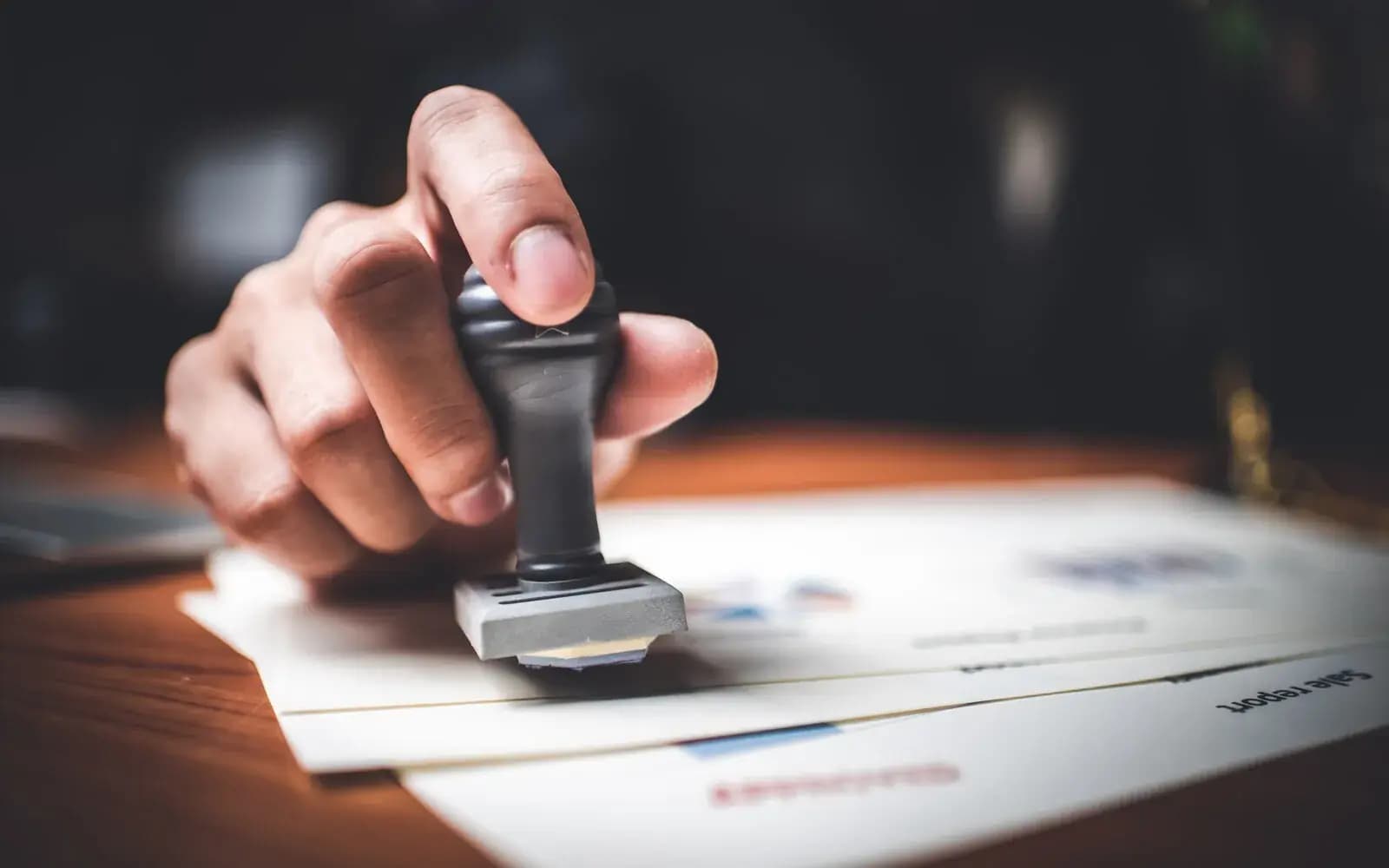
An MV-907A salvage certificate is the document New York's DMV issues when a car's damage — from a collision, theft, vandalism, or water — costs more than 75% of what the car was worth right before it got hurt to repair. It replaces the title once that threshold is crossed, and it follows the car from that point forward, through any sale or transfer. If you're holding one, or you suspect one is coming, it changes what selling the car looks like and which forms are involved, but it doesn't stop you from selling it.
When does the DMV issue one?
New York's salvage vehicle rules point to three separate triggers:
- Damage from a collision, theft, vandalism, or water where the repair cost runs more than 75% of the car's pre-damage retail value.
- An out-of-state salvage title being brought into New York.
- A New York title already marked "wreck" changing hands in a sale.
Any one of these is enough on its own. The 75% threshold is the one that catches most sellers by surprise, since it's based on repair cost versus value, not how bad the damage looks in person. A cracked bumper and a bent frame can cross that line on an older, lower-value car far more easily than the same repair would on a newer one, simply because the "pre-damage retail value" side of the comparison is so much smaller.
The first trigger is about economics — repair cost measured against value. The other two exist so a car's damage history can't quietly disappear just because it crosses a state line or changes hands informally: an out-of-state salvage title stays a salvage title once it's in New York, and a NY title already marked "wreck" carries that history into its next sale too. All three point at the same goal, keeping a car's damage history attached to its paperwork no matter how it moves.
Who has to file it, and how fast?
Whoever acquires a junk or salvage vehicle — other than through a properly endorsed MV-907A transfer copy — has to file it with the DMV within 15 business days of getting the car. This is the part that trips people up on the seller's side: if you're handing off a salvage-branded car informally, say to a family member or a private buyer rather than a licensed dismantler, the paperwork trail still has a clock running on it, even if the sale itself feels casual.
It's also worth knowing that DMV's salvage processing has, at times, run behind schedule during periods of high volume. If timing matters for your situation, confirm current turnaround directly with the DMV rather than assuming a fixed number of days or weeks — this is one of the few areas where the department's own posted timelines have shifted. The filing requirement itself exists so a car's ownership and condition stay traceable in DMV's records, even when a salvage-branded car changes hands more than once before it lands with a dismantler or a rebuilder.
Can a car with this certificate ever go back on the road?
Sometimes. A salvage certificate isn't automatically a dead end — cars with it can, in some cases, go through a DMV salvage examination and come out the other side with a rebuilt title. But some brands close that door permanently. Titles marked "parts only," "non-rebuildable," "non-repairable," "scrapped," or "destroyed" can never be examined or re-titled — once a car carries one of those five labels, it's not going back on the road, period, no matter how good the repair work is. There's also no single fee posted here for the salvage examination itself, since it depends on the specific case — treat any flat number you see quoted elsewhere as something to confirm directly with the DMV before relying on it.
Knowing which category a car falls into matters before making any plans around it. A car that could plausibly be rebuilt and one that's permanently barred from the road can look identical sitting in a driveway, but they're worth very different things and involve very different next steps.
What this means if you're selling
If the damage on your car looks like it's near or past that 75% line, expect a salvage certificate to be part of the paperwork, not a title. That's not a problem for selling — it's simply a different set of forms, and plenty of buyers deal in exactly this kind of car. It matters most when the damage came from water: selling a flood-damaged car in NY walks through how flood damage specifically lines up with this same 75% rule, since water damage is one of the more common routes to a salvage certificate in New York.
It also matters if an insurance company is the one who decided the car was a total loss. If you kept the car instead of handing it over to the insurer, totaled by insurance — can I still sell the car covers what that looks like from here, since a total-loss decision and a salvage certificate are two sides of the same 75% threshold. And once the car actually changes hands, what happens to your car after we buy it explains where it goes next.
If you're not even sure what paperwork you're holding — a title, a salvage certificate, or nothing you can find — that's common on older or inherited cars, and it's a separate problem from the salvage question itself. Selling a car with a lost title in NY is the place to start sorting that out before worrying about anything else.
Where CashMyCarNY fits in
Salvage paperwork is exactly the kind of thing CashMyCarNY walks sellers through — title transfer, plate surrender, whatever forms your specific car needs, salvage certificate included. We buy cars other buyers pass on, wrecked and flooded ones included, so an MV-907A on the car doesn't change whether we're interested, just which paperwork we walk through together. An instant offer takes about 60 seconds, towing is free anywhere in New York, and payment happens at pickup once everything lines up.
Quick answers
What is an MV-907A salvage certificate, in plain terms? It's the document the DMV issues instead of a title once damage — from a wreck, theft, vandalism, or water — costs more than 75% of what the car was worth before it happened. It replaces the title going forward, for any future sale or transfer.
Can a salvage-branded car ever be driven again? Sometimes, through a DMV salvage examination that can lead to a rebuilt title. Cars branded "parts only," "non-rebuildable," "non-repairable," "scrapped," or "destroyed" are the exception — those can never go back on the road, regardless of the repair work done.
What happens if a salvage transfer isn't filed within 15 business days? The person who acquired the car — other than through a properly endorsed MV-907A transfer copy — is the one responsible for filing with the DMV within that window. Missing it doesn't erase the requirement; it just means the paperwork is now overdue, which is worth fixing sooner rather than later.
Does the MV-907A rule apply the same way in Westchester County as the rest of New York? Yes. It's a statewide DMV rule, not a local one, so a car in Westchester County follows the same 75% threshold and filing requirements as a car anywhere else in New York.
The short version
An MV-907A salvage certificate shows up once damage — collision, theft, vandalism, or water — costs more than 75% of the car's pre-damage value, and it replaces the title from that point on. Whoever takes the car after that has 15 business days to file it, unless the transfer already came with a properly endorsed copy. Some brands, like "parts only" or "scrapped," can never go back on the road; others can, through a salvage examination. Either way, having one doesn't stop a sale — it just changes which paperwork carries it, and knowing that upfront makes the rest of the process much less confusing.
Get your instant offer
Free towing · No hidden fees · No obligation
Frequently Asked
Will you buy a car that failed NY inspection?
Yes. A failed inspection is one of the most common reasons people call us — and the repair estimate is often worth more than the car. We buy it whether it passed or not.
What kinds of cars do you buy?
Just about anything — running or not, wrecked, flooded, rusted out, or missing parts. We make offers on cars that other buyers pass on.
Do I need the title?
Having the title in hand is best — you'll sign it over in the seller section on the back at pickup. If your title is missing, tell us your situation and we'll walk you through what's possible.
How is my offer calculated?
We price your car based on year, make, model, and condition, plus current scrap value that week. Newer and larger vehicles are generally worth more, but there is no typical figure worth quoting — the number depends on your specific car, so get your own instant offer for the real one.
Is towing really free?
Yes — free towing means $0, no hidden fee, anywhere in New York.
How fast can you pick up?
We move quickly once your offer is accepted. Exact timing depends on your location and schedule, so we'll confirm a pickup window with you directly.
What paperwork do I need in NY?
You'll need your signed-over title, and your plates should come off before pickup. New York requires sellers to surrender plates to the DMV before canceling insurance, and the DMV issues an FS-6 receipt for the surrender — we'll walk you through it.
What happens to my plates?
Remove your plates before we arrive for pickup. You'll then surrender them to the DMV and keep the FS-6 receipt as your proof of surrender — check dmv.ny.gov for details on the process.
When and how do I get paid?
You get paid at pickup once the vehicle and paperwork are confirmed — no waiting around for a check in the mail.
We’ll Buy It.
Because when it comes down to it, junk cars are our thing. Anywhere in New York.