A Tree Fell on My Car: Claim It or Sell It?
9 min read · August 17, 2026 · Updated August 29, 2026
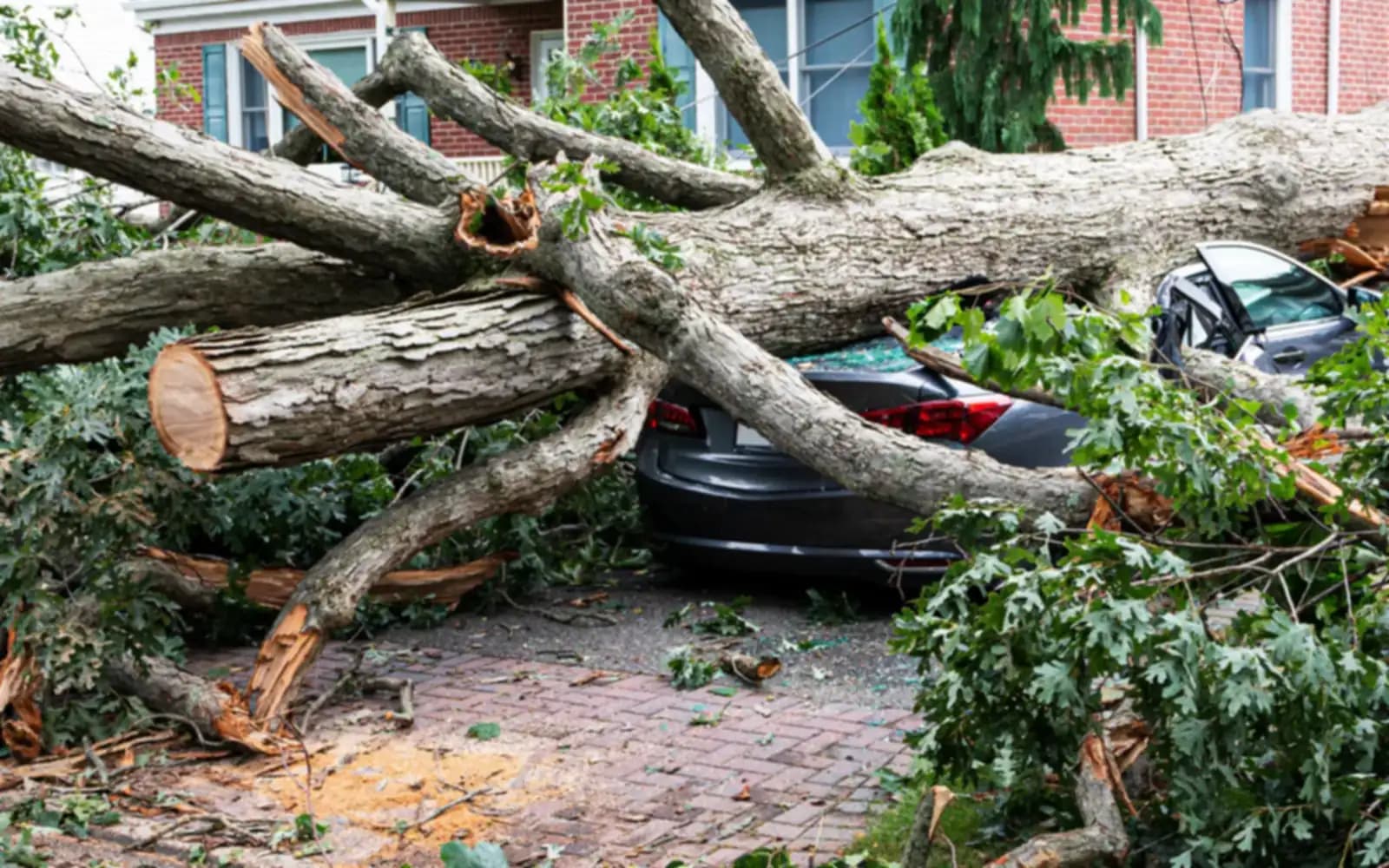
If a tree fell on your car, the coverage that typically responds is comprehensive coverage on your own auto policy, not your homeowner's policy and usually not the tree owner's insurance either. From there, the decision comes down to two numbers: what the repair actually costs, and what the car is worth once it's fixed. When the repair estimate gets close to the car's value, selling as-is often beats filing a claim and repairing it.
Which policy actually pays — your auto policy, not your homeowner's
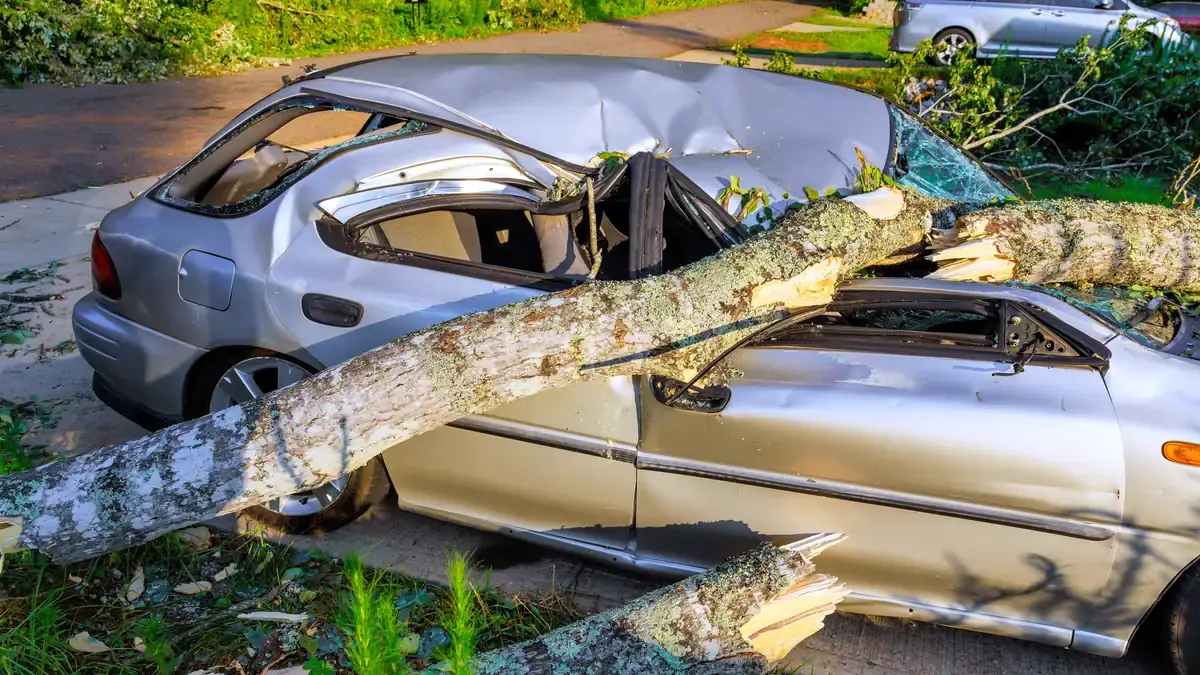
New York's Department of Financial Services describes comprehensive auto coverage as the piece that "helps pay for losses that occur if your vehicle is damaged in an accident that is not a collision," and specifically notes that it "will also normally provide coverage if a car is damaged due to falling objects, such as trees blown down by the wind." That's laid out on DFS's disaster and flood recovery page. The same coverage is described on DFS's auto insurance resource center, which lists falling or flying objects among the causes comprehensive coverage is built to handle, alongside things like fire, theft, and windstorm.
Two things follow from that. First, if you only carry liability coverage and skipped comprehensive, a tree falling on your car may not be covered by your auto policy at all — comprehensive is the specific coverage tier that applies here, and it's optional on most policies. Second, your homeowner's policy is generally built to cover your dwelling and the belongings inside it, not a vehicle parked outside — so even if the tree came down in your own yard, homeowner's coverage typically isn't the policy that responds to damage to the car itself. Coverage specifics vary by policy and insurer, so the way to know for certain is to check your own declarations page or call your agent — this describes the general pattern, not a guarantee about your particular policy.
Does it matter whose tree it was?
Less than most people expect, at least for getting your own car fixed. Comprehensive coverage is described by DFS as paying "without regard to fault" for the listed causes of loss, which is the same no-fault structure that applies to a windstorm or an animal strike — the insurer pays for the damage to your car regardless of who owned the tree. That means whether the tree was on your property, a neighbor's, or city land generally doesn't change which policy handles your car's damage in the first place.
Where ownership can matter is your deductible and, potentially, a separate claim against whoever's tree it was. If you paid a comprehensive deductible to get your car fixed and you believe the tree came down because of negligence — say, a neighbor was told repeatedly that a dead tree needed to come down and didn't act — you may be able to pursue that person's homeowner liability coverage for your deductible or other losses. That's a fact-specific claim that typically requires showing negligence rather than just proving the tree fell, and it's a different process from your own comprehensive claim. If you're weighing that route, DFS's consumer complaint page is where you'd go if a dispute over who pays needs to be escalated, though the more common path is simply working it out between the two insurers involved.
In practice, most tree-on-car claims never get to the negligence question at all. A healthy tree that comes down in a genuine windstorm isn't anyone's fault in a legal sense, and pursuing a neighbor over an act-of-weather event usually goes nowhere even if it feels like it should. The negligence route realistically applies to a narrower set of cases — a tree that was visibly dead, previously flagged by an inspector or arborist, or already under a removal order — where there's a paper trail showing someone knew about the risk and didn't act on it.
When does the repair estimate cross into total-loss territory?
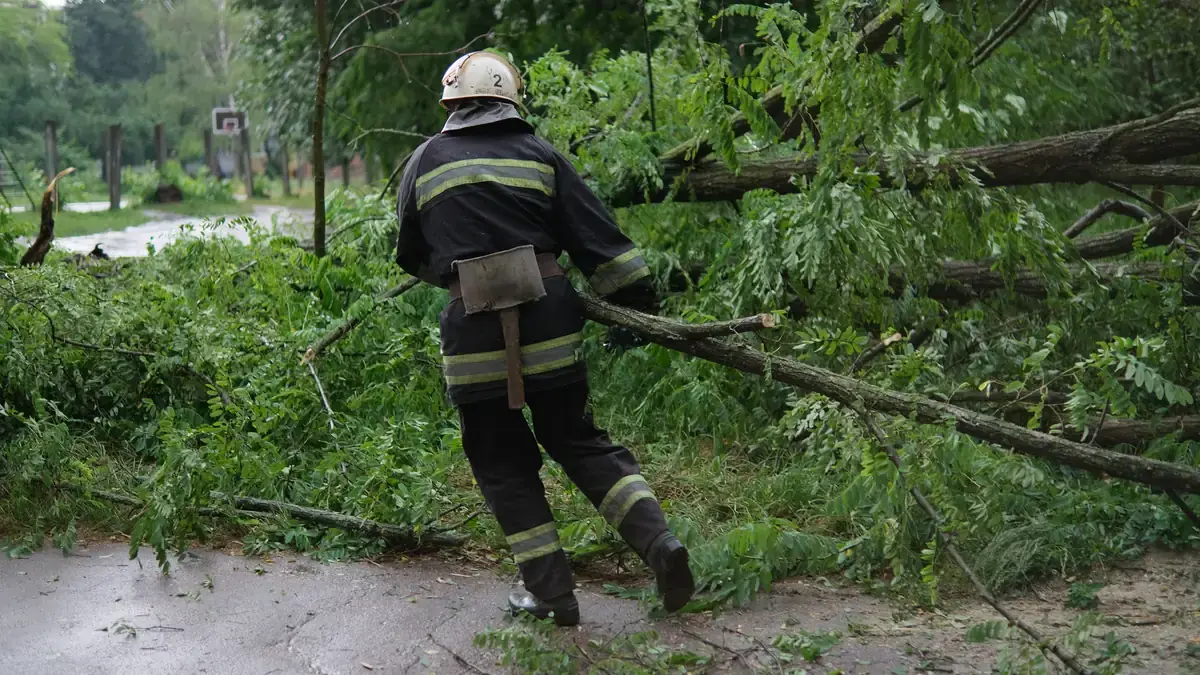
New York treats a car as a total loss once repair costs exceed 75% of its retail value at the time of the loss — that's the same threshold used for the MV-907A salvage certificate and it's described on the DMV's salvage vehicle page. A tree can cross that line more easily than people expect, because the damage that actually runs up a repair bill — a crushed roof, a shattered windshield and frame distortion from the weight, a caved-in hood — hits exactly the structural areas that are expensive to fix, not just cosmetic dents.
That threshold interacts with the car's value in a way that catches older cars especially hard. A ten-year-old car with a modest pre-damage value needs comparatively little dollar damage to cross 75% of that number, while a newer car with more value built in can absorb a bigger repair bill before it tips into total-loss territory. Two cars with visibly similar tree damage — same crushed roof, same cracked windshield — can land on opposite sides of that line purely because of what each one was worth beforehand.
DFS also notes that under comprehensive coverage, "you will not be paid more than the actual cash value of your car ... at the time of an accident, which takes depreciation into account" — meaning even a paid claim reflects the car's depreciated worth, not what it would cost to replace it new. That's worth knowing going in, since the settlement number on an older car is often smaller than people expect before they see it.
What if the car isn't worth repairing?
If the estimate comes back near or past that 75% line, or even meaningfully below it on a car that already had other issues, repairing it isn't the only option — and often isn't the better one. How to get the most money from insurance for a totaled car covers what actually moves a settlement number if the insurer declares a total loss. If you decide to keep the car instead of handing it to the insurer, keeping your totaled car as owner-retained salvage explains what that path looks like and how selling it later works under New York's salvage-title rules.
There's also a version of this that never involves insurance at all: an older car with a repair estimate that's real money but doesn't formally cross the total-loss threshold. In that case, filing a claim, paying the deductible, waiting for the shop, and driving a car that's now had a major roof or frame repair is one option — selling the car as-is for what it's worth in its current condition is the other. What a junk car is actually worth explains how that number gets built, and it's often a faster, simpler outcome than the claim-and-repair path, especially on a car that wasn't worth a lot to begin with.
Storms and heavy snow load — why this happens so often in New York
Tree-on-car claims cluster around a few predictable New York conditions: summer thunderstorms and downed limbs, the remnants of hurricanes and tropical storms working up the coast, and — less obviously — heavy wet snow loading up bare branches in late fall or early winter before leaves have fully dropped, or piling onto already-weakened limbs after an ice storm. None of that changes which coverage applies; a tree that comes down from wind is treated the same way as one that comes down from snow weight, since both fall under the same "falling objects" language in comprehensive coverage. What it does mean is that timing matters for street parking — a car parked under an aging tree during a nor'easter watch is a genuinely higher-risk spot than the same car parked there on a calm day, for whatever that's worth when you're choosing where to leave it overnight.
Filing the claim — what to do first
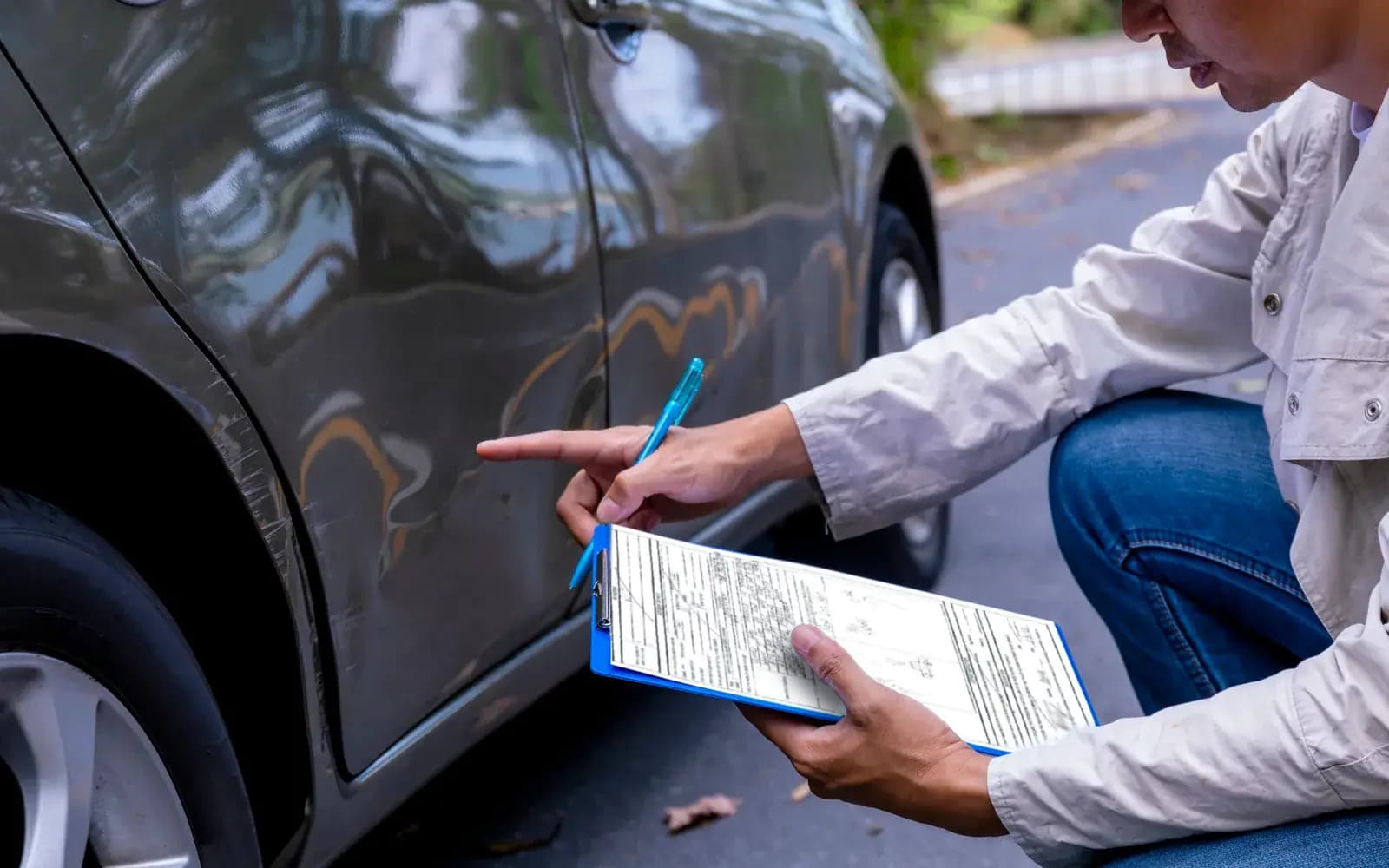
Photograph the car and the tree before anything gets moved, note the date and rough time if you can, and report it to your insurer as soon as reasonably possible — most policies have reporting expectations, and delay can complicate the claim. If a neighbor's tree was involved, get their information and note it in your claim, even if you expect your own comprehensive coverage to be the one that pays. From there, an adjuster inspects the car and produces the repair estimate that determines whether you're looking at a repair, a total loss, or a decision to sell as-is instead.
Filing the claim itself doesn't require the car to be drivable, and it doesn't require you to have already decided what you'll do with the car afterward. You can open the claim, get the adjuster's number, and then weigh repair against total loss against a private sale once you actually have a figure in hand — nothing about reporting the damage locks you into a specific outcome. If the process stalls because a claim is still open and you're weighing whether you can sell the car before it settles, selling a car with an open insurance claim covers that separate question directly, since it comes up more often than people expect once a tree claim drags into a second or third week.
Where CashMyCarNY fits in
If the estimate lands anywhere near total-loss territory, or the car just isn't worth putting through a claim and a repair, CashMyCarNY buys cars in exactly this condition — tree damage, crushed roofs, cracked windshields, the works. Getting an instant offer takes about 60 seconds, towing is free anywhere in New York and built into the offer, and payment happens at pickup, so there's a real number to compare against a claim-and-repair decision before committing to either one.
Quick answers
A tree fell on my car — who pays for it? Usually your own auto policy, specifically comprehensive coverage, which DFS describes as normally covering damage from falling objects like wind-blown trees. Your homeowner's policy typically doesn't cover the car itself, and whose tree it was generally doesn't change which policy handles your vehicle's damage.
Does it matter if the tree was on my neighbor's property? Not usually for getting your own car fixed — comprehensive coverage pays without regard to fault. It can matter if you want to pursue your deductible or other losses against the neighbor, which typically requires showing negligence rather than just that the tree fell.
Will my car be declared a total loss? It depends on the repair estimate against the car's pre-damage value. New York treats a car as a total loss once repairs exceed 75% of that value, per the DMV's salvage vehicle rules — tree damage to a roof or frame can reach that threshold faster than the damage looks from the outside.
Is it worth filing a claim on an older car with tree damage? Not always. On a lower-value car, the repair cost can approach or exceed what the car's worth, and even when it doesn't, paying a deductible and waiting for repairs on an old car can cost more in time and hassle than selling it as-is.
Does homeowner's insurance ever apply to a car damaged by a tree? Generally no — homeowner's policies are built to cover the dwelling and its contents, not vehicles parked outside. Coverage specifics vary by insurer and policy, so confirm directly with your agent rather than assuming either way.
Does this happen more in some parts of New York than others? Tree-on-car damage tracks storm exposure and tree cover more than any single region, but areas with heavy tree canopy and street parking — including much of Westchester County — see it often during summer storms and winter snow load. The claim process itself doesn't change by location.
Get your instant offer
Free towing · No hidden fees · No obligation

Frequently Asked
Will you buy a car that failed NY inspection?
Yes. A failed inspection is one of the most common reasons people call us — and the repair estimate is often worth more than the car. We buy it whether it passed or not.
What kinds of cars do you buy?
Just about anything — running or not, wrecked, flooded, rusted out, or missing parts. We make offers on cars that other buyers pass on.
Do I need the title?
Having the title in hand is best — you'll sign it over in the seller section on the back at pickup. If your title is missing, tell us your situation and we'll walk you through what's possible.
How is my offer calculated?
We price your car based on year, make, model, and condition, plus current scrap value that week. Newer and larger vehicles are generally worth more, but there is no typical figure worth quoting — the number depends on your specific car, so get your own instant offer for the real one.
Is towing really free?
Yes — free towing means $0, no hidden fee, anywhere in New York.
How fast can you pick up?
We move quickly once your offer is accepted. Exact timing depends on your location and schedule, so we'll confirm a pickup window with you directly.
What paperwork do I need in NY?
You'll need your signed-over title, and your plates should come off before pickup. New York requires sellers to surrender plates to the DMV before canceling insurance, and the DMV issues an FS-6 receipt for the surrender — we'll walk you through it.
What happens to my plates?
Remove your plates before we arrive for pickup. You'll then surrender them to the DMV and keep the FS-6 receipt as your proof of surrender — check dmv.ny.gov for details on the process.
When and how do I get paid?
You get paid at pickup once the vehicle and paperwork are confirmed — no waiting around for a check in the mail.
We’ll Buy It.
Because when it comes down to it, junk cars are our thing. Anywhere in New York.