How Much Are Junk Cars Worth?
8 min read · July 10, 2026 · Updated September 7, 2026
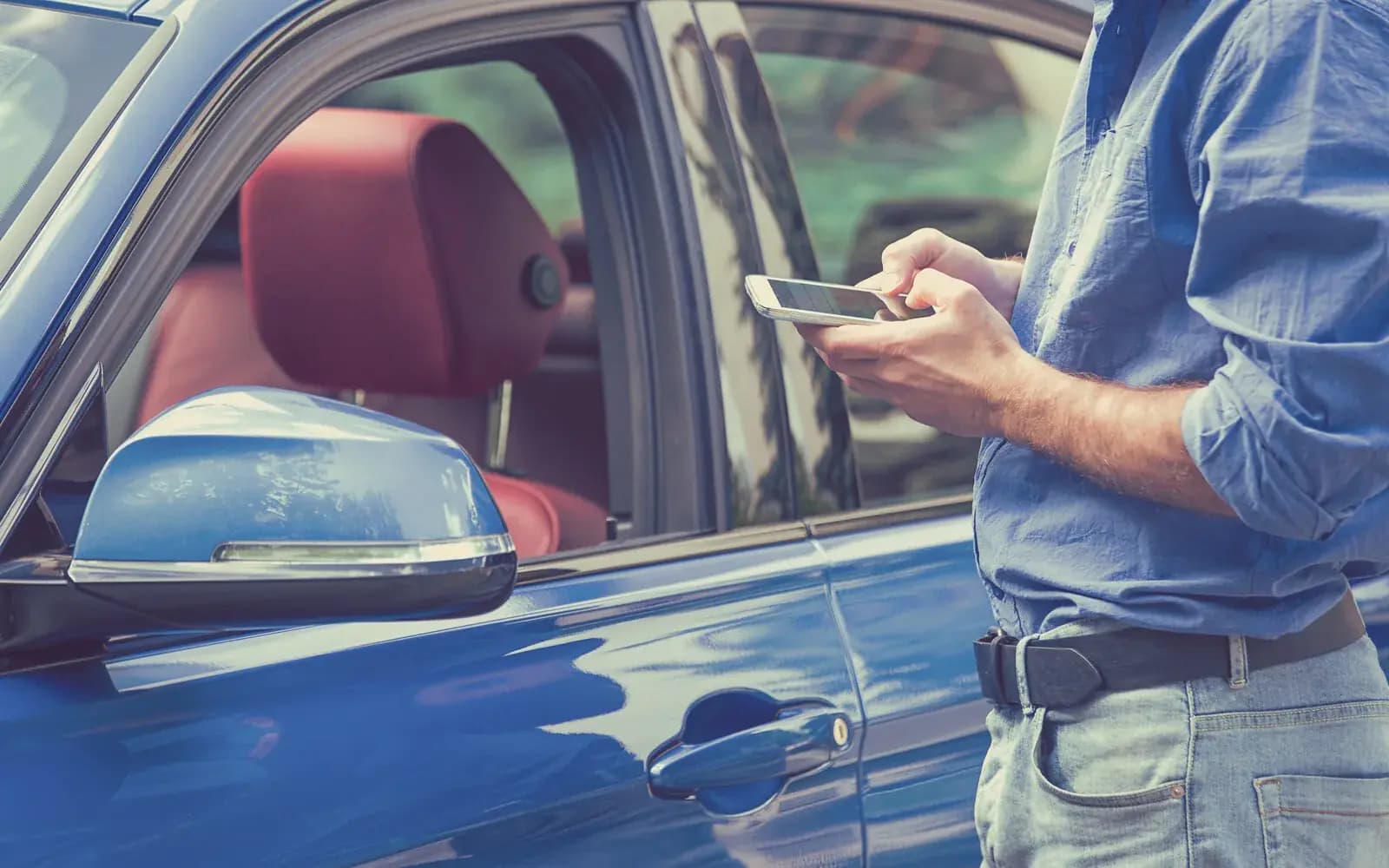
"How much are junk cars worth?" is the first question almost everyone asks, and it deserves a straight answer. Here is the straight answer: nobody can tell you what your specific car is worth without knowing what it is, where it is, and what condition it is in — and any buyer who quotes you a figure before asking those things is guessing, or setting up to change the number later.
That is why you will not find a dollar amount or a price range anywhere in this article. What you will find is exactly what goes into the number, in the order it matters, so that when an offer does land in front of you, you can tell whether it makes sense.
"Junk car value" and "scrap value" are the same question
People search for this in two different vocabularies. Some ask what a junk car is worth; others ask about the scrap value of a car, or what a scrap car is worth. In practice these describe the same transaction, and the same inputs decide the answer.
The distinction people think they are drawing — that "scrap" means metal-by-the-pound and "junk car" means something more — mostly is not real. Every junk car sale starts from the metal and adds from there. A car with a working engine, an intact catalytic converter and four good tires is worth more than the same car stripped, but both numbers are built from the same starting point. Understanding that is the difference between reading an offer and guessing at one.
The four inputs that build the number
Weight is the floor. A vehicle's value starts with how much steel it contains, which is why larger vehicles — trucks, full-size SUVs, older body-on-frame sedans — generally start higher than compact cars. This is the most mechanical part of the whole equation, and it is the part least open to argument. If you want to see how curb weight actually converts into dollars, the per-ton math walks through it step by step.
The scrap market sets the multiplier. That steel trades on a real commodity market that moves week to week. When scrap prices are strong, offers across the board are stronger; when they soften, offers soften with them. No buyer controls this and no amount of negotiating changes it — it is a market condition, not a tactic. How scrap metal prices move covers why the number you were quoted last spring may not be the number available today.
Completeness decides how much of that weight counts. A car missing its engine, transmission, doors or wheels does not contain the material a complete one does. Buyers are not penalizing you for the missing parts as some kind of fee — the car is simply a smaller pile of recoverable material than it looks like sitting in the driveway.
High-value parts are the biggest single swing. The catalytic converter is the one that matters most, because it contains platinum, palladium and rhodium — metals the U.S. Geological Survey tracks as globally traded commodities in their own right. A car with its converter intact is worth meaningfully more than the same car without one, which is exactly why converter theft became common enough for New York to pass a 2022 law tightening recordkeeping on their sale — which is also what governs selling a converter separately if you are considering it. If yours was cut off, say so up front — it changes the number, and discovering it at pickup is how disputes start. How much of the value is the converter digs into that specific piece.
What moves the number from there
Those four inputs get you most of the way. Several smaller factors adjust it up or down.
Whether it runs. A car that starts and drives is worth more than one that does not — but a car that does not run is still worth something, and this is worth saying plainly because a lot of people assume otherwise and let a dead car sit for years. Junk car buyers exist precisely because non-running vehicles have value. Can you sell a car that doesn't run covers what changes when it will not start.
Wheels, tires, and a working battery. Smaller than weight or the converter, but real, and they work in both directions. A working engine, newer battery or good tires are additive on top of the baseline; four flats and no battery pull the other way.
Age and mileage. These matter less than people expect at this end of the market. A twenty-year-old car and a ten-year-old car of similar size and completeness may land closer together than their model years suggest, because the value is coming from material and recoverable parts rather than from resale as transportation. Age matters more indirectly: older cars are likelier to be missing pieces and to have rust that has eaten into the structure.
Where the car is sitting. Towing has a real cost, and that cost lives inside the offer somewhere. When towing is included, it has already been accounted for in the number you were quoted — it is not added back later.
What a scrap value calculator can and cannot tell you
Search for this and you will find plenty of scrap value calculators. They are useful for one thing: showing you the shape of the answer, so you understand that weight and the scrap market drive it.
What they cannot do is price your car. A calculator does not know whether your converter is present, whether the transmission is still in it, whether the body is rusted through, or what a tow to your address costs. It applies an average to a category. Your car is not a category.
This is the same gap that makes retail valuation tools misleading here — they are built to price cars that will be resold as cars, which is a different question entirely. Why a KBB-style number won't work explains why those figures and junk car offers are answering different questions.
The practical version of a calculator is an offer built from your actual car's details, which takes about the same amount of typing.
Why two buyers quote differently for the same car
If you collect a few quotes, they will not match, and the spread can be wide enough to be confusing.
Some of that is legitimate. Buyers have different outlets for parts, different scrap contracts, different distances to travel. But some of it is not: quoting high sight-unseen to win the call, then revising down once the truck is in your driveway, is a common enough pattern to have a name. Why buyers quote wildly different prices covers how to tell the two apart, and the short version is to get the number in writing with the car's condition described in it.
What is different about selling in New York
The inputs above are universal. Three things are local.
The first is towing distance, which is why coverage matters more than the headline number. We buy in all 62 New York counties with towing included in the offer, so the distance question does not come back to you as a deduction — a car in Staten Island and a car upstate are handled the same way. The locations map lists every county we cover.
The second is what New York winters do to the metal. Road salt attacks the frame and floor pans from underneath, and structural rust reduces how much sound material is actually there — so two identical model years can price differently depending on how many salted winters they sat through. Road salt, rust and your car's lifespan covers what to look for.
Paperwork is the third. It does not change what the car is worth, but it changes how smoothly the sale goes: having the title in hand widens your options, and not having it narrows them without necessarily closing them off.
How to get an actual number
Describe the car — year, make, model, whether it runs, what is missing, and where it is — and the same factors above get applied to your specific vehicle rather than to an average. A free instant offer takes about a minute, includes towing anywhere in New York, and gives you a written figure you can compare against anything else you have been quoted.
Quick answers
How much are junk cars worth? There is no honest single figure, because the number is assembled from curb weight, the scrap steel market that week, how complete the vehicle is, and whether high-value parts like the catalytic converter are still on it. A larger, complete car with its converter intact sits at the top of the range; a stripped compact sits at the bottom. Any buyer quoting a universal number before hearing those details is guessing.
How much is my junk car worth? The only accurate answer comes from your specific car. The fastest way to find out is to describe it and get a written offer, which applies the factors above to your vehicle rather than to a category average — and costs nothing if you decide not to sell.
How much is a scrap car worth compared to a junk car? They are the same question asked two ways. Both start from recoverable material and add value for intact high-value parts. There is no separate, higher "junk car" price tier that a scrap price is missing.
How much do you get for scrapping a car with no catalytic converter? Less than the same car with one, and the gap is usually the single largest condition-driven difference in the whole quote, because the converter contains platinum-group metals traded as commodities. Tell the buyer up front rather than letting it surface at pickup.
Can I get anything for a car that does not run? Yes. Non-running cars are normal inventory for a junk car buyer — the value is in material and recoverable parts, not in whether it can be driven. What changes is that towing stops being a convenience and becomes the thing that makes the sale possible.
Does my location in New York change what my car is worth? Towing distance is a real cost inside any offer, so it can. When towing is included in the quote, that cost is already accounted for rather than deducted later — which is why a car in a farther-out part of the state is handled the same way as one in the city.
The short version
A junk car's value starts with what it weighs and what the scrap market is paying that week, then moves up or down based on how complete the car is and whether the high-value parts are still attached. The catalytic converter is the biggest single swing. Whether the car runs matters less than most people assume, and a dead car is still worth selling rather than storing.
Nobody can give you a real figure without those details, and the ones who try are either guessing or planning to revise. Describe your car honestly, get the number in writing, and compare it against anything else you have been offered.
Get your instant offer
Free towing · No hidden fees · No obligation
Frequently Asked
Will you buy a car that failed NY inspection?
Yes. A failed inspection is one of the most common reasons people call us — and the repair estimate is often worth more than the car. We buy it whether it passed or not.
What kinds of cars do you buy?
Just about anything — running or not, wrecked, flooded, rusted out, or missing parts. We make offers on cars that other buyers pass on.
Do I need the title?
Having the title in hand is best — you'll sign it over in the seller section on the back at pickup. If your title is missing, tell us your situation and we'll walk you through what's possible.
How is my offer calculated?
We price your car based on year, make, model, and condition, plus current scrap value that week. Newer and larger vehicles are generally worth more, but there is no typical figure worth quoting — the number depends on your specific car, so get your own instant offer for the real one.
Is towing really free?
Yes — free towing means $0, no hidden fee, anywhere in New York.
How fast can you pick up?
We move quickly once your offer is accepted. Exact timing depends on your location and schedule, so we'll confirm a pickup window with you directly.
What paperwork do I need in NY?
You'll need your signed-over title, and your plates should come off before pickup. New York requires sellers to surrender plates to the DMV before canceling insurance, and the DMV issues an FS-6 receipt for the surrender — we'll walk you through it.
What happens to my plates?
Remove your plates before we arrive for pickup. You'll then surrender them to the DMV and keep the FS-6 receipt as your proof of surrender — check dmv.ny.gov for details on the process.
When and how do I get paid?
You get paid at pickup once the vehicle and paperwork are confirmed — no waiting around for a check in the mail.
We’ll Buy It.
Because when it comes down to it, junk cars are our thing. Anywhere in New York.