How to Get the Most Money From Insurance for a Totaled Car
7 min read · August 15, 2026
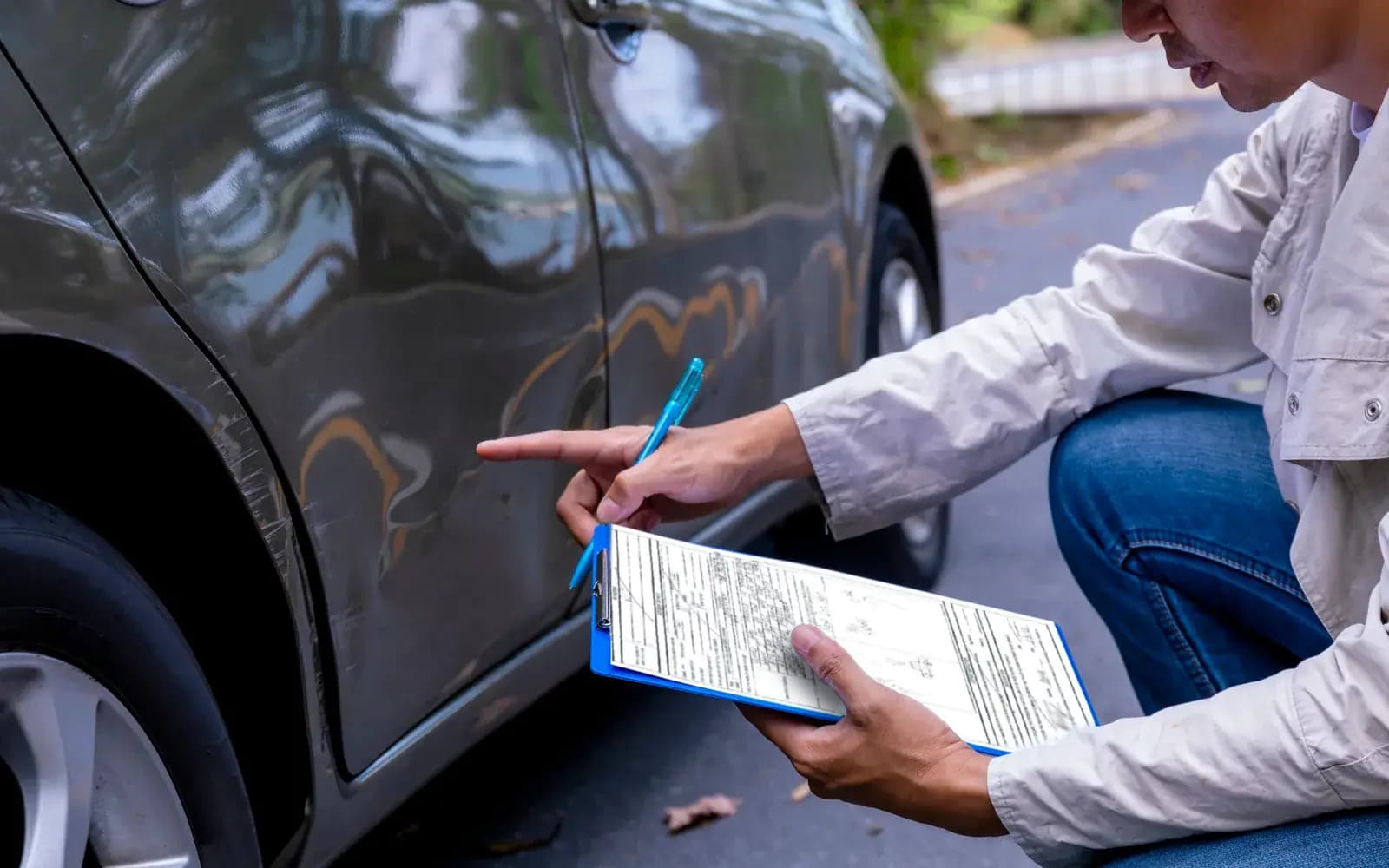
When an insurer totals your car, the number in that first letter is the company's opening position, not a verdict. It comes out of a valuation process that runs on data about your car — and data about your car can be incomplete, out of date, or simply wrong. Nothing here is about arguing harder. It's about giving the adjuster better information than the file currently contains, and knowing what to do when better information doesn't move the number.
One thing to be clear about first: this is a claim about your own car's value. It is not the same as a No-Fault claim, which covers injuries and has its own arbitration process in New York. The steps below are about the physical-damage side — the check for the car itself.
What "actual cash value" actually means
New York insurers settle a totaled car at its actual cash value — what the vehicle was worth immediately before the damage, not what you paid for it, not what you still owe on it, and not what it would cost to replace with something newer. New York's Department of Financial Services describes that same ACV standard in its auto insurance guidance for consumers, including the gap between ACV and a loan balance that gap policies exist to cover.
That definition is why the payout can feel low even when the process was followed correctly. ACV is a used-car number for a used car. But it is a number built from specific inputs, and those inputs are where your leverage is.
Read the valuation report before you respond
Ask for the valuation report the offer is based on. You are entitled to understand how the figure was reached, and the report is where mistakes are visible. Insurers typically build ACV from comparable vehicles — similar year, make, model, mileage and trim, sold or listed near you — with adjustments applied.
Go through it looking for four specific things:
- Wrong trim or options. A base-model comparable used to value a higher trim is the single most common error worth real money. Check that the report's vehicle matches yours on engine, drivetrain, and factory options.
- Wrong mileage. If the report assumes higher mileage than your car actually had, the value drops for no reason.
- Comparables that aren't comparable. Cars from a much cheaper market, in worse condition, or with salvage history in their past are not fair matches for a clean-titled car.
- Condition adjustments you can disprove. Deductions for worn tires or a failing component are reversible if you have receipts showing otherwise.
If the report is right and the number is still disappointing, that is useful to know too — it means your effort belongs elsewhere, like the salvage-retention math further down.
Documentation is the whole game
An adjuster cannot credit what they cannot see. What tends to actually move a number:
- Service records, especially recent major work. A transmission replaced six months ago, a new set of tires, a timing belt done on schedule — these are condition evidence, not sentiment.
- Receipts for recent parts and repairs. Dated, itemized, and tied to your VIN if possible.
- Photos of the car before the damage, showing genuine condition inside and out.
- Your own comparables. Current listings for the same year, trim, and mileage within a reasonable distance of you, saved with screenshots and links. Listings from a dealer near you carry more weight than a private ad three states away.
- Anything unusual about the car that a database would miss — a factory option package, a documented low-mileage history, aftermarket work with receipts.
Send it as one organized package with a short cover note that says what you are asking for and why. A pile of attachments with no explanation gets skimmed. A short, specific summary with evidence attached gets read.
Where the extra money hides outside the offer itself
Two things are easy to leave on the table because they are not part of the headline number.
Your deductible. If another driver was at fault and their insurer ends up paying, your deductible should come back to you through subrogation once that is resolved. Ask how it will be handled rather than assuming it is gone.
Sales tax and fees. Ask specifically how your settlement treats the taxes and registration-type fees involved in replacing the car. Whether and how those apply depends on your policy and the circumstances, so ask the adjuster to spell it out in writing rather than taking a lump figure at face value.
Keeping the car can be worth more than the extra you're arguing for
There is a second path that people forget while negotiating: you can often keep the car. In an owner-retained salvage arrangement, the insurer pays the settlement minus what the salvage is worth to them, and you keep the vehicle — which you can then sell yourself.
Whether that beats a slightly higher settlement depends entirely on what the car is actually worth to a buyer in its damaged state. That is a real number you can find out before deciding, and it is worth comparing against the salvage deduction the insurer is proposing. The mechanics of that path, including the paperwork it puts on the car, are covered in can you buy back a totaled car in NY, and the brand that ends up on the title is explained in what an MV-907A salvage certificate is.
When the number still won't move
If you have sent documentation and the insurer will not adjust, you have real options and they escalate in a sensible order.
Check your policy for an appraisal provision. Many auto policies include a clause for resolving a disagreement over the amount of a loss: each side hires an appraiser, and the two select an umpire if they cannot agree. Read your own policy language, since whether it applies and how it works is governed by that document, and appraisal usually settles the amount of the loss rather than whether coverage exists at all.
File a complaint with the Department of Financial Services. DFS regulates insurers operating in New York and takes consumer complaints about claim handling directly, through its complaint process. A complaint creates a record and requires a response from the company.
Consult a lawyer, or bring an action. For a large enough gap, this is a real option. DFS's consumer guidance lists filing a complaint and court action among the routes available when you disagree with how a claim was handled.
Don't undercut yourself while the claim is open
A few timing mistakes cost people money for reasons unrelated to the negotiation itself.
Do not cancel your insurance the moment the letter arrives. In New York, plates are surrendered to the DMV before insurance is canceled — do it the other way around and a lapse penalty starts running, as the DMV sets out. The order and the reasons are laid out in cancel insurance or surrender plates first.
Do not sign a release before you understand what it settles. And do not assume a car that still drives is not totaled — that call is about repair cost against value, not about whether the car starts.
If there is still a loan on the car, the payout goes toward the lender's interest first, and what happens to any shortfall is its own conversation — covered in totaled car, still owe money.
Quick answers on total-loss settlements
How do I get more money from insurance for a totaled car? Ask for the valuation report, check it for wrong trim, wrong mileage, or unfair comparables, and send documented evidence of your car's actual condition — service records, receipts, photos, and current local listings for the same year and trim. Better inputs are what move an ACV number; volume of argument is not.
Can I dispute a total-loss offer in New York? Yes. Start with the adjuster and your documentation, check your policy for an appraisal provision that covers disputes over the amount of a loss, and if it still is not resolved you can file a complaint with the Department of Financial Services, which regulates insurers operating in New York.
How much will insurance pay for my totaled car? Its actual cash value — what the car was worth just before the damage — not what you paid, not the balance on your loan, and not the price of a replacement. DFS explains that ACV standard and the loan-balance gap that gap policies are designed to cover.
Is it better to keep a totaled car or take the full settlement? It depends on what the damaged car is genuinely worth to a buyer versus the salvage amount the insurer deducts for letting you keep it. Find out what the car would actually sell for in its current condition, then compare — do not guess at it.
Does the process work differently upstate? No. Total-loss valuation and the DFS complaint route are statewide, so a claim in Onondaga County follows the same process as one in New York City. What varies is the local comparable market your valuation is drawn from.
The short version
The first offer reflects the information in the file. Get the valuation report, correct what is wrong in it, and add what is missing with dated evidence. Ask how your deductible and taxes are being handled. Compare keeping the car against the salvage deduction rather than assuming the settlement is the only number available. And if documented evidence still does not move it, use the appraisal provision in your policy or file with DFS — those exist precisely because first offers are not final ones.
Once the claim is settled and the car is yours to dispose of, a free instant offer tells you what it is worth in its current condition, with free towing anywhere in New York.
Get your instant offer
Free towing · No hidden fees · No obligation

Frequently Asked
Will you buy a car that failed NY inspection?
Yes. A failed inspection is one of the most common reasons people call us — and the repair estimate is often worth more than the car. We buy it whether it passed or not.
What kinds of cars do you buy?
Just about anything — running or not, wrecked, flooded, rusted out, or missing parts. We make offers on cars that other buyers pass on.
Do I need the title?
Having the title in hand is best — you'll sign it over in the seller section on the back at pickup. If your title is missing, tell us your situation and we'll walk you through what's possible.
How is my offer calculated?
We price your car based on year, make, model, and condition, plus current scrap value that week. Newer and larger vehicles are generally worth more, but there is no typical figure worth quoting — the number depends on your specific car, so get your own instant offer for the real one.
Is towing really free?
Yes — free towing means $0, no hidden fee, anywhere in New York.
How fast can you pick up?
We move quickly once your offer is accepted. Exact timing depends on your location and schedule, so we'll confirm a pickup window with you directly.
What paperwork do I need in NY?
You'll need your signed-over title, and your plates should come off before pickup. New York requires sellers to surrender plates to the DMV before canceling insurance, and the DMV issues an FS-6 receipt for the surrender — we'll walk you through it.
What happens to my plates?
Remove your plates before we arrive for pickup. You'll then surrender them to the DMV and keep the FS-6 receipt as your proof of surrender — check dmv.ny.gov for details on the process.
When and how do I get paid?
You get paid at pickup once the vehicle and paperwork are confirmed — no waiting around for a check in the mail.
We’ll Buy It.
Because when it comes down to it, junk cars are our thing. Anywhere in New York.