Diminished Value Claims in New York
9 min read · August 17, 2026 · Updated August 29, 2026
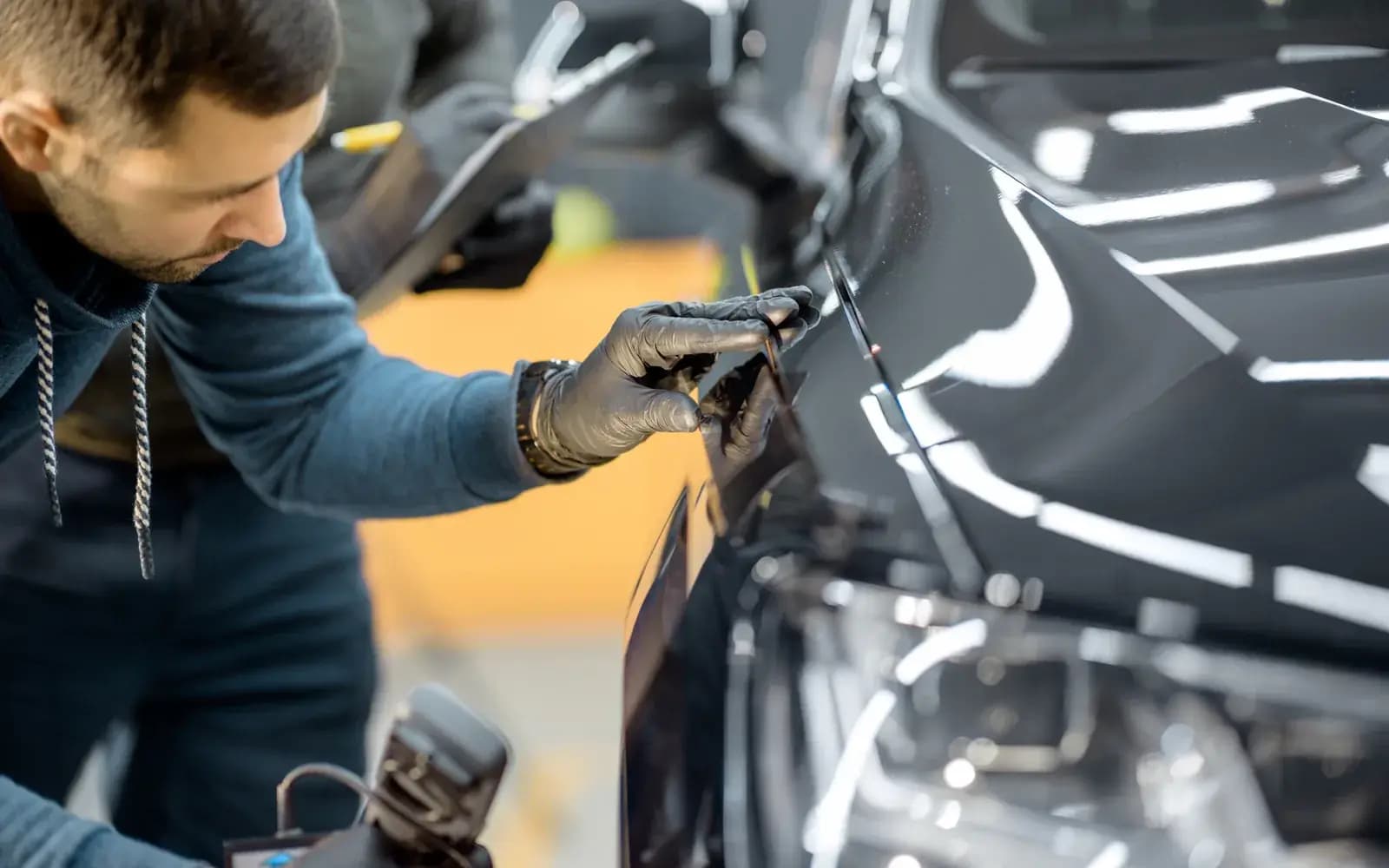
Diminished value is the drop in a car's resale worth that survives even after a repair fixes the damage — buyers and appraisers still discount a car with an accident on its history, even a properly repaired one. A diminished value claim is a request that whoever's responsible for the damage cover that gap, not just the repair bill. In New York, whether that claim is worth pursuing depends heavily on the car's age and value, and on an older or lower-value car, it often isn't.
What is diminished value, exactly?
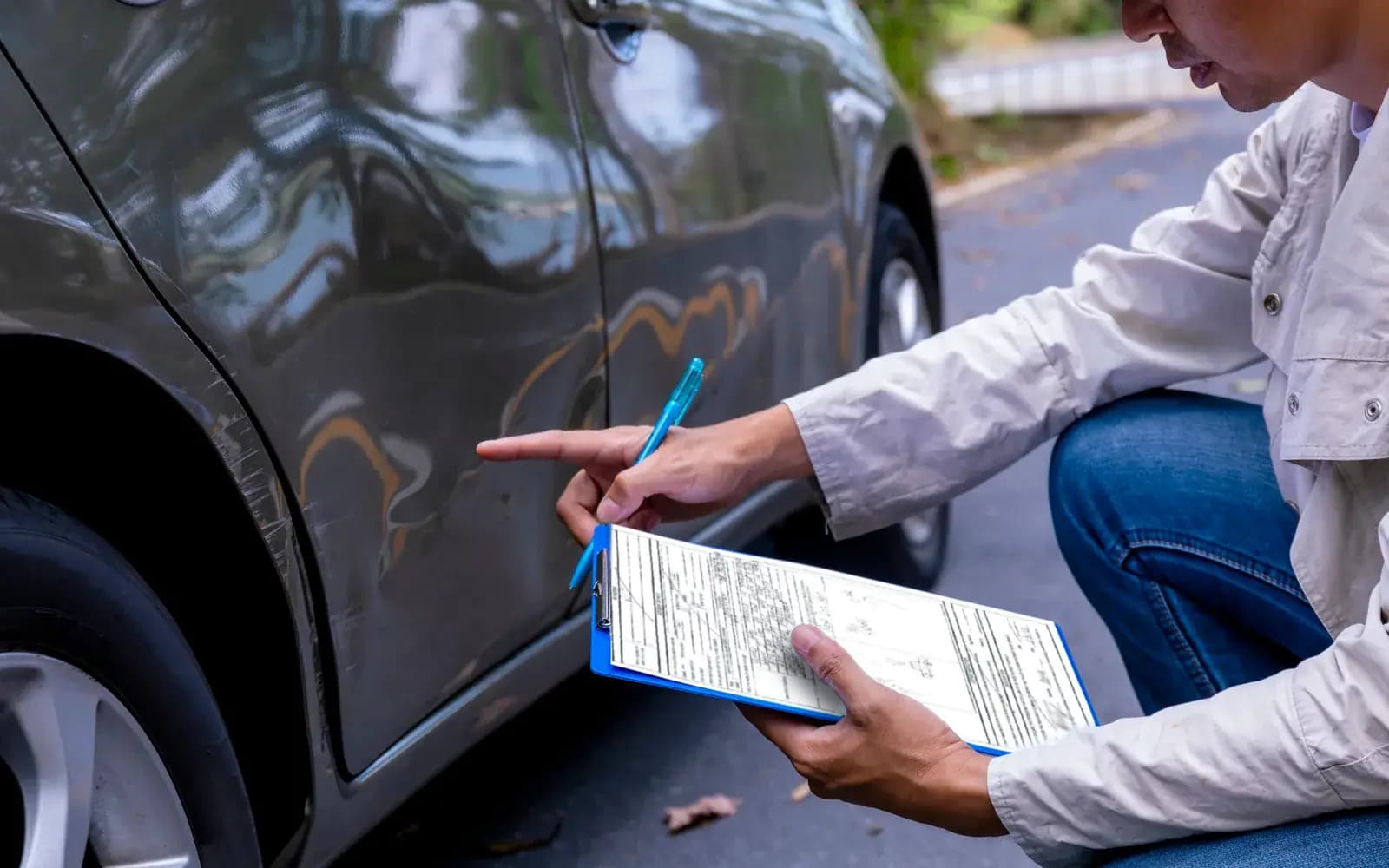
Two cars roll off the same repair estimate: same year, same model, same repair quality, same amount spent fixing them. One has a clean accident-free history; the other now carries a collision on its vehicle history report. Ask a dealer to appraise both, or list both for sale, and the repaired car typically brings a lower number — sometimes meaningfully lower — purely because of that history, even though the repair itself may be invisible to the eye. That gap is diminished value. It's a separate concept from the repair cost itself: the repair bill pays to fix the car, while diminished value is about what the car is worth on the market afterward, accident history and all.
New York's Department of Financial Services has addressed diminution-of-value questions in specific insurance contexts before. In one General Counsel opinion involving a rental vehicle, DFS discussed an insurer's obligations for a rental company's claim that included both actual repair damage and diminution in value, treating them as distinct components of a loss rather than the same thing. That's a narrow, fact-specific opinion about a particular policy and situation — it isn't a blanket rule that every driver in New York can recover diminished value automatically — but it shows that DFS recognizes diminished value as a real, separate category of loss, not just a theory.
The general categories of diminished value claims
Diminished value claims generally fall into a few categories, and which one applies changes who you'd even be filing against:
- Third-party claims, where another driver was at fault for the accident. These are typically filed against the at-fault driver's insurance, alongside or after the repair claim, on the theory that the at-fault party's insurer owes you for the full loss caused by their policyholder — including the resale hit, not just the repair.
- First-party claims, where you're asking your own insurer to cover diminished value under your own policy. Whether this is available at all depends entirely on your policy's language; most standard auto policies aren't written to include it, and some insurers only offer it as a distinct endorsement or don't offer it in New York at all. This is the category where you should confirm directly with your insurer or agent rather than assume coverage exists — don't take it as a given just because the concept applies to your situation.
- Inherent diminished value, the baseline resale gap that exists just because the car now has an accident on its history, independent of repair quality.
- Repair-related diminished value, an additional gap that shows up when the repair itself wasn't done to full factory standard — mismatched paint, panel gaps, aftermarket parts — stacking on top of the inherent gap.
Most conversations about diminished value in practice are about the third-party, inherent version: you weren't at fault, the other driver's insurer paid for repairs, and you're asking for the resale gap on top of that. It's worth noting this is a different situation from a car that gets totaled outright rather than repaired — once a car crosses New York's total-loss threshold and gets a salvage brand, the conversation shifts from diminished value to settlement value and salvage rules entirely, which keeping your totaled car covers separately. Diminished value only applies when the car was repaired and kept on the road with a clean title, not when it was written off.
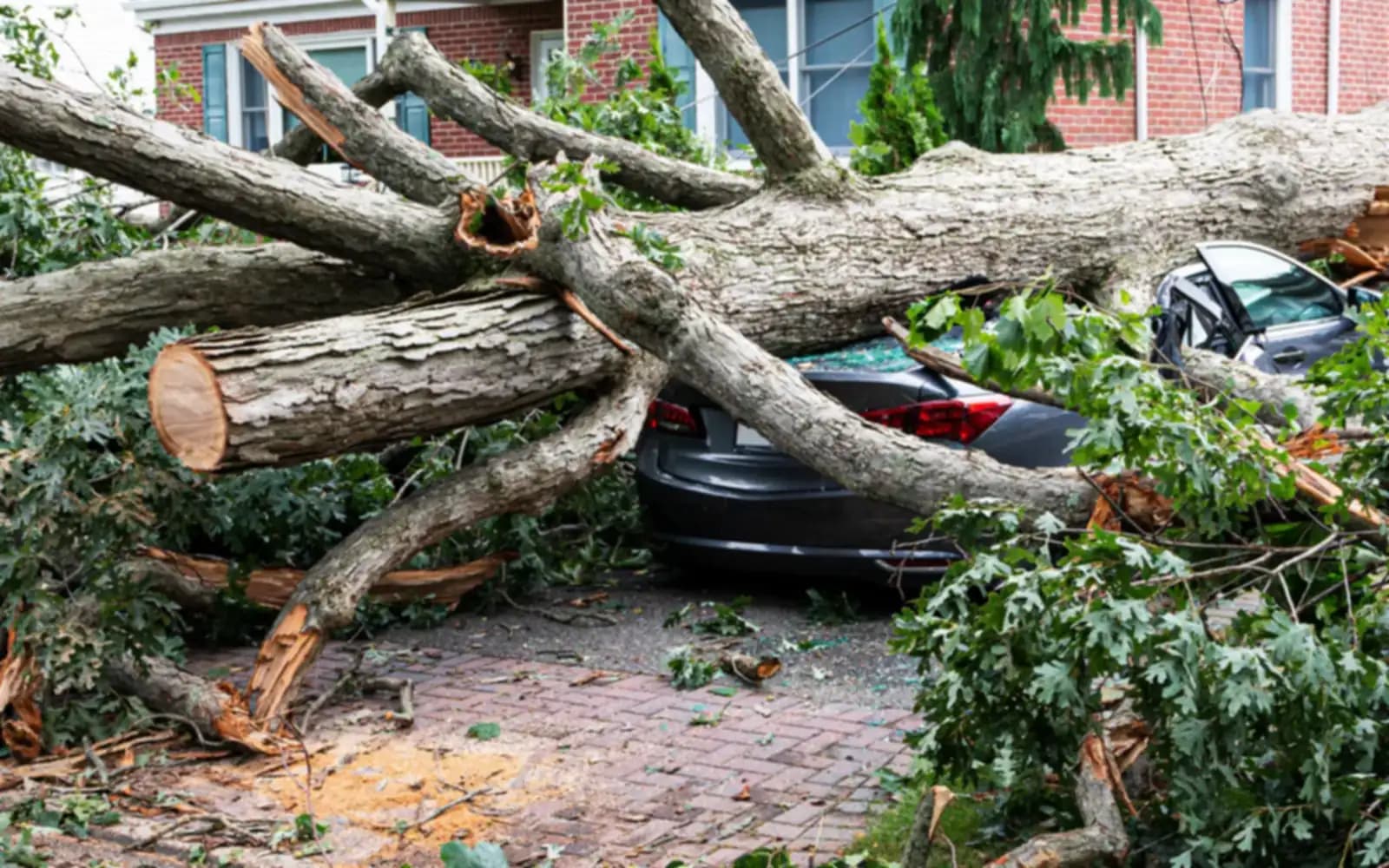
A tree limb crushing a roof, a fender-bender at a light, a parking-lot door ding that turned into a real repair bill — any of these can generate a diminished value question once the repair is done and the car goes back on the road, as long as the damage didn't cross into total-loss territory first. A tree fell on my car: claim it or sell it walks through that specific decision point, and the same repair-vs-value math that decides whether a tree claim is worth filing at all is the backdrop diminished value sits on top of.
Does New York guarantee you can recover it?
No, and it's important not to treat this as automatic. There isn't a clear statutory guarantee that every New York driver can recover diminished value in every situation — the outcome depends on the type of claim (first-party vs. third-party), the specific insurer and policy language involved, and the facts of the case. What exists is a recognized concept that insurers and DFS have engaged with in specific contexts, not a blanket entitlement.
If you believe an insurer is wrongly denying a diminished value claim you have a legitimate basis for, DFS's consumer complaint process is the route for escalating a dispute with an insurance company — it accepts complaints against insurers directly and can route the issue for review. That's the mechanism to use if you think you're being treated unfairly, not a guarantee that the complaint will result in payment; DFS reviews conduct and process, and every case turns on its own facts and policy language.
When it's not worth pursuing — the honest math
This is the part worth being direct about, because it's exactly the situation a lot of readers here are actually in. Diminished value claims make the most sense on newer, higher-value cars, where the resale gap between a clean-history car and a repaired one can be a real, meaningful dollar amount — sometimes worth the time it takes to document and pursue. On an older car, a high-mileage car, or a car that wasn't worth much before the accident, that same percentage gap translates into a much smaller dollar figure, and the time spent gathering appraisals, writing demand letters, and following up with an adjuster can easily cost more in hours than the claim would ever recover.
There's also a practical ceiling that has nothing to do with the math: a car that's already got real mileage, an aging transmission, or other wear going into the accident wasn't commanding a premium resale price to begin with, so there's less value to diminish in the first place. A pristine, low-mileage car losing several thousand dollars in resale value to an accident history is a real loss worth chasing. A twelve-year-old car with two hundred thousand miles losing a few hundred dollars off an already modest resale number usually isn't worth the paperwork, especially once you factor in the time cost of appraisals and correspondence against a payout that might not even cover an afternoon of your time.
If your car is in that second category, the more useful question probably isn't "how do I maximize a diminished value claim," it's simply what the car is worth right now, repaired and all. What a junk car is actually worth covers how that number gets built for a car with real mileage or damage history, and it's often a faster path to an actual number in hand than a diminished value claim would be.
How to actually pursue a claim if it seems worth it
If the car is newer, the accident wasn't your fault, and the gap looks like real money, a few things help build a claim that's taken seriously: get an independent appraisal specifically documenting the pre-accident and post-repair values rather than relying on the insurer's own number, keep the repair estimate and invoice showing exactly what was done, and submit the claim in writing to the at-fault driver's insurer rather than only discussing it by phone. If the claim gets denied or ignored and you believe it shouldn't have been, that's when DFS's complaint process becomes the next step, not the first one.
It's also worth deciding upfront whether the car is one you're keeping or one you're planning to sell soon. If you're about to sell anyway, how to get the most money from insurance for a totaled car and totaled by insurance — can I still sell the car cover the settlement and resale side of that decision, which for a lot of cars ends up being the more relevant question than diminished value specifically. And if the car ends up being one a dealer won't take as a clean trade because of the accident on its history, dealer trade-in vs. junk buyer for a dead car explains why that gap between a dealer's number and a buyer who deals in exactly this kind of car can be so wide — it's the same underlying dynamic as diminished value, just showing up at trade-in time instead of in an insurance demand letter.
None of this is a reason to skip a legitimate claim on a car where the numbers actually justify it. It's a reason to run the numbers first, honestly, before deciding how much time to put into pursuing one.
Where CashMyCarNY fits in
If the diminished value math doesn't pencil out — or the car simply isn't worth the time a claim takes to pursue — CashMyCarNY buys cars with accident history, repaired damage, and everything in between. Getting an instant offer takes about 60 seconds, towing is free anywhere in New York and built into the offer, and payment happens at pickup, giving you a real number without spending weeks chasing a claim that may not be worth much on this particular car.
Quick answers
What is a diminished value claim? A claim for the drop in a car's resale worth that remains even after a proper repair, on the theory that an accident history alone lowers what buyers and appraisers will pay for the car afterward, separate from the repair bill itself.
Does New York guarantee I can recover diminished value? No. There's no blanket guarantee — recovery depends on whether the claim is first-party or third-party, the insurer's specific policy language, and the facts of the case. Confirm directly with the insurer involved rather than assuming coverage applies.
Is it worth filing a diminished value claim on an old car? Usually not. The dollar gap on an older, higher-mileage, or lower-value car is typically small, and the time spent on appraisals and correspondence can outweigh what the claim would actually recover.
Who do I file a diminished value claim against? If another driver was at fault, it's typically filed against their insurer alongside the repair claim. If you're asking your own insurer to cover it, that depends entirely on whether your policy includes that coverage — most standard policies don't.
What if my diminished value claim gets denied unfairly? DFS's consumer complaint process is where to escalate a dispute with an insurance company in New York. It's a review mechanism, not a guarantee of payment — every case depends on its own facts and the applicable policy.
Does it matter where in New York I file the claim? No — diminished value is an insurance and policy question, not a location-based one, so the process is the same whether you're in Erie County or anywhere else in the state.
Get your instant offer
Free towing · No hidden fees · No obligation
Frequently Asked
Will you buy a car that failed NY inspection?
Yes. A failed inspection is one of the most common reasons people call us — and the repair estimate is often worth more than the car. We buy it whether it passed or not.
What kinds of cars do you buy?
Just about anything — running or not, wrecked, flooded, rusted out, or missing parts. We make offers on cars that other buyers pass on.
Do I need the title?
Having the title in hand is best — you'll sign it over in the seller section on the back at pickup. If your title is missing, tell us your situation and we'll walk you through what's possible.
How is my offer calculated?
We price your car based on year, make, model, and condition, plus current scrap value that week. Newer and larger vehicles are generally worth more, but there is no typical figure worth quoting — the number depends on your specific car, so get your own instant offer for the real one.
Is towing really free?
Yes — free towing means $0, no hidden fee, anywhere in New York.
How fast can you pick up?
We move quickly once your offer is accepted. Exact timing depends on your location and schedule, so we'll confirm a pickup window with you directly.
What paperwork do I need in NY?
You'll need your signed-over title, and your plates should come off before pickup. New York requires sellers to surrender plates to the DMV before canceling insurance, and the DMV issues an FS-6 receipt for the surrender — we'll walk you through it.
What happens to my plates?
Remove your plates before we arrive for pickup. You'll then surrender them to the DMV and keep the FS-6 receipt as your proof of surrender — check dmv.ny.gov for details on the process.
When and how do I get paid?
You get paid at pickup once the vehicle and paperwork are confirmed — no waiting around for a check in the mail.
We’ll Buy It.
Because when it comes down to it, junk cars are our thing. Anywhere in New York.