Keeping Your Totaled Car (Owner-Retained Salvage) and Selling It Later
5 min read · June 25, 2026 · Updated August 17, 2026
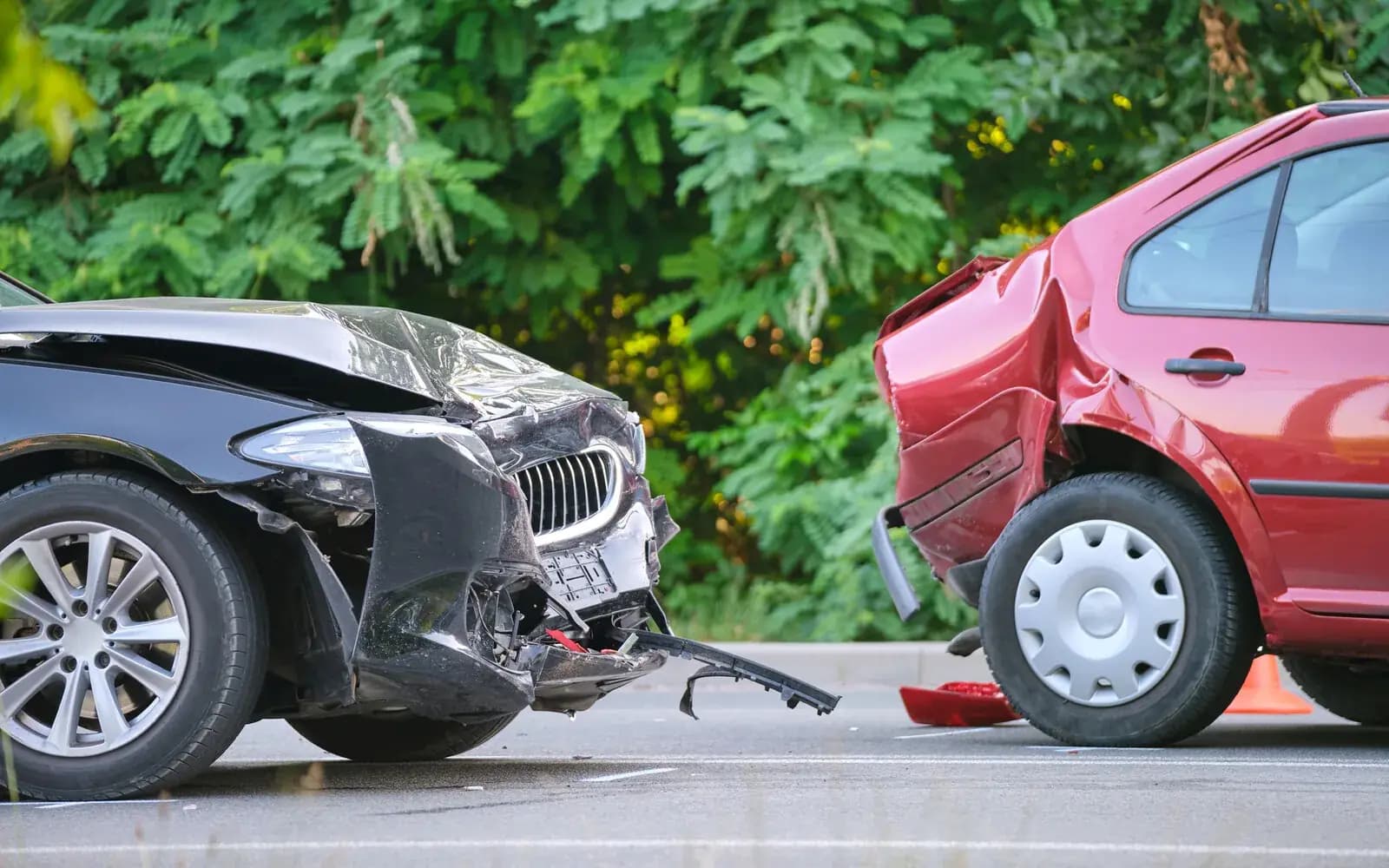
A car you kept after insurance called it a total loss, sometimes called owner-retained salvage, can absolutely be sold later. Whether you made that call last month or three winters ago, the car has carried a salvage certificate instead of a clean title since the day you kept it, and that one document is what shapes everything about selling it now.
Can you buy back a totaled car?
Yes — this is what owner-retained salvage actually is. When an insurer declares your car a total loss, you're not automatically handing it over. If your insurer offers the option, and not every policy does, you can choose to keep the car instead of surrendering it, and the settlement gets reduced to account for what you're keeping. Functionally, that's buying your own totaled car back out of the claim, just without a separate purchase transaction — the adjustment happens inside the settlement math itself, rather than through a second sale on top of it.
From that point forward, the car isn't wiped clean of what happened to it. It carries a salvage certificate instead of a title, and everything else on this page describes what that means for insuring, holding onto, and eventually selling it.
What actually happens when you keep a totaled car?
Totaled by insurance, can I still sell the car covers the decision itself in full: an insurer declares a total loss once repair costs pass 75% of the car's pre-damage value, and if you choose to keep the car rather than hand it over, the settlement gets adjusted to account for the car's remaining value while the car itself falls under New York's salvage-certificate rules from that point on. This post picks up after that decision is already made, once the settlement is done and the car is sitting in your driveway with a salvage certificate instead of a title.
What does the salvage certificate change about selling it?
Everything about the paperwork, nothing about your right to sell. A salvage certificate, Form MV-907A, replaces the title and follows the car through any future sale, which means the brand is already disclosed the moment you hand it over. There's no separate disclosure step to remember, because the certificate does that automatically, the same way a rebuilt or junk brand shows up printed directly on a title. What is an MV-907A salvage certificate covers the filing rules behind that certificate in more depth than makes sense to repeat here.
Who actually buys a car in this condition?
Not the same buyer pool as a clean-titled car. A salvage-branded vehicle, owner-retained or otherwise, realistically attracts rebuilders, parts buyers, and junk or salvage buyers who already expect and price around branded paperwork, rather than an everyday used-car shopper looking for a clean title. That's true whether the salvage brand came from a wreck you never touched or from damage you decided to live with instead of handing the car to the insurer. The brand itself, not how it got there, is what narrows the pool.
Does it matter how long you waited to sell?
Nothing in DMV's salvage rules ties an expiration date to how long you hold a salvage-branded car before selling it. The certificate follows the car whenever you're ready to sell, not on a countdown, so a car kept for a month and one kept for several years carry the same paperwork requirement once you do decide to sell. What can change in the meantime is the car itself — more time sitting is more time for a battery to die, tires to flatten, or rust to set in, and that affects the car's condition at sale far more than the calendar does.
If the certificate itself has gone missing along with everything else in the shuffle after an accident, that's closer to a lost-title situation than a dead end. Selling a car with a lost title in NY walks through reconstructing proof of ownership when the paperwork you need isn't where you left it.
Can you get a rebuilt title instead of selling it as salvage?
Sometimes, if you'd rather put the work in and drive the car again instead of selling it. A salvage-branded car can go through a DMV salvage examination and come out with a rebuilt title, covered in full in the salvage vs rebuilt vs junk vs parts-only guide. That's a real path, but it's a choice, not a requirement standing between you and a sale — plenty of buyers deal specifically in salvage-branded cars exactly as they sit.
Can you insure a salvage-branded car?
Usually yes, but with narrower options than a clean title — and the answer depends enough on the insurer that it deserves its own walkthrough. Can you insure a car with a salvage title covers what tends to be available on a salvage certificate versus a rebuilt title, and what to ask when you call for quotes.
Where CashMyCarNY fits in
An owner-retained salvage car is exactly the kind of car other buyers pass on, and it's exactly the kind we don't. We buy wrecked, flooded, and salvage-branded cars along with everything else, and we walk you through whichever DMV paperwork your car needs, salvage certificate included, instead of leaving you to figure it out alone. See how the pickup process works, or get an instant offer in about 60 seconds, no-haggle, with payment at pickup once everything lines up.
Quick answers
Does keeping the car change how much the insurance settlement pays out? The settlement gets adjusted to account for the car's remaining value once you choose to keep it, but the exact math depends on your insurer and your policy. Ask your insurer directly rather than assuming a specific number applies to your claim.
Do you have to tell a buyer the car was a total loss? The salvage certificate does that automatically, since the brand is printed on the paperwork you hand over. There's no separate disclosure form to fill out on top of it.
Is owner-retained salvage the same thing as a rebuilt title? No. Owner-retained salvage means you kept a totaled car and it carries a salvage certificate; a rebuilt title only happens after that car passes a DMV salvage examination. One is a starting point, the other is an optional next step.
Does owner-retained salvage work differently in Nassau County than the rest of New York? No. It's a statewide DMV rule tied to the car's damage and paperwork, not the location, so a car kept after a total loss in Nassau County follows the same salvage-certificate process as one anywhere else in the state.
Can you get insurance on a salvage title? Generally yes, though the options are narrower than for a clean title. Our guide to insuring a salvage-title car covers what that usually looks like.
Does a salvage title affect insurance? Yes — mostly in which coverage is available rather than whether you can insure the car at all. The dedicated guide explains the pattern.
The short version
Keeping a totaled car, owner-retained salvage, means the settlement gets adjusted for the car's remaining value and the car itself carries a salvage certificate from that point forward. Selling it later works the same as selling any salvage-branded car: the certificate discloses the brand automatically, the buyer pool narrows to rebuilders and salvage buyers rather than typical used-car shoppers, and there's no clock forcing a sale by any particular date. A rebuilt title is available if you'd rather repair and drive the car instead, but it's a choice, not a requirement. Either way, the paperwork travels with the car, not with how long you waited.
Get your instant offer
Free towing · No hidden fees · No obligation
Frequently Asked
Will you buy a car that failed NY inspection?
Yes. A failed inspection is one of the most common reasons people call us — and the repair estimate is often worth more than the car. We buy it whether it passed or not.
What kinds of cars do you buy?
Just about anything — running or not, wrecked, flooded, rusted out, or missing parts. We make offers on cars that other buyers pass on.
Do I need the title?
Having the title in hand is best — you'll sign it over in the seller section on the back at pickup. If your title is missing, tell us your situation and we'll walk you through what's possible.
How is my offer calculated?
We price your car based on year, make, model, and condition, plus current scrap value that week. Newer and larger vehicles are generally worth more, but there is no typical figure worth quoting — the number depends on your specific car, so get your own instant offer for the real one.
Is towing really free?
Yes — free towing means $0, no hidden fee, anywhere in New York.
How fast can you pick up?
We move quickly once your offer is accepted. Exact timing depends on your location and schedule, so we'll confirm a pickup window with you directly.
What paperwork do I need in NY?
You'll need your signed-over title, and your plates should come off before pickup. New York requires sellers to surrender plates to the DMV before canceling insurance, and the DMV issues an FS-6 receipt for the surrender — we'll walk you through it.
What happens to my plates?
Remove your plates before we arrive for pickup. You'll then surrender them to the DMV and keep the FS-6 receipt as your proof of surrender — check dmv.ny.gov for details on the process.
When and how do I get paid?
You get paid at pickup once the vehicle and paperwork are confirmed — no waiting around for a check in the mail.
We’ll Buy It.
Because when it comes down to it, junk cars are our thing. Anywhere in New York.