Where Windshields Go: Auto Glass Recycling
8 min read · August 17, 2026 · Updated August 29, 2026
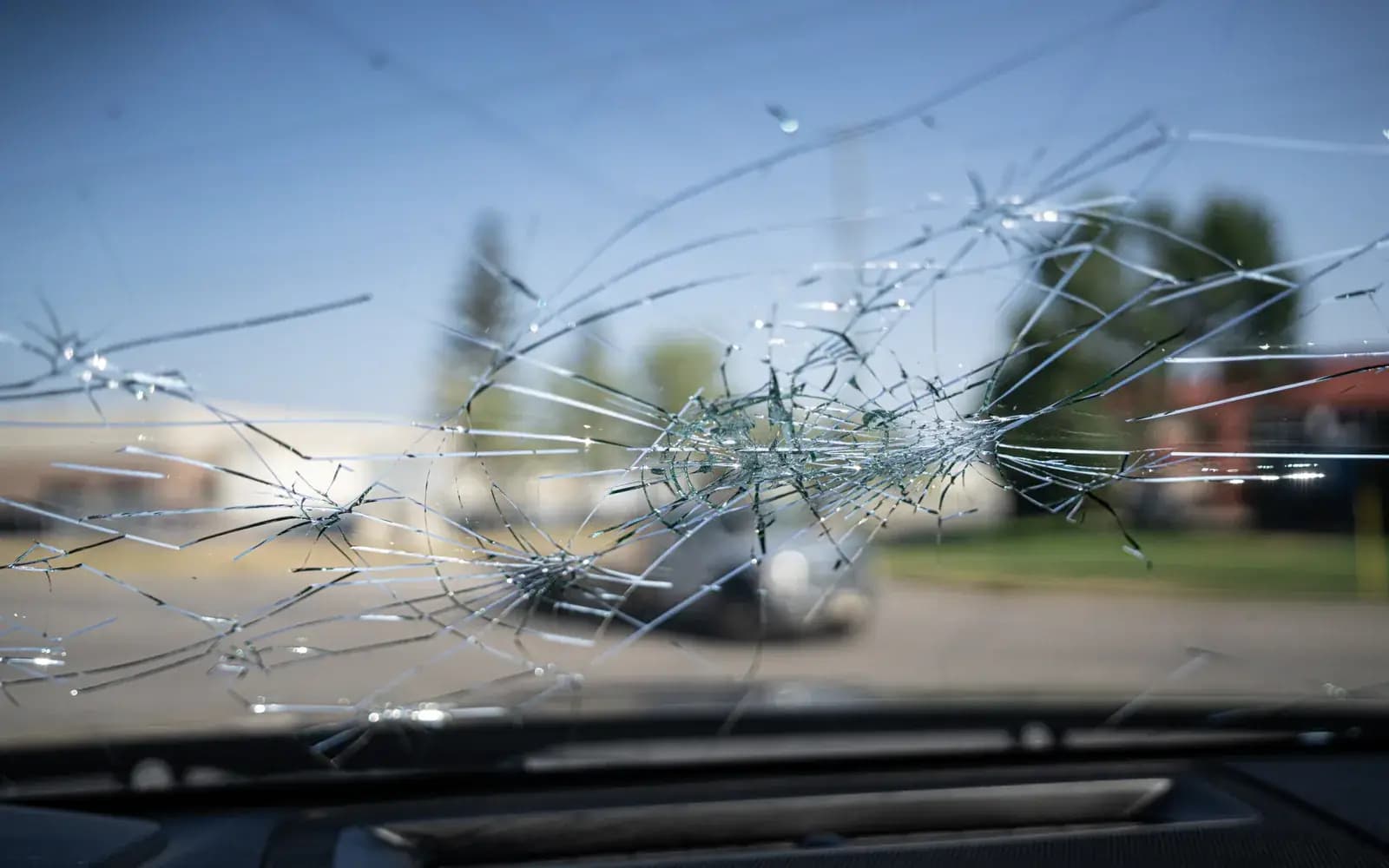
A windshield doesn't get recycled the way a glass bottle does, because it isn't the same kind of glass. A windshield is laminated safety glass — two layers of glass bonded to a plastic interlayer — and that construction has to be separated before either material can be reused, which is a different and more involved process than melting down a jar. Here's what that separation actually involves and where the pieces end up.
Why can't a windshield just go in with regular glass recycling?
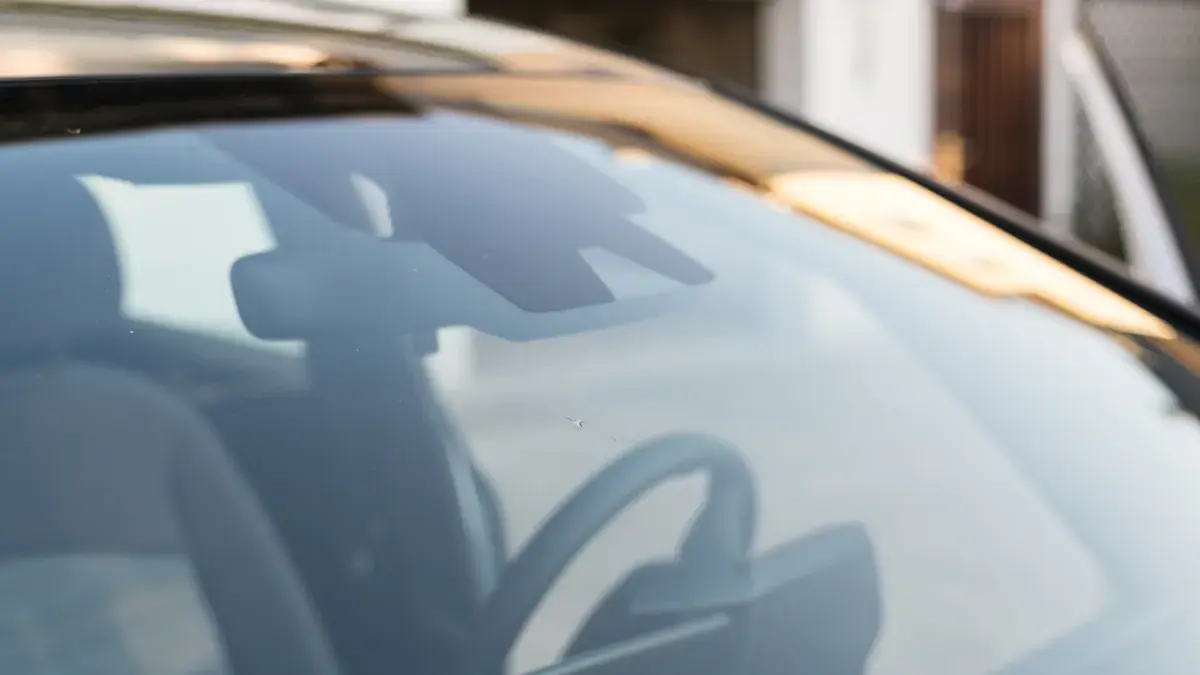
Curbside and container glass recycling programs are built around a single, consistent type of glass: soda-lime container glass, the kind used in bottles and jars. That consistency matters because glass recycling works by melting collected glass — called cullet — back down and reforming it into new containers, and the furnace needs a chemically uniform input to produce consistent results. New York's Department of Environmental Conservation is direct about this in its consumer guidance: the only glass that belongs in a recycling bin is bottles and jars, and that guidance specifically excludes window panes, mirrors, drinking glasses, and other glass types precisely because they have a different melting point and chemical composition than container glass. Mix them in, and you don't get a cleanly reusable batch — you get contaminated cullet that weakens the recycled product or has to be screened out and discarded anyway.
A windshield fails that test on two separate levels. First, it's a different glass composition than a bottle, the same general problem DEC describes for any non-container glass. Second — and this is the bigger issue — it isn't even a single sheet of glass. It's two sheets bonded together with a plastic layer between them, and that construction alone rules out melting it down alongside anything else without first taking it apart.
What makes laminated glass different from a single pane?
A windshield is built from two thin layers of glass with a sheet of polyvinyl butyral, or PVB, sandwiched and bonded between them under heat and pressure. That's a deliberate safety design, not a manufacturing shortcut: if a windshield cracks in an impact, the PVB layer is what keeps the glass from shattering into loose shards and flying into the cabin. The glass can crack, but the plastic interlayer holds the pieces together, which is exactly the behavior that makes laminated glass so much safer in a crash than a single sheet of tempered glass would be.
That same bonding is what makes recycling it harder. Container glass recycling is designed around clean, single-material glass. A windshield is a composite — glass, plastic, and often a thin layer of tint or coating baked into the mix — and none of those materials can go through a standard glass furnace together. The PVB doesn't melt at glass temperatures; it burns or contaminates the batch instead. So before a windshield's glass content is usable for anything, the glass and the plastic interlayer have to be physically separated from each other first.
Is a windshield the same problem as a side window?
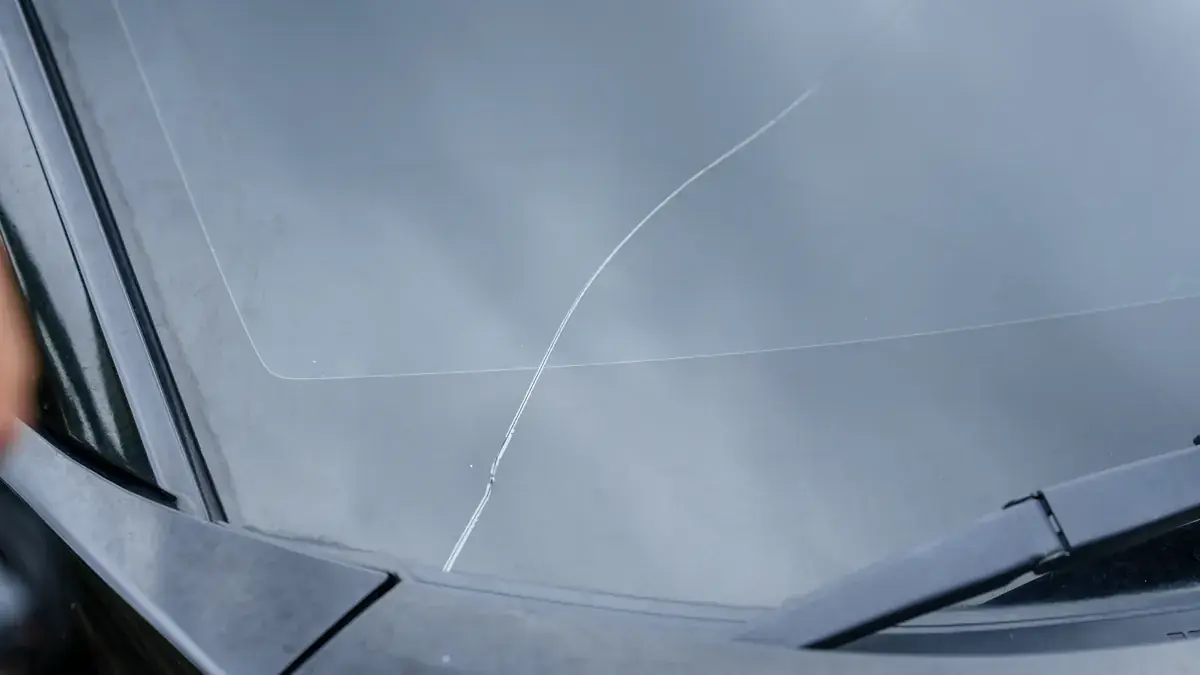
No, and this distinction gets missed constantly. A windshield is laminated glass for the reason described above — it has to stay in one piece and hold together on impact so a driver isn't struck by flying shards or ejected through the opening. Side and rear windows are typically a completely different type of safety glass called tempered glass: a single sheet that's been heat-treated so that, instead of holding together, it shatters into small, relatively dull granules on impact rather than large jagged shards. That's a real, meaningful safety difference, and it also means side and rear glass doesn't carry the same recycling obstacle a windshield does — there's no plastic interlayer to separate out. Tempered glass still isn't ordinary container glass and still doesn't belong in a curbside bin, but it doesn't require the same mechanical delamination process a windshield does before its glass content is even reachable.
How does that separation actually happen?
Where a windshield is processed with dedicated glass-recycling equipment rather than simply discarded, the general approach is mechanical: the windshield is crushed or broken into smaller pieces, and then a combination of vibration, screening, and sometimes water washing is used to work the glass fragments loose from the PVB layer they're bonded to. The glass fragments that come out the other side aren't pure enough to go straight into a bottle furnace — they typically go toward lower-grade uses like fiberglass insulation, glass beads for reflective road paint, or construction aggregate, applications that tolerate more contamination and residual plastic than a food or beverage container can.
The PVB interlayer, once separated, is its own separate material with its own reuse questions. In some processing setups it's cleaned and reprocessed into new PVB film or other plastic products; in a lot of cases, it isn't economically worth the extra step and ends up disposed of along with other non-recyclable material. Which path a given windshield takes depends heavily on whether the facility that receives it has invested in that separation equipment at all — plenty of glass and scrap operations simply don't, because the volume of windshields relative to bottles and jars doesn't justify a dedicated line for most of them.
What actually happens to most windshields in practice?
The honest, unglamorous answer is that a large share of windshields removed from wrecked or scrapped vehicles don't go through a dedicated laminated-glass recycling process at all. Many end up in general construction and demolition debris, in landfills, or, when a vehicle goes through a shredder rather than full disassembly, mixed into the auto shredder residue stream we've written about separately — the non-metal fluff left over once a shredded car's steel and aluminum are pulled out. That's a genuinely different outcome than a plastic water bottle or an aluminum can gets, and it's worth saying plainly rather than assuming a windshield automatically gets "recycled" just because glass, in general, is a recyclable material.
There are auto glass shops and specialty recyclers that do run dedicated laminated-glass separation lines, and where a windshield passes through one of those, the outcome looks more like what's described above: separated glass cullet going toward lower-grade uses, and PVB either reprocessed or discarded. But that outcome depends on the vehicle's glass reaching one of those specific facilities rather than a general scrap or demolition stream, and there's no requirement in most places, including New York, that guarantees it will.
Does New York regulate what happens to a windshield specifically?
New York's public DEC guidance on glass focuses on container glass — what belongs in a household recycling bin and what doesn't — rather than laying out a dedicated windshield or auto glass recycling mandate. Vehicle glass more broadly falls under the general framework that governs registered vehicle dismantling facilities and the state's solid waste management program, the same regulatory structure that oversees fluids, mercury switches, and other end-of-life vehicle material — but there isn't a New York-specific windshield recycling rule to point to, and we'd rather say that clearly than imply one exists.
Does a cracked windshield affect what a junk car is worth?
Not in a meaningful way. A junk buyer's offer is built around the car's overall weight, working parts, and current scrap metal pricing, the same math covered in our guide to how scrap metal prices affect your offer. Glass — windshield included — isn't a metal, doesn't carry meaningful scrap value on its own, and a crack or a missing windshield entirely doesn't move that number in any real way. If you're weighing whether cosmetic damage like that is worth fixing before selling, our page on whether dents, missing bumpers, or body damage change a junk offer covers that question directly — the short version applies here too: don't spend money fixing it first.
What this looks like for a seller in New York
Picture a car in Monroe County that's been in a minor accident — the windshield is spider-cracked but the car is otherwise drivable, or it's a non-runner being sold as-is. Whether or not that windshield ever gets separated into recyclable glass and PVB depends entirely on which facility the car eventually passes through, not on anything the seller does. A dismantler that strips usable parts before scrapping might pull the windshield for resale if it's in good shape, extending its life instead of recycling it at all. A car that goes straight to a shredder sends its glass into the general residue stream. Neither path changes what the seller is paid — that number was set before the car ever reached a facility.
Where CashMyCarNY fits in
We buy junk cars across all 62 New York counties, cracked windshield or not, running or not. A free instant offer takes about a minute with no haggling, and if the number works, we schedule free towing — often the same day when it's arranged by early afternoon. Our page on what happens to your car after we buy it walks through the fuller path from pickup through parts recovery to final processing.
Quick answers
Can I put a windshield in my curbside glass recycling bin? No. Curbside and container glass programs are built around bottles and jars specifically. New York's DEC guidance excludes window glass, mirrors, and other non-container glass because they have a different melting point and composition than container glass, and mixing them contaminates the batch.
Why is a windshield harder to recycle than a bottle? A windshield is laminated safety glass — two sheets of glass bonded to a plastic PVB interlayer under heat and pressure. That plastic layer has to be mechanically separated from the glass before either material can be reprocessed, which a standard glass furnace can't do on its own.
What happens to the glass after it's separated from the PVB layer? It typically isn't pure enough for new bottles or jars. It commonly goes toward lower-grade uses like fiberglass insulation, reflective glass beads for road paint, or construction aggregate.
Does every windshield actually get recycled? No, and it's worth being honest about that. A large share end up in general construction debris, landfills, or mixed into auto shredder residue when a car goes through a shredder rather than a dedicated laminated-glass recycling line.
Does a cracked or missing windshield lower my junk car offer? Not meaningfully. Offers are based on the car's weight, working parts, and scrap metal pricing. Glass doesn't carry real scrap value, so a cracked or missing windshield doesn't move the number in any significant way.
Does it matter where in New York my car's windshield ends up, like near Monroe County? No. What happens to a windshield depends on which specific facility processes the car, not the county. That holds true statewide, including near our Monroe County page.
Get your instant offer
Free towing · No hidden fees · No obligation
Frequently Asked
Will you buy a car that failed NY inspection?
Yes. A failed inspection is one of the most common reasons people call us — and the repair estimate is often worth more than the car. We buy it whether it passed or not.
What kinds of cars do you buy?
Just about anything — running or not, wrecked, flooded, rusted out, or missing parts. We make offers on cars that other buyers pass on.
Do I need the title?
Having the title in hand is best — you'll sign it over in the seller section on the back at pickup. If your title is missing, tell us your situation and we'll walk you through what's possible.
How is my offer calculated?
We price your car based on year, make, model, and condition, plus current scrap value that week. Newer and larger vehicles are generally worth more, but there is no typical figure worth quoting — the number depends on your specific car, so get your own instant offer for the real one.
Is towing really free?
Yes — free towing means $0, no hidden fee, anywhere in New York.
How fast can you pick up?
We move quickly once your offer is accepted. Exact timing depends on your location and schedule, so we'll confirm a pickup window with you directly.
What paperwork do I need in NY?
You'll need your signed-over title, and your plates should come off before pickup. New York requires sellers to surrender plates to the DMV before canceling insurance, and the DMV issues an FS-6 receipt for the surrender — we'll walk you through it.
What happens to my plates?
Remove your plates before we arrive for pickup. You'll then surrender them to the DMV and keep the FS-6 receipt as your proof of surrender — check dmv.ny.gov for details on the process.
When and how do I get paid?
You get paid at pickup once the vehicle and paperwork are confirmed — no waiting around for a check in the mail.
We’ll Buy It.
Because when it comes down to it, junk cars are our thing. Anywhere in New York.