What Happens to Your Car After We Buy It
3 min read · July 10, 2026 · Updated August 15, 2026
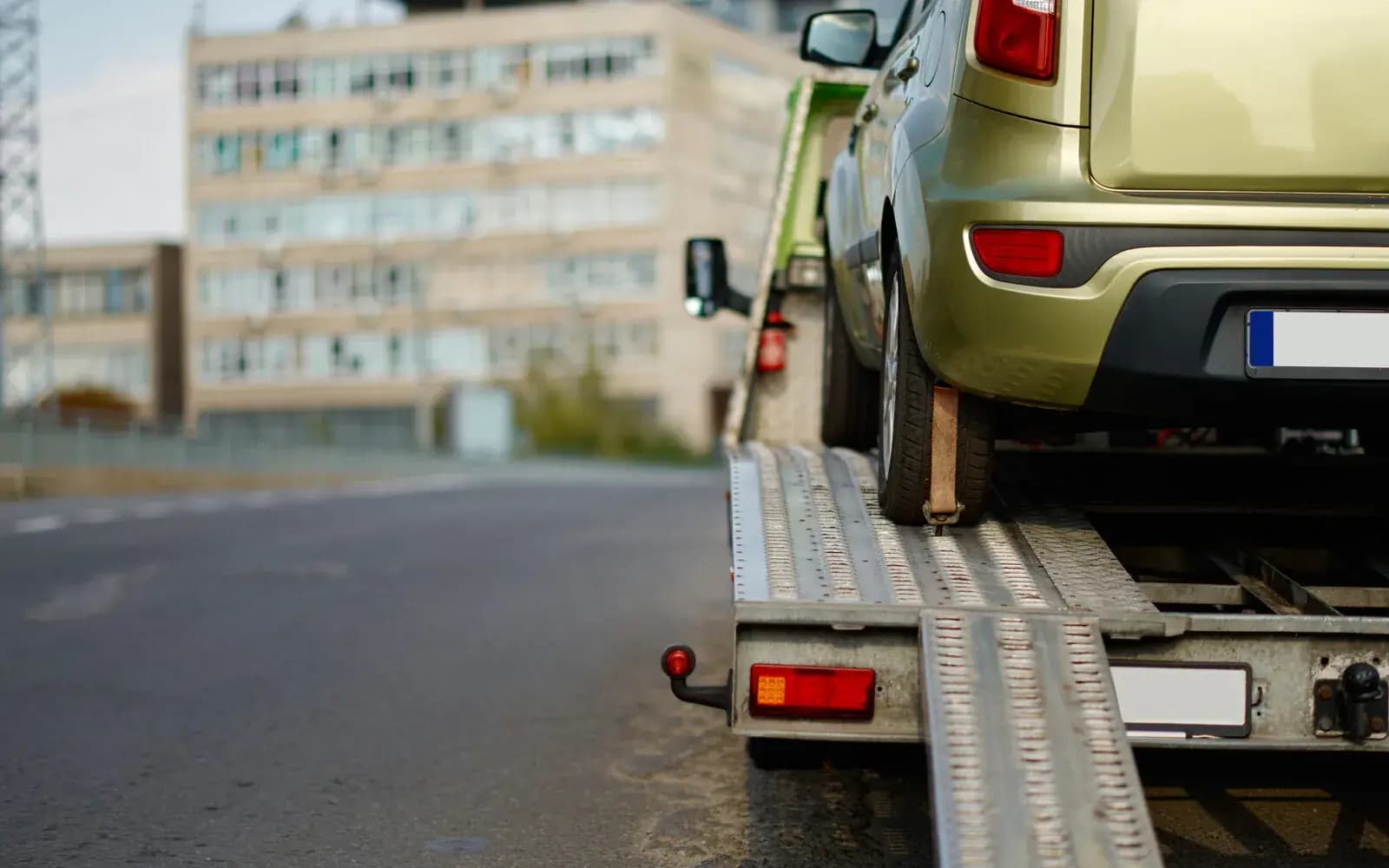
Once your junk car is picked up, it doesn't just disappear into a scrapyard and vanish. There's a fairly consistent process most end-of-life vehicles go through, and understanding it can make the whole transaction feel less like a mystery and more like what it actually is: a car being taken apart responsibly and turned into materials that get used again. It also helps to know who's actually licensed to do this work in New York, since not every yard handles every step.
Draining the fluids first
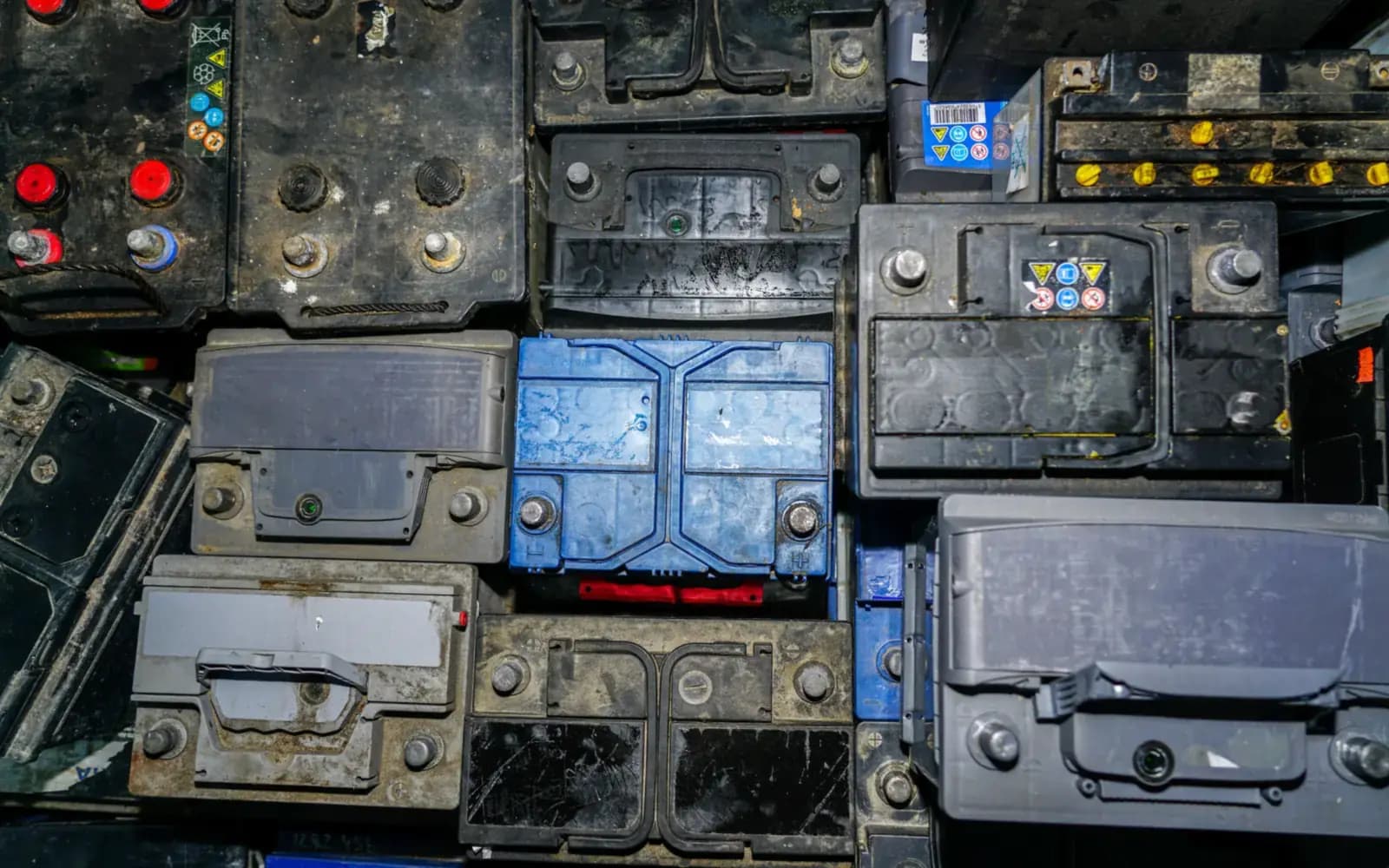
Before anything else happens, a vehicle typically has its fluids drained — oil, coolant, transmission fluid, brake fluid, gasoline, and anything else still in the system. This step matters for safety and for handling the vehicle properly during everything that follows. Fluids are generally kept separate from the metal and material recovery process and dealt with on their own. In New York, this isn't just good practice — licensed dismantling facilities are required to report the volumes of end-of-life fluids they recover and to manage mercury switches (found in the hood and trunk lighting and anti-lock brake systems of pre-2003 vehicles) under the National Vehicle Mercury Switch Recovery Program, filing annual reports with the state Department of Environmental Conservation (DEC), which also licenses the dismantling facilities themselves. For the full rundown of how that works, see fluids, airbags, and mercury switches.
Pulling reusable parts
Many cars still have components worth reusing even if the vehicle as a whole is done running — an alternator, a starter, body panels, interior parts, wheels, or other pieces that still function even though the car overall doesn't. Depending on the vehicle's condition, parts like these are often removed and set aside before the rest of the car moves further down the line. This is part of why a non-running car still has value — pieces of it can go on to a second life in another vehicle even if the whole car can't. Catalytic converters are handled with particular care here — dismantlers are required to log and report them, and if you're wondering about selling a used catalytic converter separately yourself rather than through a licensed buyer, that's worth reading before you try it.
Crushing and shredding
Once the useful parts have been pulled and the fluids are gone, what's left of the vehicle is typically flattened and eventually shredded into smaller pieces. This isn't a wasteful step — it's what makes the next stage possible. Breaking a car down into smaller material makes it far easier to separate and process than trying to work with an intact vehicle body.
Steel and metal recycling
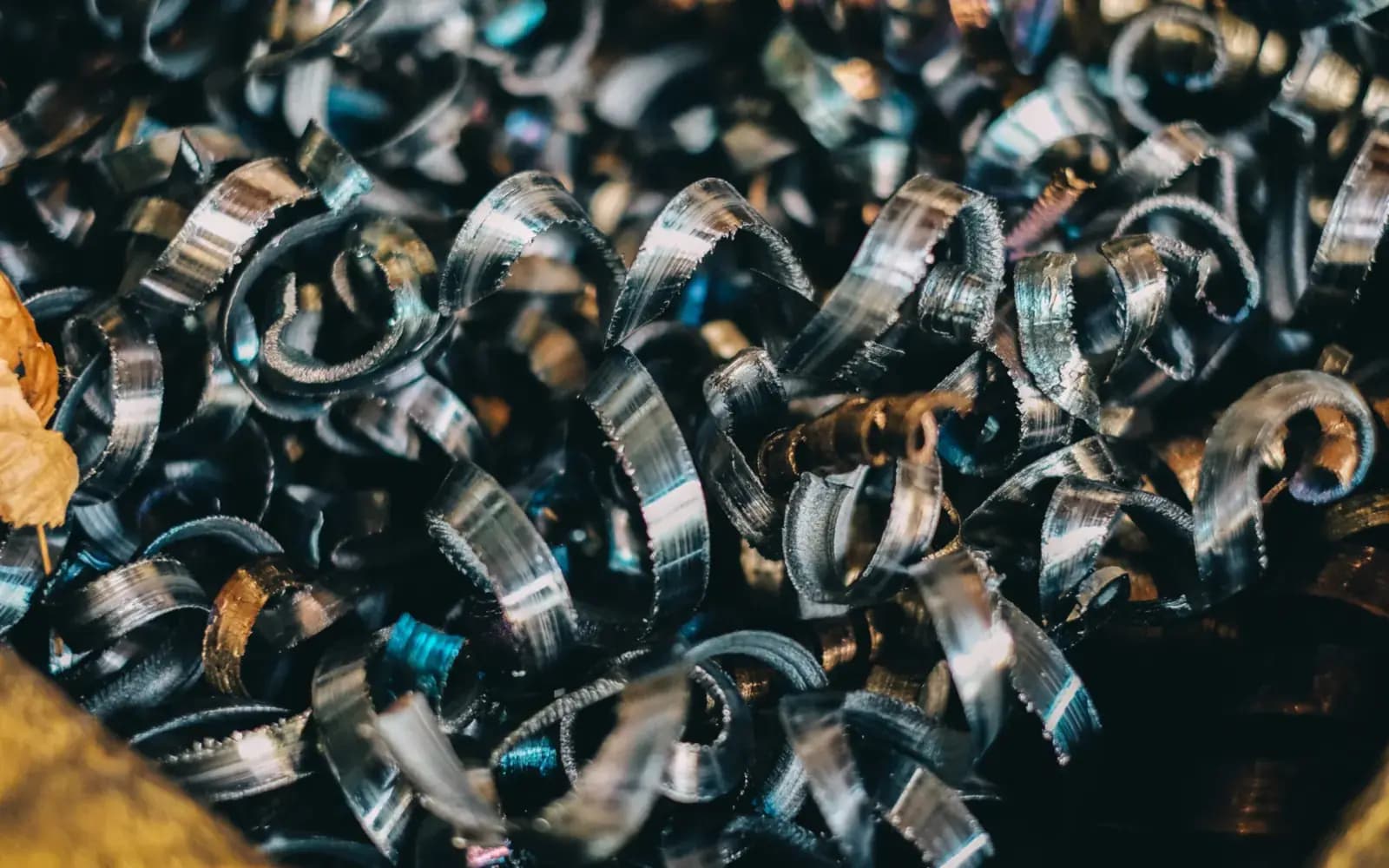
The bulk of a car's weight is steel, and that steel doesn't just get buried or thrown away — it gets recycled. Shredded material gets sorted, and the metal content is recovered and sent on to be melted down and reused in new products. This is the core of why junk car buying exists as a business in the first place: there's real, reusable value in the metal a car is made of, even after the vehicle itself is done being a car. That recovered steel is also part of how scrap metal prices affect your offer in the first place — the market for that recycled material is what makes junk car buying viable as a business.
Most of the car doesn't go to waste
Put together, the process looks like this: fluids are safely drained and handled separately, usable parts are pulled and given a second life in other vehicles, and the remaining structure is broken down so its metal content can be recovered and recycled into new material. The specifics of any given facility's process can vary, but the general shape holds across the industry — very little of a junk car simply ends up as trash.
That's part of what makes selling a car you can't use anymore feel different from just throwing something away. The car isn't wasted; it's converted into materials, parts, and metal that get put to use somewhere else. If you've been holding onto a dead car partly because it feels wasteful to get rid of it, that's actually backwards — leaving it to sit and deteriorate is the choice that wastes more of its value, not selling it.
The bottom line
You don't need to track down where your specific car ends up, or worry about the details of any one facility's process, to understand the basic picture: fluids are handled properly, usable parts get reused, and the steel gets recycled rather than wasted. Selling a junk car isn't just convenient for you — it's also a reasonably responsible way for an end-of-life vehicle to be handled. If you're curious how this process connects to the number in your offer, what your junk car is actually worth breaks down the factors that determine it. To see the number for your own car, a free instant offer takes about a minute.
Quick answers
- What happens to the fluids and mercury switches when my car is scrapped? NY dismantlers must drain and report fluid volumes and manage mercury switches from pre-2003 vehicles under a federal/state recovery program, filing annual reports with NYSDEC (source). See fluids, airbags, and mercury switches for the full picture.
- Is it legal to sell a used catalytic converter separately in NY? NY classifies converters as a "major component part" under a 2022 law, and dismantlers must log and report received-converter counts every 60 days (source) — see is it legal to sell a used catalytic converter separately in NY for the specifics that apply to individual sellers.
- Do all NY scrap yards follow the same environmental rules? Yes — DEC's fluid and mercury-switch reporting requirements apply statewide, including in Monroe County.
Get your instant offer
Free towing · No hidden fees · No obligation
Frequently Asked
Will you buy a car that failed NY inspection?
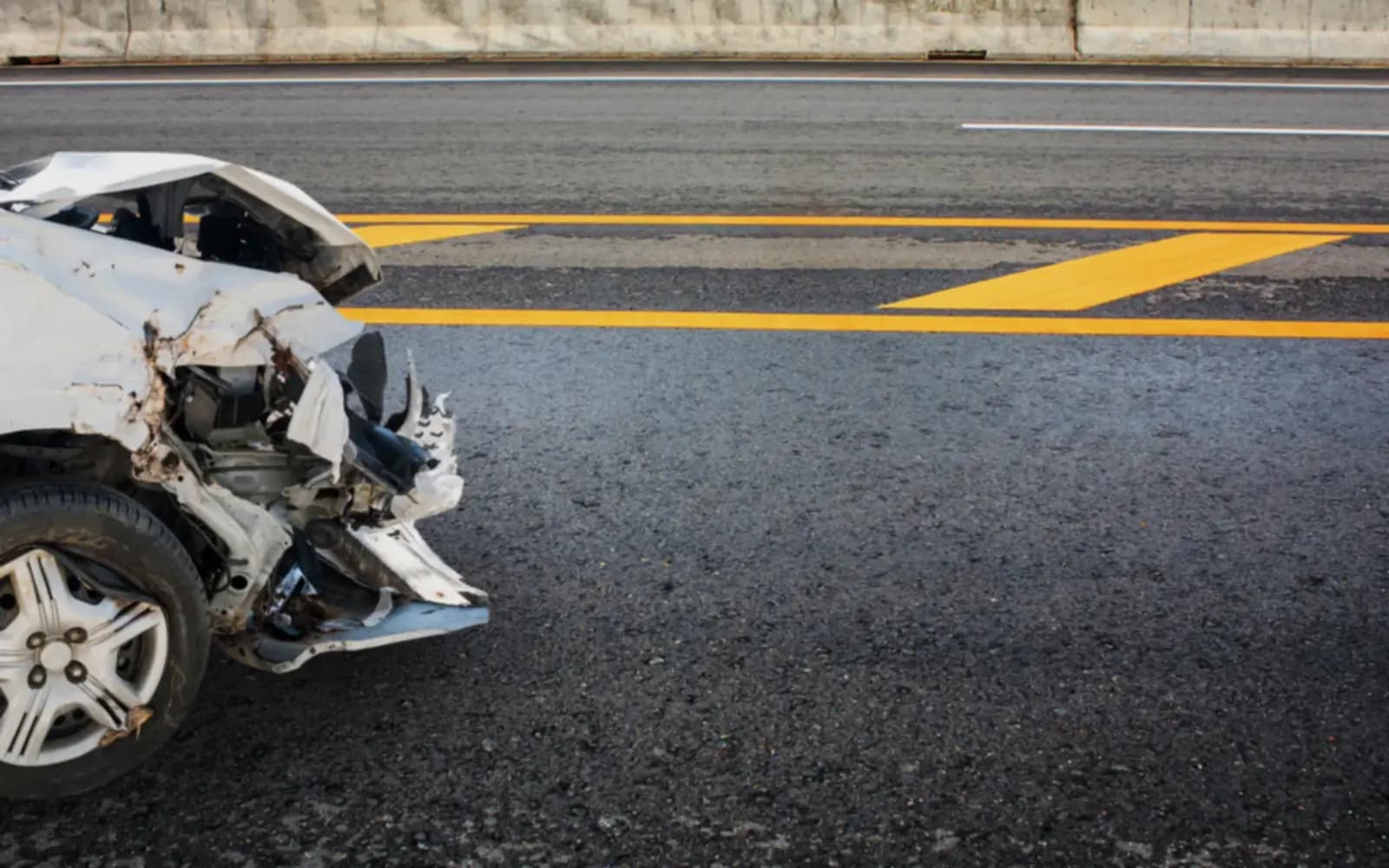
Yes. A failed inspection is one of the most common reasons people call us — and the repair estimate is often worth more than the car. We buy it whether it passed or not.
What kinds of cars do you buy?
Just about anything — running or not, wrecked, flooded, rusted out, or missing parts. We make offers on cars that other buyers pass on.
Do I need the title?
Having the title in hand is best — you'll sign it over in the seller section on the back at pickup. If your title is missing, tell us your situation and we'll walk you through what's possible.
How is my offer calculated?
We price your car based on year, make, model, and condition, plus current scrap value that week. Newer and larger vehicles are generally worth more, but there is no typical figure worth quoting — the number depends on your specific car, so get your own instant offer for the real one.
Is towing really free?
Yes — free towing means $0, no hidden fee, anywhere in New York.
How fast can you pick up?
We move quickly once your offer is accepted. Exact timing depends on your location and schedule, so we'll confirm a pickup window with you directly.
What paperwork do I need in NY?
You'll need your signed-over title, and your plates should come off before pickup. New York requires sellers to surrender plates to the DMV before canceling insurance, and the DMV issues an FS-6 receipt for the surrender — we'll walk you through it.
What happens to my plates?
Remove your plates before we arrive for pickup. You'll then surrender them to the DMV and keep the FS-6 receipt as your proof of surrender — check dmv.ny.gov for details on the process.
When and how do I get paid?
You get paid at pickup once the vehicle and paperwork are confirmed — no waiting around for a check in the mail.
We’ll Buy It.
Because when it comes down to it, junk cars are our thing. Anywhere in New York.