Is It Legal to Sell a Used Catalytic Converter Separately in NY?
5 min read · July 8, 2026 · Updated August 8, 2026
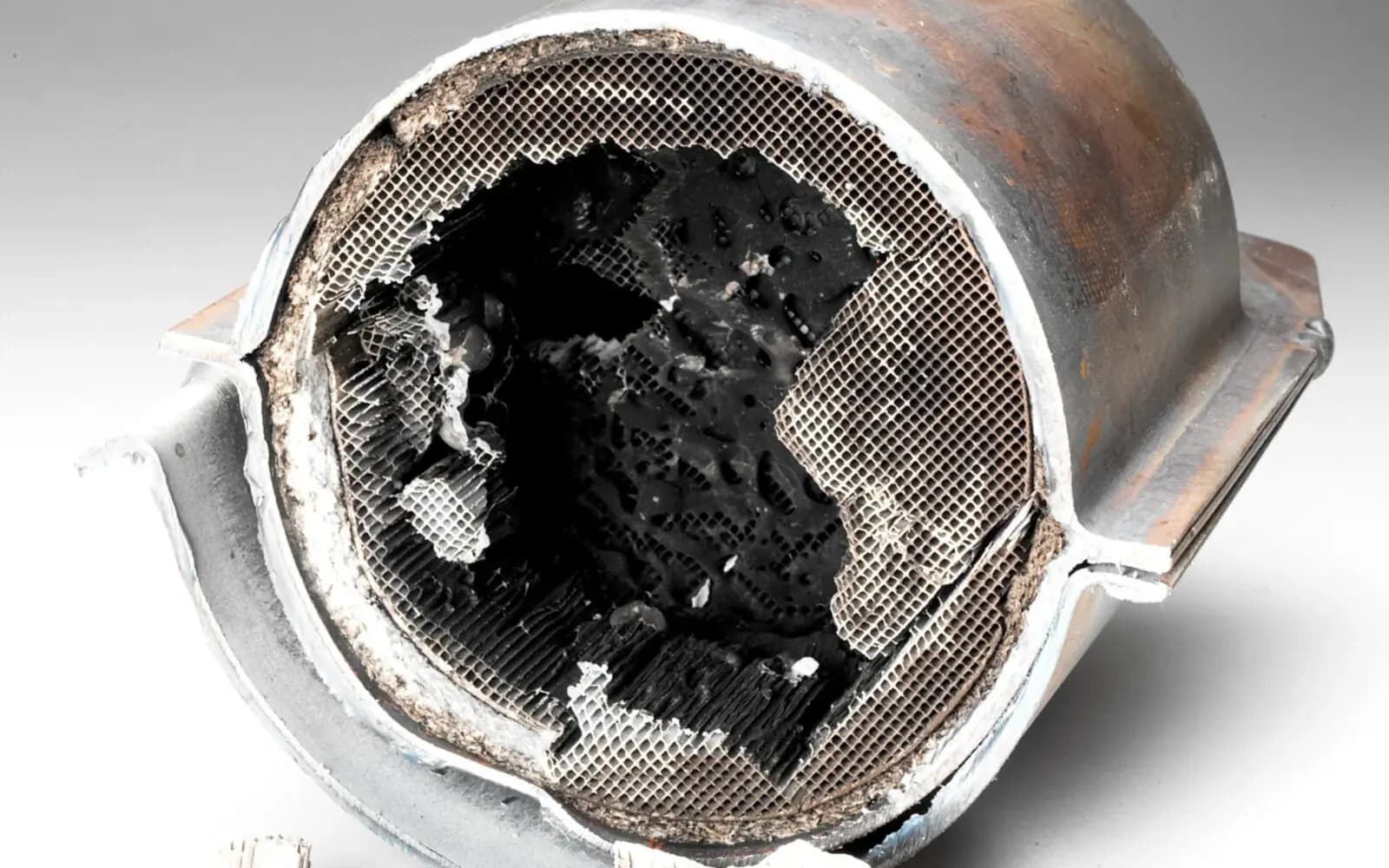
New York never made it illegal to sell a catalytic converter by itself. What changed in 2022 is how carefully the buyer on the other end now has to document where it came from. If it's your converter, off your own car, and you can show that, selling it separately is legal. The real challenge is proving it and finding a buyer willing to keep the paperwork the law now requires.
What New York's 2022 law actually changed
In October 2022, Governor Hochul signed S.9428/A.1940-E, amending New York's Vehicle and Traffic Law to classify catalytic converters as a "major component part." Dismantlers and scrap buyers now have to keep records of every converter they take in and report those counts to the state every 60 days. Failing to maintain or produce those records on request is a Class A misdemeanor, with monetary penalties that can run up to double whatever was paid for a part later found to be stolen. That recordkeeping requirement is the actual target of the law, not the act of selling a converter itself.
Why did lawmakers single out catalytic converters?
Lawmakers didn't write the 2022 recordkeeping law in a vacuum. They wrote it while converter theft was climbing fast enough to become a statewide problem. New York City alone logged 5,548 thefts by mid-August of that year, more than triple the 1,505 counted over the same months in 2021, and Governor Hochul's office pointed to Nassau and Suffolk Counties as two of the sharpest increases anywhere in the state, up 248% and nearly tripled, respectively. Every one of those thefts leaves behind a repair bill of $2,000 to $3,000 for cut fuel lines, damaged wiring, and a severed undercarriage, often more than an older car is worth outright. That's the backdrop the law was written against: a compliant buyer keeping records isn't red tape for its own sake, it's the state's response to a measurable spike that hit our Suffolk County coverage area especially hard.
What makes selling your own converter legal
Selling a catalytic converter you removed from your own vehicle is legal as long as you can show it's yours. That means holding onto something that ties the part to the car — a photo of it still mounted, the vehicle's title or registration, a receipt if a shop removed it for you — and selling to a buyer who is themselves keeping the records the 2022 law requires. A buyer who doesn't ask any questions and seems eager to skip the paperwork isn't doing you a favor; that's exactly the gap the recordkeeping law was built to close.
A common version of this comes up at repair time: a mechanic swaps out a failing converter and hands you the old part. You didn't unbolt it yourself, but you can still document that it came off your car: ask the shop to note the removal on your invoice. That paper becomes the trail a compliant buyer will want to see before they take the part.
What about the criminal side: could you be accused of handling a stolen part?
Several legal-reference sites describe a tiered set of criminal offenses tied to catalytic converter theft, with different classes depending on how the converter was taken and whether it's a repeat offense. Those specifics come from secondary legal-reference sites rather than a direct reading of the statute, so the safer move is confirming the actual language yourself in Penal Law Article 165 rather than relying on a summary. Separately, a proposed 2025 bill (S676/A3308) would presume that anyone holding two or more unlicensed converters is holding stolen property. As of this writing, that's pending legislation, not current law. Until it moves, the enforceable rule stays the 2022 recordkeeping requirement: buyers document what they take in, and sellers who can show ownership have nothing to worry about.
Is selling the whole car simpler than parting out the converter?
For most sellers, yes. Parting out a converter means finding a buyer who documents it correctly, proving the part is yours, and often netting less than the same part contributes to a whole car's value. If your converter is already gone — stolen before you got around to selling — that doesn't necessarily total the car; we've covered what a stolen catalytic converter does to a car's value separately. And if the real obstacle is a missing title rather than a missing converter, that's a different, solvable problem: see our guide on selling a car with a lost title in NY.
Where CashMyCarNY fits in
A missing or stolen converter doesn't rule a car out here. We buy cars other buyers pass on: not running, wrecked, flooded, rusted, or missing parts, converters included. Get an instant offer in about 60 seconds with no haggling, and towing is free anywhere in New York; we come to you whether the car runs or not. Curious where the car and its parts actually go? Here's what happens to your car after we buy it.
Quick answers about converter law
Does selling a converter in a high-theft county like Nassau mean extra scrutiny from buyers? It can. Nassau County saw a 248% jump in thefts and Suffolk County's count nearly tripled in the same period New York City's thefts almost quadrupled, so a compliant buyer in either county has good reason to ask more questions before taking one in. That's not a reason to avoid selling. It's a reason to have your proof of ownership ready. We buy across Nassau County if that's where you're located — get a free instant offer.
What happens if a scrap buyer doesn't keep records of the converters they take in? Under the 2022 law, failing to maintain or produce those records is a Class A misdemeanor, with penalties that can run up to double what was paid for a part later found to be stolen.
Is there a stricter law coming? Possibly. A 2025 bill (S676/A3308) would presume that anyone holding two or more unlicensed converters is holding stolen property. It hadn't become law as of this writing, so treat it as pending rather than settled.
Do I need the car's title to sell just the converter? You need something that ties the part to a car you own: the title or registration is the clearest proof. A missing title is a separate, solvable problem covered in our lost-title guide above, not a reason to skip documenting the converter.
The short version
New York didn't ban selling a catalytic converter on its own; it tightened what the buyer on the other end has to record. Selling your own converter is legal if you can show it's yours and the buyer keeps the paperwork the 2022 law requires. Converter theft is common enough in parts of the state that lawmakers built the law around real numbers, not a hypothetical. For most sellers, parting out one component ends up being more hassle than it's worth compared with selling the whole car.
Get your instant offer
Free towing · No hidden fees · No obligation
Frequently Asked
Will you buy a car that failed NY inspection?
Yes. A failed inspection is one of the most common reasons people call us — and the repair estimate is often worth more than the car. We buy it whether it passed or not.
What kinds of cars do you buy?
Just about anything — running or not, wrecked, flooded, rusted out, or missing parts. We make offers on cars that other buyers pass on.
Do I need the title?
Having the title in hand is best — you'll sign it over in the seller section on the back at pickup. If your title is missing, tell us your situation and we'll walk you through what's possible.
How is my offer calculated?
We price your car based on year, make, model, and condition, plus current scrap value that week. Newer and larger vehicles are generally worth more, but there is no typical figure worth quoting — the number depends on your specific car, so get your own instant offer for the real one.
Is towing really free?
Yes — free towing means $0, no hidden fee, anywhere in New York.
How fast can you pick up?
We move quickly once your offer is accepted. Exact timing depends on your location and schedule, so we'll confirm a pickup window with you directly.
What paperwork do I need in NY?
You'll need your signed-over title, and your plates should come off before pickup. New York requires sellers to surrender plates to the DMV before canceling insurance, and the DMV issues an FS-6 receipt for the surrender — we'll walk you through it.
What happens to my plates?
Remove your plates before we arrive for pickup. You'll then surrender them to the DMV and keep the FS-6 receipt as your proof of surrender — check dmv.ny.gov for details on the process.
When and how do I get paid?
You get paid at pickup once the vehicle and paperwork are confirmed — no waiting around for a check in the mail.
We’ll Buy It.
Because when it comes down to it, junk cars are our thing. Anywhere in New York.