Junk Car Pricing by Weight: How the Per-Ton Math Works
4 min read · June 27, 2026 · Updated August 15, 2026
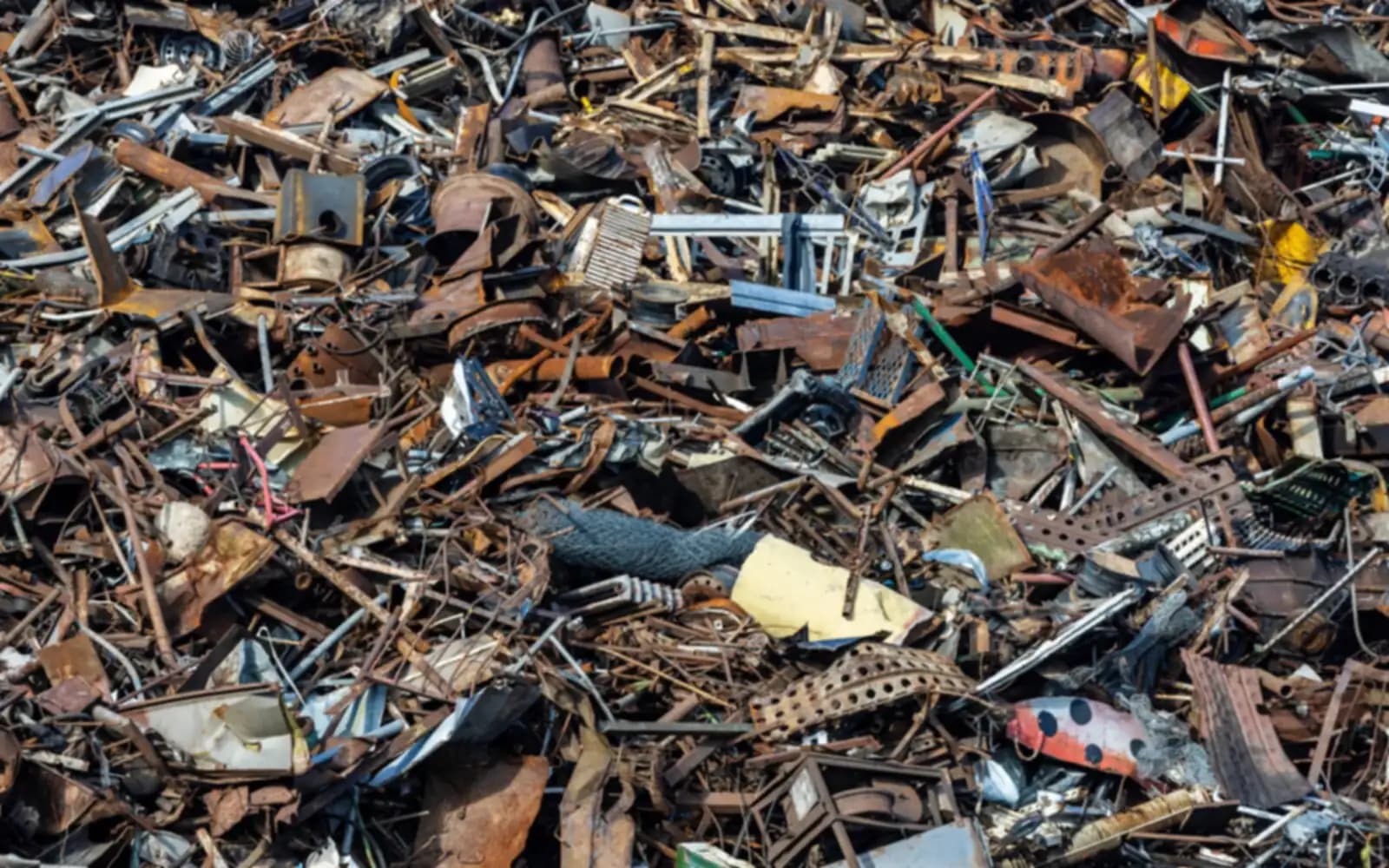
A junk car's starting value comes down to how much steel is actually inside it, because scrap buyers are ultimately paid by the ton for what they recover. Two cars in identical condition but different sizes won't land on the same offer, and weight is the reason why. Everything else — completeness, working parts, local demand — adjusts from that starting point, but weight sets the floor first.
How much do junk yards pay for cars?
There's no single per-ton rate that applies everywhere, so the honest answer is "it depends on the math below." Junkyards pay based on scrap weight first, then adjust for how complete the car is and where the steel market sits that week. A full-size SUV starts with a higher scrap floor than a compact car simply because there's more recoverable steel inside it — before completeness or the current market ever get factored in. Get an instant offer to see what that math adds up to for your specific vehicle.
Why does a car's weight matter at all?
Scrap recycling runs on tonnage. The industrial buyers who purchase crushed and shredded vehicle steel from junkyards pay by weight, and that reality flows backward into what a yard can afford to offer you for a whole car. The more recoverable steel a vehicle has, the higher its scrap floor starts out, before condition or completeness even enter the picture. That's true whether the car runs, doesn't run, or hasn't moved in years. It's also why two very different cars in similar condition can still land at noticeably different numbers, well before anyone starts talking about parts or paperwork.
Why does a full-size SUV beat a compact car, even in the same condition?
A full-size SUV or pickup truck can weigh close to double what a compact sedan weighs, thanks to a heavier frame, larger body panels, and bigger drivetrain components. Picture a full-size Suburban next to a compact Civic, both equally non-running, both sitting in a driveway for the same amount of time. The Suburban still comes out meaningfully ahead on a per-vehicle offer, purely because there's more recoverable steel inside it, not because it's in any better shape. Size drives the baseline number more than most sellers expect.
Does a stripped car still get paid by weight?
Weight is only part of the story once parts start coming out. An engine, transmission, catalytic converter, wiring, and wheels all add both physical weight and separate resale value as used parts. Pull those out, and what's left weighs less and has fewer sellable components at the same time, which is why a stripped shell typically brings in less than the same body left intact, even at an identical size. A complete car beats a stripped one for reasons that stack, not just one.
Does the scrap steel market change what I'm offered?
Scrap steel is a traded commodity, and like any raw material, its price moves over time based on demand from mills and manufacturers. When that underlying rate shifts, it eventually shows up in what a yard can afford to pay for a whole car, since the yard's own margin depends on what it can resell the steel for. That's also part of why the same car can fetch a somewhat different number depending on the week you sell it, even when nothing about the vehicle itself has changed. How scrap metal prices affect your offer, in plain English goes deeper into how that market actually moves and what it means for timing a sale.
Does weight explain the whole offer, or just part of it?
Weight sets the starting point, but it isn't the entire number. Whether the engine still runs, how complete the car is, and which buyer you're talking to all shift things from there, sometimes by more than the weight difference itself. What your junk car is actually worth walks through the fuller breakdown of year, make, model, weight, and condition together.
Where CashMyCarNY fits in
Our instant offer already factors in your car's year, make, and model, which is a big part of what determines its weight and starting value. Get an instant offer in about 60 seconds, no-haggle, whether you're driving a compact car or a full-size truck. We buy cars other buyers pass on — not running, wrecked, rusted, or missing parts — anywhere in New York's 62 counties, with free towing folded into the offer.
Quick answers on weight and pricing
How much do junk yards pay for cars? It depends mostly on scrap weight — heavier cars start with a higher scrap floor — plus how complete the car is and where the steel market sits on the day you sell. There's no single nationwide rate per ton, so an instant offer is the only way to see what that math comes out to for your car.
Does a bigger, heavier car always mean a bigger offer? Usually, when you're comparing cars in similar condition. A heavy truck missing its engine and transmission can still land closer to a smaller, complete car than you'd expect, since completeness matters alongside size.
Do all scrap yards pay the same rate per ton? No. Local demand, a yard's own resale channels, and the current scrap steel market all vary from buyer to buyer, which is part of why comparing more than one offer is worth the extra few minutes.
Is a stripped-down shell worth close to what a complete car of the same size weighs in at? No. Removing the engine, transmission, converter, wiring, and wheels takes out weight and separately sellable parts at the same time, so a stripped shell typically nets less than the same body left whole. Newer or larger vehicles tend to be worth more, and weight is a big reason "larger" matters — but there is no general range worth quoting here, because the number depends on your specific car and that week's scrap market.
Do buyers in rural areas like Jefferson County pay differently for bigger vehicles? The math itself doesn't change by region, but pickup trucks and full-size SUVs are especially common across the North Country, so the size-driven difference in offers shows up often there. We buy across Jefferson County with towing included, so that size difference shows up in the offer rather than in a separate haul fee.
The short version
A junk car's offer starts with scrap weight, since buyers are ultimately paid by the ton for what they recover. A full-size SUV or truck outweighs a compact car by a wide enough margin that it usually shows up in the offer, even in identical condition. Stripping parts out before selling removes weight and resale value at the same time, so complete cars beat stripped shells. Weight sets the floor; condition, completeness, and the buyer's own market shift things from there.
Get your instant offer
Free towing · No hidden fees · No obligation
Frequently Asked
Will you buy a car that failed NY inspection?
Yes. A failed inspection is one of the most common reasons people call us — and the repair estimate is often worth more than the car. We buy it whether it passed or not.
What kinds of cars do you buy?
Just about anything — running or not, wrecked, flooded, rusted out, or missing parts. We make offers on cars that other buyers pass on.
Do I need the title?
Having the title in hand is best — you'll sign it over in the seller section on the back at pickup. If your title is missing, tell us your situation and we'll walk you through what's possible.
How is my offer calculated?
We price your car based on year, make, model, and condition, plus current scrap value that week. Newer and larger vehicles are generally worth more, but there is no typical figure worth quoting — the number depends on your specific car, so get your own instant offer for the real one.
Is towing really free?
Yes — free towing means $0, no hidden fee, anywhere in New York.
How fast can you pick up?
We move quickly once your offer is accepted. Exact timing depends on your location and schedule, so we'll confirm a pickup window with you directly.
What paperwork do I need in NY?
You'll need your signed-over title, and your plates should come off before pickup. New York requires sellers to surrender plates to the DMV before canceling insurance, and the DMV issues an FS-6 receipt for the surrender — we'll walk you through it.
What happens to my plates?
Remove your plates before we arrive for pickup. You'll then surrender them to the DMV and keep the FS-6 receipt as your proof of surrender — check dmv.ny.gov for details on the process.
When and how do I get paid?
You get paid at pickup once the vehicle and paperwork are confirmed — no waiting around for a check in the mail.
We’ll Buy It.
Because when it comes down to it, junk cars are our thing. Anywhere in New York.