Upstate Rust Belt: Buffalo, Rochester, Syracuse Winters and End-of-Life Timing
5 min read · July 13, 2026 · Updated August 8, 2026
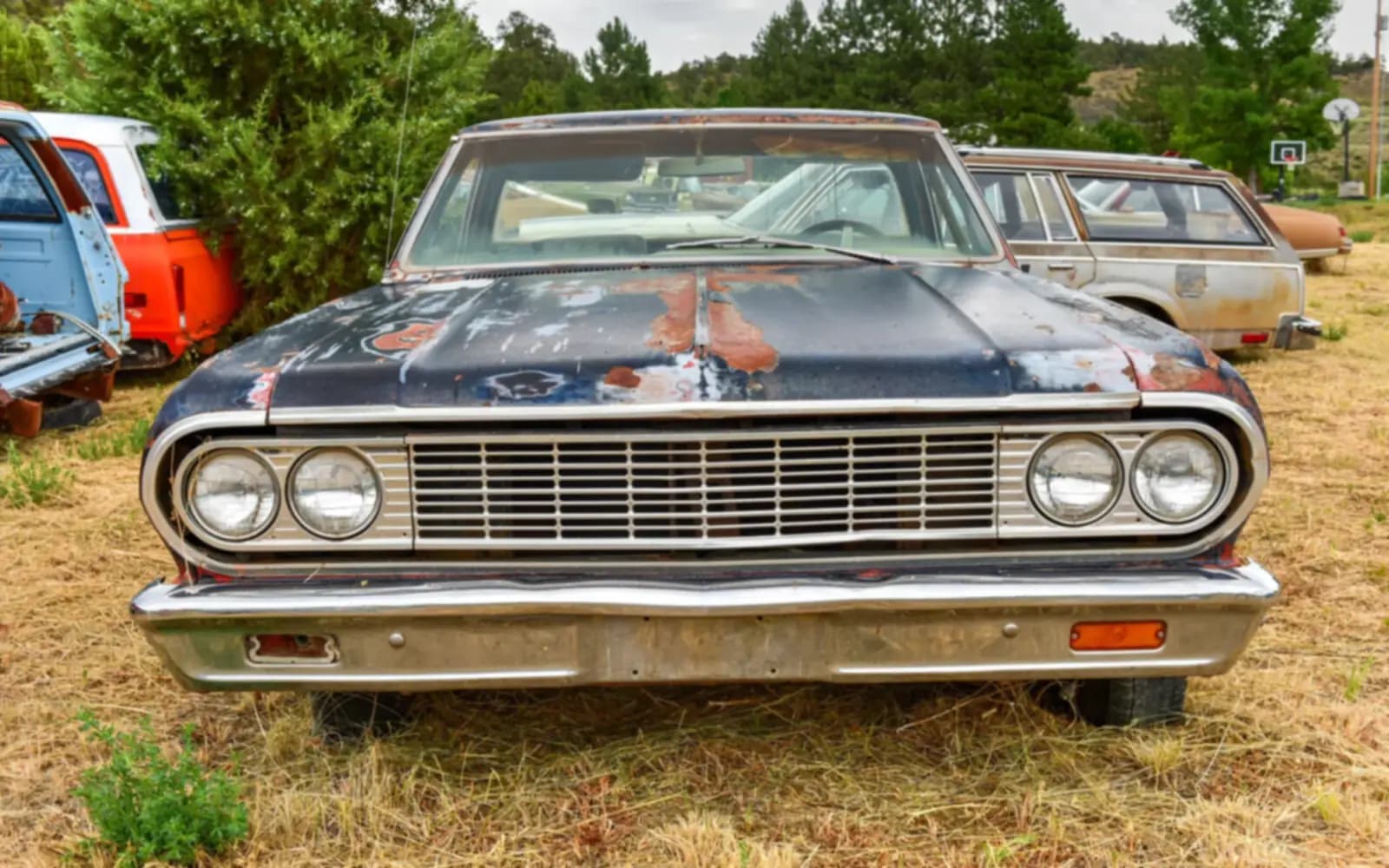
Buffalo, Rochester, and Syracuse cars don't rust because of bad luck — they rust because of how many months a year the roads under them are getting salted and plowed. That's a lake-effect reality tied to Erie and Ontario, not a curse specific to any one driveway. It doesn't change any DMV paperwork or legal threshold; it just tends to move up the timeline on the same sell-or-keep decision every car owner eventually faces. This is informational, not a sales pitch — the point is knowing what you're actually deciding between.
Why lake-effect winters hit these three cities specifically
Buffalo, Rochester, and Syracuse all sit close enough to Lake Erie or Lake Ontario to catch lake-effect snow on top of whatever a regular winter storm brings through, which in practice means more separate snow events, and more separate rounds of road salt, than a lot of the rest of the state sees in the same season. More salting cycles, not any single storm, is what actually accelerates corrosion on the parts of a car you don't see day to day: the frame, the brake lines, the exhaust. None of that is a statistic this page is going to put a number on — the mechanism is well understood even without one.
Rust versus mechanical wear: why the math is different
A blown transmission or a dead engine is a known, fixable-or-not problem you can get a straight repair quote on. Rust is slower and less predictable — it can sit invisible under a floor pan for years before it shows up as a failed brake line or a frame that won't pass inspection. Our guide on road salt, rust, and your car's lifespan covers the mechanics of how that corrosion actually progresses underneath a car over time. That unpredictability is exactly why "one more winter" is a harder call to make than a repair-or-replace decision on a part you can actually see.
Does where you sell change what you're offered?
Location affects a junk car offer for reasons that have nothing to do with rust specifically — distance, local scrap demand, and regional logistics all play into it, and a heavier car generally carries more scrap weight value than a lighter one regardless of which part of the state it's sitting in. Our breakdown of why location changes a junk car offer, Bronx versus Buffalo walks through that difference directly. A car garaged near our Monroe County page isn't priced on a different scale because of rust alone — a rust-damaged car and a mechanically sound one were never going to be priced the same to begin with, regardless of which part of the state either one is sitting in.
Catalytic converters: another cost that stacks on top of rust
Rust isn't the only pressure pushing an older car toward its end. New York classified catalytic converters as a "major component part" under a 2022 law, which now requires dismantlers to keep records and report the converters they take in every 60 days. Replacing a stolen converter runs $2,000 to $3,000, based on figures the Governor's office cited when the law passed — a real number worth knowing if a rust-weakened undercarriage ever makes a car an easier target. Between corrosion and converter theft, the pressure on an aging car in this part of the state comes from more than one direction at once.
The "one more winter?" decision
At some point almost every owner of an aging car up here asks the same question heading into November: patch what's failing and get one more season out of it, or call it now before the next round of salt makes the decision for you. There's no invented rule of thumb this page is going to hand you for that call — every car's actual condition is different, and guessing at a number would be worse than saying nothing. What's true either way is that the decision doesn't get easier by waiting; a car already showing rust-related inspection trouble in October isn't likely to improve by March.
A car that sat in a garage versus one that didn't
Two cars of the same age and mileage can age completely differently up here depending on nothing more than where they spent their winters. One kept in a garage near our Erie County page might see a fraction of the salt exposure of an identical car parked on the street two towns over. That's not a reason to assume a garaged car is immune. It's a reason the same year, make, and model can show up in wildly different condition once someone actually looks underneath.
Where CashMyCarNY fits in
We buy cars other buyers pass on — not running, wrecked, flooded, rusted, missing parts — which covers a lot of what a hard upstate winter leaves behind. Towing is free anywhere in New York, folded into the offer and never billed back to you, whether the car is in Buffalo, Rochester, Syracuse, or anywhere between. An instant offer takes about 60 seconds with no haggling, and how the pickup process works is the same across all 62 counties — we know the area, the routes, and the rules, upstate included.
Quick answers
Does road salt really damage a car faster than normal wear? Yes, through a different mechanism than mileage-based wear. Repeated salt exposure corrodes the frame, brake lines, and exhaust from underneath, often before it's visible anywhere you'd normally look.
Is a rusted frame more serious than rusted body panels? Generally, yes. Surface rust on a panel is mostly cosmetic, while frame, brake-line, or exhaust corrosion affects safety and inspection outcomes — the kind of damage that tends to force the sell-or-keep decision sooner.
Should I wait until spring to sell a rust-damaged car? There's no fixed rule that waiting helps. Rust doesn't pause over the winter, so a car with a rust-related problem in the fall is unlikely to be in better shape by spring.
Does the same lake-effect exposure apply near our Onondaga County page as it does in Buffalo? Yes. Syracuse sits in its own lake-effect band off Lake Ontario, so a car near our Onondaga County page faces the same kind of repeated salt-and-plow exposure as one in Buffalo or Rochester — the mechanism doesn't change, only the specific storm track does.
The short version
Buffalo, Rochester, and Syracuse cars tend to rust faster because of how many lake-effect snow-and-salt cycles they go through each winter, not because of anything unusual about any one car. That corrosion is slower and less predictable than mechanical wear, which is what makes the "one more winter?" decision harder than a plain repair call. Catalytic converter theft adds its own cost on top, with replacement running $2,000 to $3,000. Where you're located changes what a junk car offer looks like for reasons separate from rust entirely. None of that is a legal deadline — it's a timing decision, and it doesn't get easier by putting it off.
Get your instant offer
Free towing · No hidden fees · No obligation
Frequently Asked
Will you buy a car that failed NY inspection?
Yes. A failed inspection is one of the most common reasons people call us — and the repair estimate is often worth more than the car. We buy it whether it passed or not.
What kinds of cars do you buy?
Just about anything — running or not, wrecked, flooded, rusted out, or missing parts. We make offers on cars that other buyers pass on.
Do I need the title?
Having the title in hand is best — you'll sign it over in the seller section on the back at pickup. If your title is missing, tell us your situation and we'll walk you through what's possible.
How is my offer calculated?
We price your car based on year, make, model, and condition, plus current scrap value that week. Newer and larger vehicles are generally worth more, but there is no typical figure worth quoting — the number depends on your specific car, so get your own instant offer for the real one.
Is towing really free?
Yes — free towing means $0, no hidden fee, anywhere in New York.
How fast can you pick up?
We move quickly once your offer is accepted. Exact timing depends on your location and schedule, so we'll confirm a pickup window with you directly.
What paperwork do I need in NY?
You'll need your signed-over title, and your plates should come off before pickup. New York requires sellers to surrender plates to the DMV before canceling insurance, and the DMV issues an FS-6 receipt for the surrender — we'll walk you through it.
What happens to my plates?
Remove your plates before we arrive for pickup. You'll then surrender them to the DMV and keep the FS-6 receipt as your proof of surrender — check dmv.ny.gov for details on the process.
When and how do I get paid?
You get paid at pickup once the vehicle and paperwork are confirmed — no waiting around for a check in the mail.
We’ll Buy It.
Because when it comes down to it, junk cars are our thing. Anywhere in New York.