Totaled by Insurance — Can I Still Sell the Car?
5 min read · June 22, 2026 · Updated August 15, 2026
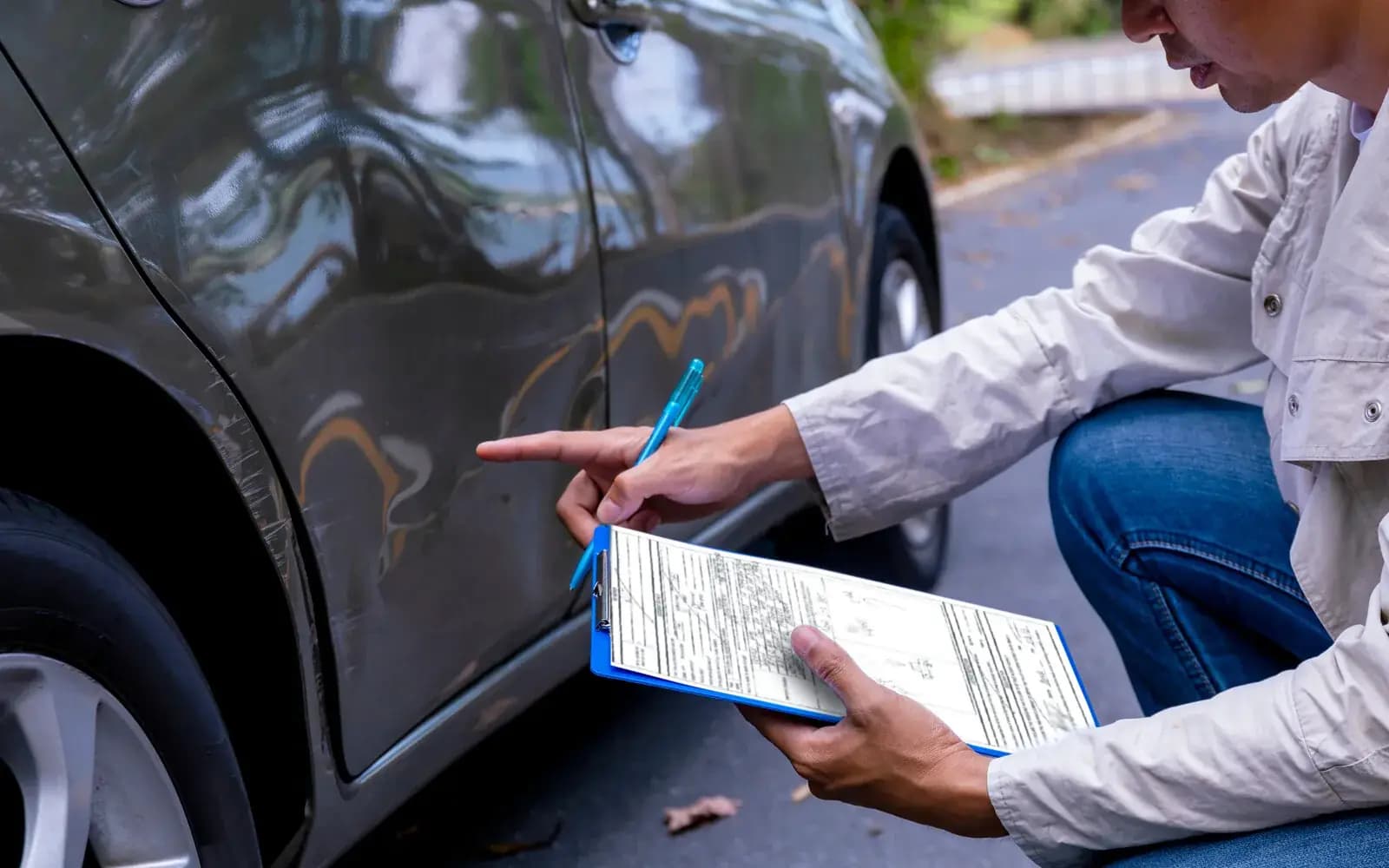
Getting a total-loss letter from an insurance company is a financial decision about a claim, not a legal order to stop owning or selling the car. Depending on which path you and the insurer take, you either hand the car over and walk away with a settlement, or you keep the car and can still sell it later, just with different paperwork attached. Either way, "totaled" is not the same thing as "impossible to sell," even though the letter can read that way at first.
What does "totaled" actually mean?
An insurer declares a car a total loss when the damage cost — measured against New York's own salvage standard — runs more than 75% of the car's pre-damage retail value. That's the same threshold behind New York's MV-907A salvage certificate, described directly on the DMV's salvage vehicle page. A car can look driveable and still cross that line, because the number that matters is the repair estimate against the car's value, not how bad the damage looks from the driver's seat.
That's why two cars with visibly similar damage can land on different sides of the total-loss line — an older, lower-value car needs far less dollar damage to hit 75% of its worth than a newer one does. Total loss is a math outcome, not a description of how wrecked the car looks, and it's the same DMV-defined comparison regardless of which insurance company is writing the check.
What happens when your car is totaled but still drivable
Being able to drive a car home doesn't tell you anything about whether it's totaled. The total-loss call in New York is entirely a comparison of repair cost against the car's pre-damage value, not a judgment about whether the engine still runs or the car limps along fine. Damage in the areas that number crunches hardest — frame, airbags, major systems — can push a car past that 75% threshold and still leave it starting every morning. That's the disconnect that catches a lot of owners off guard: the letter says "total loss," the car is sitting in the driveway looking driveable, and the two facts aren't actually in conflict.
Once the total-loss call is made, the car's paperwork changes even though its ability to move around a parking lot hasn't. Whether and how you can keep using it from that point forward is governed by New York's salvage-title rules — covered on the DMV's salvage vehicle page — not by how the car happens to drive. If you're trying to figure out what you can do with your specific car right now, that page is the source to check rather than guessing from how it feels behind the wheel.
If the settlement figure itself is what you are weighing, how to get the most money from insurance for a totaled car covers what actually moves that number.
Do you have to give the car to the insurance company?
No, not always. There are two common paths once a car is declared a total loss:
- The insurer keeps the car. You take the settlement, the insurer takes possession, and that's the end of your involvement with the vehicle.
- You keep the car. This is sometimes called owner-retained salvage — the settlement gets adjusted to account for the car's remaining value, and the car itself falls under New York's salvage-certificate rules from that point forward.
Which path is available depends on your insurer and your policy, so it's worth asking directly rather than assuming only one option exists. Neither path is automatic, and nobody but your insurer can tell you which settlement number applies to your claim or whether keeping the car is even on the table for your situation. This decision usually gets made early in the claims process, once an adjuster has already inspected the car and run the repair-cost comparison against its value. Some insurers default to taking the car unless you specifically ask to retain it; others list owner-retained salvage as a standard option on the settlement paperwork itself. Either way, it's usually a choice worth raising directly if nobody mentions it first.
Can I sell it myself once I keep it?
Yes. Once you've kept the car as owner-retained salvage, it's yours to sell, the same as any other salvage-branded vehicle. What a junk car is actually worth at that point reflects the car's condition and paperwork as they stand now, not what the car would have sold for before the accident. That gap can be significant, and it's normal — a salvage-branded car simply sells into a different market than a clean-titled one, with buyers who already expect and price in that kind of history. Buyers who deal in salvage-branded cars price for exactly this situation, so there's no need to fix anything before finding out what the car is worth as it sits. None of this requires putting the car through a rebuilt-title process first, either — that path exists for someone who wants the car back on the road eventually, not as a prerequisite for selling it to a buyer who deals in exactly this condition.
One scope note worth being direct about: all of this describes what happens after a total-loss decision has already been made. If your claim is still open and no total-loss call has been issued yet, the questions are different — what you can do with the car, and what the insurer expects from you in the meantime, depend on the claim itself, and the answers here don't necessarily apply until that decision is final. That's a real and common situation — plenty of owners start asking these questions the moment an adjuster mentions the word "total loss," well before any paperwork is settled — but it deserves its own separate answer rather than a shortcut here. Our guide on selling a car while the insurance claim is still open covers that earlier stage directly.
Where CashMyCarNY fits in
Once a car has been declared a total loss and you've decided selling makes more sense than anything else, CashMyCarNY buys cars other buyers pass on, including wrecked ones, and walks you through whatever DMV paperwork comes with a salvage-branded car. Getting an instant offer takes about 60 seconds, towing is free anywhere in New York and folded into the offer, and payment happens at pickup.
Quick answers
Can I keep my totaled car instead of handing it to the insurance company? Often, yes — this is usually called owner-retained salvage. The settlement gets adjusted for the car's remaining value, and the car then carries New York's salvage-certificate paperwork going forward, rather than a standard title.
Why was my car totaled if the damage doesn't look that bad? Because the decision is based on repair cost against the car's value, not how the damage looks. Once that repair estimate passes 75% of what the car was worth, it typically gets declared a total loss regardless of appearance, and older or lower-value cars cross that line more easily.
Can I sell a totaled car as-is, without repairing it first? Yes. A totaled car can be sold in its current condition — the value reflects the damage and the salvage paperwork, not a repaired, like-new price, and plenty of buyers deal specifically in this kind of car.
Does the total-loss process work differently in Rochester than the rest of New York? No. It's a statewide rule tied to the car's damage and value, not the location, so a car in Monroe County follows the same process as one anywhere else in New York.
If the airbags deployed, is the car totaled? Not automatically, but it makes it more likely. Airbag replacement is expensive, and that cost gets added into the repair estimate that's weighed against the car's value. On a lower-value car especially, airbag deployment alone can be enough to push that estimate over the 75% threshold, even when the rest of the damage looks minor.
Can you drive a totaled car? It depends on where you are in the process. Before a total-loss decision is finalized, the car is still yours to use as normal. Once it's declared a total loss and carries New York's salvage-certificate paperwork, what you're allowed to do with it on public roads is governed by the DMV's salvage-vehicle rules rather than by whether the car starts — check the DMV's salvage vehicle page for what applies to your car.
The short version
A total-loss declaration is about the insurance math, not a ban on selling the car. Either the insurer takes the car and pays a settlement, or you keep it as owner-retained salvage and can sell it yourself later, carrying New York's salvage-certificate paperwork. The 75% rule is what triggers the total-loss call in the first place, and it's the same rule behind the MV-907A salvage certificate. This covers what happens after that decision is made — not the earlier, still-open-claim stage — so if your claim hasn't been resolved yet, treat this as background rather than a final answer. Either way, the paperwork trail is what changes once a car is totaled, not your right to sell it.
Get your instant offer
Free towing · No hidden fees · No obligation

Frequently Asked
Will you buy a car that failed NY inspection?
Yes. A failed inspection is one of the most common reasons people call us — and the repair estimate is often worth more than the car. We buy it whether it passed or not.
What kinds of cars do you buy?
Just about anything — running or not, wrecked, flooded, rusted out, or missing parts. We make offers on cars that other buyers pass on.
Do I need the title?
Having the title in hand is best — you'll sign it over in the seller section on the back at pickup. If your title is missing, tell us your situation and we'll walk you through what's possible.
How is my offer calculated?
We price your car based on year, make, model, and condition, plus current scrap value that week. Newer and larger vehicles are generally worth more, but there is no typical figure worth quoting — the number depends on your specific car, so get your own instant offer for the real one.
Is towing really free?
Yes — free towing means $0, no hidden fee, anywhere in New York.
How fast can you pick up?
We move quickly once your offer is accepted. Exact timing depends on your location and schedule, so we'll confirm a pickup window with you directly.
What paperwork do I need in NY?
You'll need your signed-over title, and your plates should come off before pickup. New York requires sellers to surrender plates to the DMV before canceling insurance, and the DMV issues an FS-6 receipt for the surrender — we'll walk you through it.
What happens to my plates?
Remove your plates before we arrive for pickup. You'll then surrender them to the DMV and keep the FS-6 receipt as your proof of surrender — check dmv.ny.gov for details on the process.
When and how do I get paid?
You get paid at pickup once the vehicle and paperwork are confirmed — no waiting around for a check in the mail.
We’ll Buy It.
Because when it comes down to it, junk cars are our thing. Anywhere in New York.