Blown Head Gasket: Is the Car Worth Anything?
5 min read · June 18, 2026 · Updated July 15, 2026
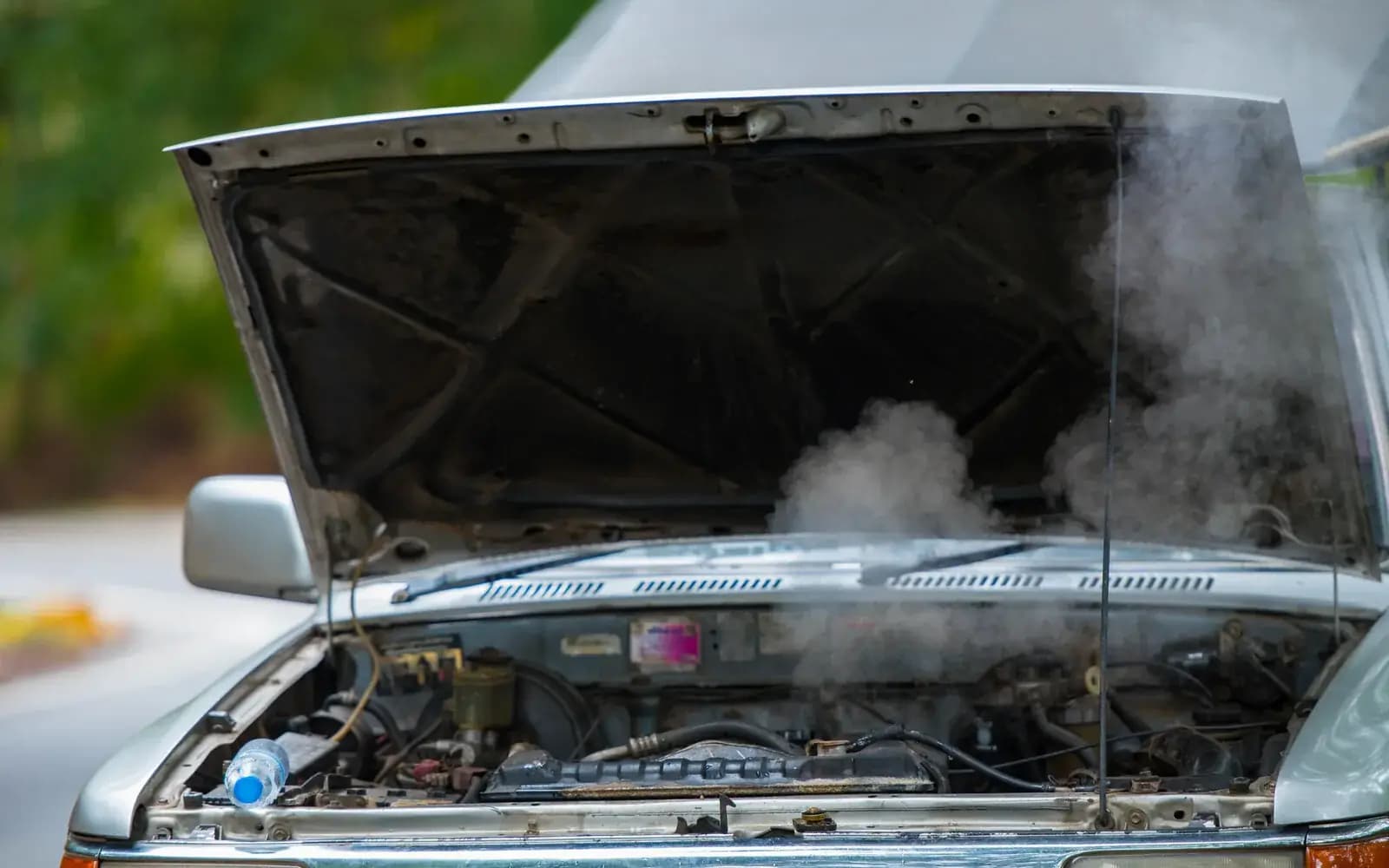
A blown head gasket doesn't erase a car's value. It's a narrower, often cheaper problem than a failed engine or a dead transmission, even though the symptoms — white smoke, overheating, a rough idle — can sound just as alarming. The gasket itself is a thin seal between the engine block and the cylinder head; when it fails, coolant and oil can mix or compression can leak, but the engine underneath it is frequently still intact.
What makes a head gasket different from a blown engine
A lot of sellers hear "head gasket" and assume the whole engine is done. It usually isn't. A blown head gasket is a specific, contained failure — not the same thing as a cracked block, a seized engine, or a transmission that's given out entirely. The gasket can often be replaced without replacing the engine around it, which is a very different repair than the ones our repair-vs-sell math guide walks through for a fully blown engine or a dead transmission.
That distinction matters for value. A car with a contained, identifiable problem is easier for a buyer to price than one where nobody's sure yet how far the damage goes.
How do I know if it's really the head gasket?
Milky, discolored oil on the dipstick, white exhaust smoke, an engine that overheats faster than it used to, or coolant disappearing with no visible leak are the usual signs — but symptoms alone don't confirm a diagnosis. A mechanic can pressure-test the cooling system or check for combustion gases in the coolant to confirm it's actually the gasket and not a cracked head or block underneath it, which is a bigger and more expensive problem. Getting that confirmed before you decide anything is worth the diagnostic fee on its own.
Is it worth fixing?
That's the same question as any other repair decision, and it uses the same method: compare a real shop estimate against the gap between what the car's worth running well and what it's worth as-is. What a junk car is actually worth breaks down how that as-is number gets built in the first place. Head gasket repair costs vary widely depending on the engine — some are a simple job, others require pulling components that make the labor bill climb fast — so there's no single number that applies to every car. Our full repair-vs-sell breakdown walks through that three-number comparison in detail, with a worked example.
Does driving on it make things worse?
A car with a blown head gasket that's still driven, especially any distance, risks turning a gasket-only repair into a much bigger one — overheating can warp the cylinder head, and that's a different repair bill entirely. If the car's overheating or losing coolant, the safer move is to stop driving it and get it looked at or picked up, rather than pushing miles onto a car with a compromised cooling system.
Where CashMyCarNY fits in
CashMyCarNY buys cars other buyers pass on, blown head gasket included — running rough, overheating, or not running at all. Get an instant offer in about 60 seconds with no haggling, and if the car matches what you described, the price doesn't change once the driver shows up. Towing is free anywhere in New York, so a car you don't want to risk driving doesn't have to move under its own power at all. How the pickup process works covers the rest.
Quick answers
How can I tell if it's the head gasket and not something worse? A mechanic can confirm it with a cooling-system pressure test or a check for combustion gases in the coolant. Symptoms alone — white smoke, milky oil — point toward a head gasket, but they don't rule out a cracked head or block underneath it.
Is it safe to drive the car to a buyer with a blown head gasket? Not if it's overheating or losing coolant. That risk turns a smaller repair into a bigger one fast, and it's exactly the kind of situation free towing exists for — the car doesn't need to move under its own power.
Does a blown head gasket always mean the whole engine is failing? No. It's a specific, contained part of the engine, not the engine itself. Plenty of cars with a blown head gasket still have a fundamentally sound engine underneath the leak.
Does the value math change for a car in Syracuse versus the rest of New York? No. What a head gasket problem does to a car's value works the same in Onondaga County as it does statewide — the repair-vs-value comparison isn't a regional one.
The short version
A blown head gasket sounds worse than it usually is — it's a contained, specific failure, not proof the whole engine is finished. Get it actually diagnosed before assuming the size of the repair, since symptoms alone can't rule out worse damage underneath. If the repair estimate outweighs what the car's worth once it's fixed, selling as-is is usually the better math, using the same comparison that applies to any other costly repair. If it's overheating right now, stop driving it and get it picked up instead.
Get your instant offer
Free towing · No hidden fees · No obligation

Frequently Asked
Will you buy a car that failed NY inspection?
Yes. A failed inspection is one of the most common reasons people call us — and the repair estimate is often worth more than the car. We buy it whether it passed or not.
What kinds of cars do you buy?
Just about anything — running or not, wrecked, flooded, rusted out, or missing parts. We make offers on cars that other buyers pass on.
Do I need the title?
Having the title in hand is best — you'll sign it over in the seller section on the back at pickup. If your title is missing, tell us your situation and we'll walk you through what's possible.
How is my offer calculated?
We price your car based on year, make, model, and condition, plus current scrap value that week. Newer and larger vehicles are generally worth more, but there is no typical figure worth quoting — the number depends on your specific car, so get your own instant offer for the real one.
Is towing really free?
Yes — free towing means $0, no hidden fee, anywhere in New York.
How fast can you pick up?
We move quickly once your offer is accepted. Exact timing depends on your location and schedule, so we'll confirm a pickup window with you directly.
What paperwork do I need in NY?
You'll need your signed-over title, and your plates should come off before pickup. New York requires sellers to surrender plates to the DMV before canceling insurance, and the DMV issues an FS-6 receipt for the surrender — we'll walk you through it.
What happens to my plates?
Remove your plates before we arrive for pickup. You'll then surrender them to the DMV and keep the FS-6 receipt as your proof of surrender — check dmv.ny.gov for details on the process.
When and how do I get paid?
You get paid at pickup once the vehicle and paperwork are confirmed — no waiting around for a check in the mail.
We’ll Buy It.
Because when it comes down to it, junk cars are our thing. Anywhere in New York.