Blown Engine or Dead Transmission: The Repair-vs-Sell Math
6 min read · June 16, 2026 · Updated August 8, 2026
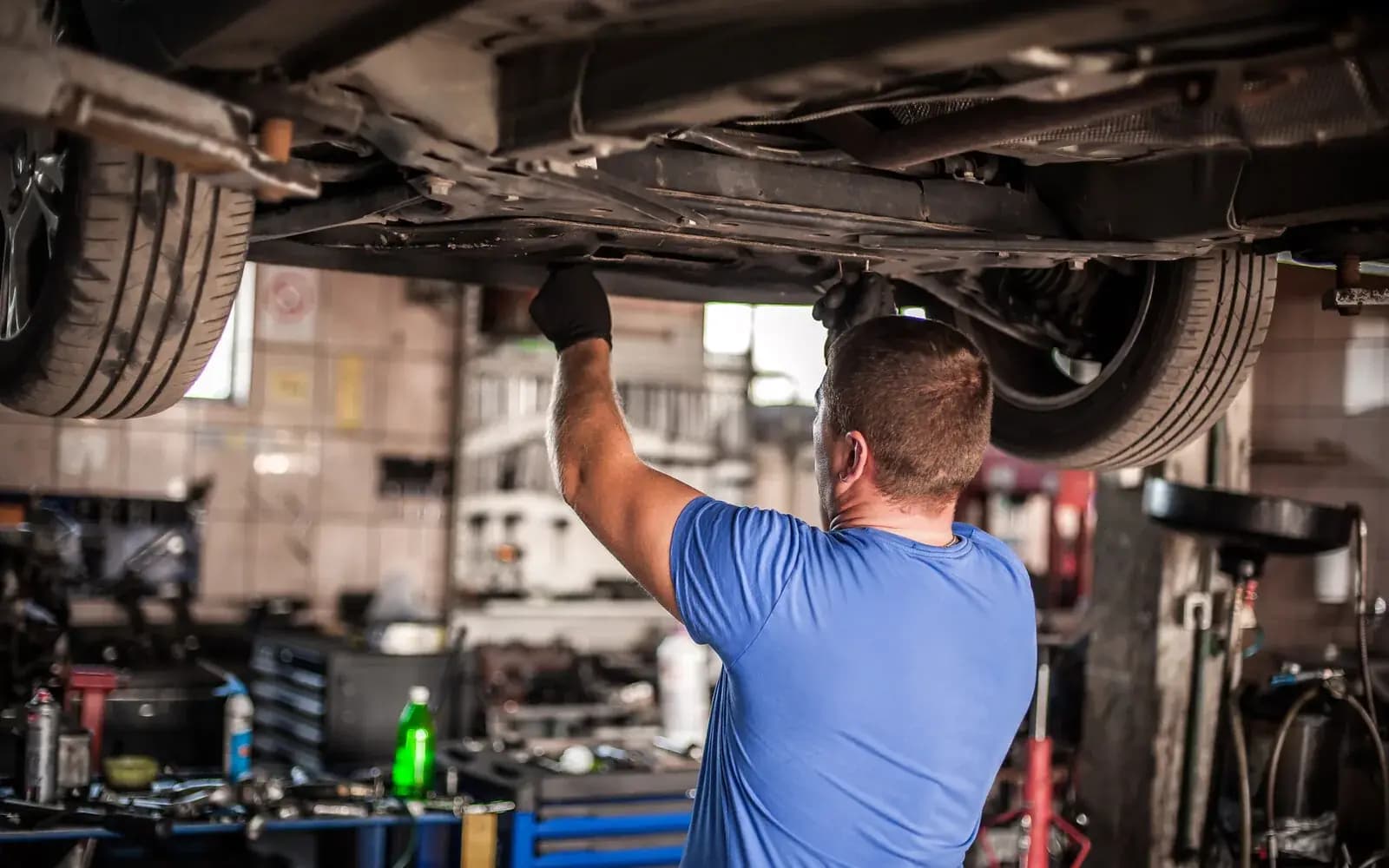
When a repair estimate for a blown engine or a dead transmission comes back higher than the car is worth running well, selling as-is usually beats paying for the fix. A repair rarely adds its own cost back into the car's resale value once that repair costs more than the car itself is worth. The real question isn't whether the car can be fixed — almost anything can be, for enough money — it's whether the bill still makes sense next to what the car is worth once the work is done. The same comparison applies when the failed part is a hybrid or EV's battery pack instead of an engine or transmission — see selling a hybrid or EV with a dead battery in NY for that version of the math.
How much does it actually cost to fix a blown engine or a dead transmission?
Industry repair guides put transmission repair costs at roughly $800 to $3,500, and a full transmission replacement at $1,000 to $3,000 in parts plus $500 to $1,500 in labor, depending on the vehicle and the shop doing the work. A rebuild tends to land toward the lower end of that range because it reuses the transmission's case and some internal parts; a full replacement costs more because the whole unit gets swapped out. Neither number is a quote for your car specifically — nobody can price a repair without looking at it, and none of this is pricing for what a buyer would pay for the car as it sits. A shop estimate is the only number that reflects your actual car.
Blown engines are harder to put one range on. Cost swings enormously by engine type, whether it's a rebuild or a full replacement, whether a used or new engine goes in, and local labor rates, so there isn't one reliable industry-wide figure the way there is for transmissions. What doesn't change is the logic: get a real number from a shop, then weigh it against what the car is worth, both healthy and as-is.
Does fixing it ever pay for itself?
Rarely, once the estimate climbs past what the car is worth. Repair-cost guides describe the same pattern over and over: money spent on a repair that costs more than the car's value doesn't come back in resale or trade-in value. A buyer of a used car with 120,000 miles on it isn't paying extra because the transmission happens to be new — they're paying for the car as a whole, age and mileage included.
You're not restoring value at that point — you're spending more than the car will ever be worth again, to keep a car that's still old, still has other parts wearing out, and still isn't worth more than it was the day before the engine or transmission failed. A new transmission doesn't make an old car new. The break-even point is the car's value, not the size of the repair bill.
What are the three numbers that actually matter?
Three numbers settle this, and none of them come from guessing.
- The repair estimate — from a shop that has actually looked at the car, not a guess based on symptoms over the phone.
- The healthy-car value — what the car would be worth if the engine or transmission worked fine, given its age, mileage, and condition otherwise.
- The as-is value — what a buyer will pay for the car exactly as it sits, whether it still runs or not.
Compare the repair estimate to the gap between the healthy value and the as-is value — not to the healthy value by itself. If the repair costs more than that gap, the money spent fixing the car is money it will never hand back. That's the whole test, and it works the same whether the number in question is $900 or $3,000.
A quick example
Say a car would be worth around $4,000 running well, and a shop quotes $2,600 to rebuild the transmission — solidly inside the $800–$3,500 range industry guides cite. If that same car, with its dead transmission, is worth $1,200 as-is, the gap between healthy and as-is value is $2,800. A $2,600 repair bill against a $2,800 gap is close enough that other factors — how long you plan to keep the car, what else might need work soon — start to matter as much as the math alone. Now change one number: if the repair quote comes in at $3,400 instead, it's already bigger than the entire gap, and the decision stops being close at all. These are illustrative figures, not a quote for any specific car — the point is how the comparison works, not what your car will actually cost to fix.
Getting the third number
The as-is value is the hardest of the three to pin down on your own, since it depends on today's scrap and parts market, not last year's price guide. Getting an instant offer puts a real number on it in about a minute, with nothing owed for asking — worth doing even before calling a repair shop, so you know exactly what you're protecting by fixing the car instead of guessing. What a junk car is actually worth breaks down how that number gets built.
Where CashMyCarNY fits into the math
CashMyCarNY buys cars other buyers pass on, including ones that don't run at all — a blown engine or a dead transmission included. An instant offer takes about 60 seconds with no back-and-forth haggling once it's given. Towing is free anywhere in New York and folded into the offer, so it's never billed back to you — the driver comes to you, running or not. If the car matches what you described, the price doesn't change once the driver shows up, and you're paid at pickup. How the pickup process works covers the rest, including what to expect the day the tow truck arrives.
Quick answers
Does a blown transmission hurt resale value more than a blown engine? Both push the car into the same territory — running-or-not stops being the main factor, and what's left is scrap and parts value. Neither failure by itself makes the car worthless; it just moves the math from healthy-car pricing to as-is pricing, the same three-number comparison either way.
Does a working engine or transmission add to a junk car's value? Generally, yes — working major parts are worth more to a buyer than dead ones, since they can be reused or resold. But a bad engine or transmission doesn't erase the rest of the car's value. The frame, the parts around it, and the scrap metal are still worth something on their own, even with one major system down.
Is a car with a blown head gasket worth anything? Yes. A blown head gasket is a repair-cost problem, not a value-eraser, and the same three-number math applies: compare the repair estimate to the gap between the healthy and as-is values, rather than assuming the worst about what's left of the car.
Does it matter whether the car is in Buffalo or somewhere else in New York? No. The math works the same in Erie County as it does anywhere else in the state — a repair estimate that outweighs the car's value points toward selling either way, regardless of ZIP code.
The short version
A blown engine or a dead transmission doesn't make a car worthless — it just changes which number matters most. Get a real shop estimate, know what the car would be worth healthy, and get an as-is number from an actual offer instead of a guess. If the repair estimate costs more than the gap between those two values, selling as-is almost always comes out ahead. When the two numbers land close together, other things — how long you'd keep the car, what else is likely to break — start to matter too. That's the whole decision, in three numbers instead of one gut feeling.
Get your instant offer
Free towing · No hidden fees · No obligation

Frequently Asked
Will you buy a car that failed NY inspection?
Yes. A failed inspection is one of the most common reasons people call us — and the repair estimate is often worth more than the car. We buy it whether it passed or not.
What kinds of cars do you buy?
Just about anything — running or not, wrecked, flooded, rusted out, or missing parts. We make offers on cars that other buyers pass on.
Do I need the title?
Having the title in hand is best — you'll sign it over in the seller section on the back at pickup. If your title is missing, tell us your situation and we'll walk you through what's possible.
How is my offer calculated?
We price your car based on year, make, model, and condition, plus current scrap value that week. Newer and larger vehicles are generally worth more, but there is no typical figure worth quoting — the number depends on your specific car, so get your own instant offer for the real one.
Is towing really free?
Yes — free towing means $0, no hidden fee, anywhere in New York.
How fast can you pick up?
We move quickly once your offer is accepted. Exact timing depends on your location and schedule, so we'll confirm a pickup window with you directly.
What paperwork do I need in NY?
You'll need your signed-over title, and your plates should come off before pickup. New York requires sellers to surrender plates to the DMV before canceling insurance, and the DMV issues an FS-6 receipt for the surrender — we'll walk you through it.
What happens to my plates?
Remove your plates before we arrive for pickup. You'll then surrender them to the DMV and keep the FS-6 receipt as your proof of surrender — check dmv.ny.gov for details on the process.
When and how do I get paid?
You get paid at pickup once the vehicle and paperwork are confirmed — no waiting around for a check in the mail.
We’ll Buy It.
Because when it comes down to it, junk cars are our thing. Anywhere in New York.