Where to Sell a Car in New York (Any Condition)
9 min read · August 17, 2026 · Updated August 29, 2026
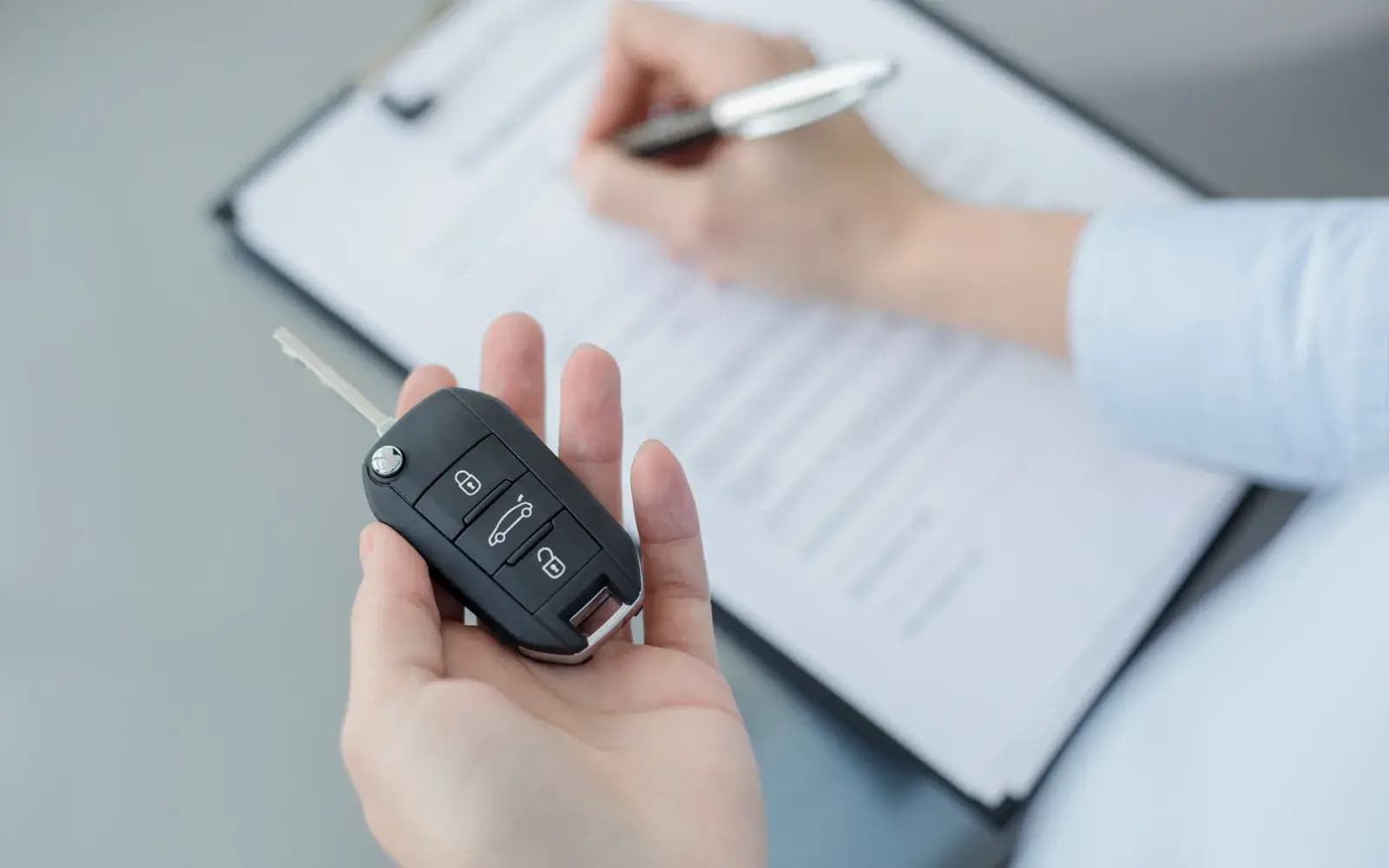
Where to sell your car in New York depends almost entirely on its condition. A car that runs well and looks decent belongs on a marketplace or at a dealer, where its condition earns a real price. A car that's tired, high-mileage, or has a real problem usually does better split between a private buyer and a junk buyer's quote, just to see which number is higher. A car that's non-running, wrecked, or missing a title belongs with a licensed junk buyer, full stop — that's a different post, and a different kind of transaction.
Start with your car's actual condition, not the classifieds
The mistake that costs people money is picking a selling channel first and hoping the car fits it. Someone lists a car with a blown head gasket on a marketplace site, waits three weeks for lowball texts and no-shows, and eventually ends up calling a junk buyer anyway — except now three weeks have passed and the car has sat outside collecting parking tickets. The better order is to be honest about condition first, then pick the channel that's actually built for that condition.
Three tiers cover almost every car in New York:
- Genuinely good condition — starts, drives, passes inspection, no major mechanical issues, clean or clean-ish title.
- Tired but running — starts and drives, but has real mileage, an aging transmission, cosmetic damage, or a repair bill nobody wants to pay.
- Non-running or junk — doesn't start, has frame or flood damage, is missing a title, or would cost more to fix than it's worth.
Each tier has a different best answer, and the answer for one tier is often the wrong answer for another. Age and mileage alone don't sort a car into a tier — a fifteen-year-old car with a documented maintenance history and no leaks can still be "genuinely good condition," while a three-year-old car with a cracked block is squarely in the bottom tier no matter how new it looks in a photo. What actually sorts the car is whether it starts and drives reliably, whether anything major is wrong mechanically, and whether the title is clean and in hand.
It's also worth thinking about how much time you actually have. A private sale can take a few weeks from listing to closed deal, a trade-in adds the time it takes to shop for a replacement car, and a junk buyer can often close in a day or two. If the car is sitting somewhere racking up storage fees, parking tickets, or insurance premiums on a vehicle nobody's driving, that clock is part of the real cost of waiting for a better offer — and it's worth weighing against whatever extra money a slower route might bring in.
A car that's genuinely in good shape
If the car starts every time, drives the way it should, and doesn't have anything expensive wrong with it, a junk buyer is the wrong call — not because junk buyers do anything dishonest, but because their offer is built around scrap weight and resale parts, and a good running car is worth more than that math produces. For this tier, the standard options are:
- A private sale, through a marketplace listing with real photos and an honest description. This usually nets the most money, but it costs time: photographing the car, answering messages, screening buyers, and handling the paperwork yourself.
- A dealer trade-in, if you're buying a replacement car anyway. The dealer's number will usually be lower than a private sale, but the convenience of rolling it into one transaction — and in some cases a sales-tax benefit on the new car — can make up the difference. Dealer trade-in vs. junk buyer for a dead car breaks down when that math favors the dealer and when it doesn't, though that comparison is really written for a car with a real problem — a genuinely good car should be getting real trade-in offers, not junk-buyer offers, in the first place.
- A dealer buyout, some dealers will buy a good car outright even if you're not buying anything from them, particularly if it's a make or model they can move quickly on their own lot.
None of these routes move especially fast. A private sale can take anywhere from a few days to a few weeks depending on price and demand, and even a trade-in requires shopping for the replacement car first. That's the trade-off for the better number: more money, less speed.
A private sale also carries the most legwork of any route, and it's worth going in with eyes open about what that actually means: taking real photos in good light, writing an honest description that doesn't oversell the car, fielding messages from people who never show up, and screening out the handful of scam attempts that show up on almost any listing — overpayment offers, fake cashier's checks, buyers who want to "have someone pick it up" without ever meeting you. None of that is a reason to avoid a private sale for a genuinely good car, since it's still usually the best number available, but it is the reason a private sale takes real time rather than a phone call.
A car that runs but you're tired of dealing with it
This is the tier that causes the most second-guessing, and it's usually a car with real mileage, a transmission that's starting to slip, cosmetic damage from years of city parking, or a repair estimate that's making the owner reconsider the whole relationship. The honest answer here is to get quotes from both directions and compare.
A private sale is still possible, but it takes longer and draws more lowball offers, because buyers can see the wear too. Whether a working engine, a newer battery, or good tires move a junk-market number is useful context even for a car that isn't quite junk yet — it tells you what a buyer on the other end of that offer is actually pricing.
A junk buyer's quote takes minutes, not weeks, and it's worth getting even if you end up going the private-sale route instead — it sets a floor. If the private-sale offers you're getting land below what a junk buyer already quoted you, that tells you something about how the market actually sees the car, regardless of what you hoped it was worth. What a junk car is actually worth explains how that number gets built, so the quote isn't a black box.
A car that's non-running, wrecked, or has no title
This is the tier where "where to sell my car" and "where can I sell my junk car" become the same question, and the honest answer is that it's genuinely a different market than the one above. A car that doesn't start, has frame or flood damage, is missing a title, or would cost more to repair than it's worth isn't going to find a private buyer worth waiting for, and it isn't a fit for a dealer trade-in either — most dealers simply won't take it. This tier belongs with licensed junk buyers, dismantlers, and scrap-focused buyers, and where can I sell my junk car in New York covers that entire lane in depth: which kinds of buyers operate in this space, how to tell a licensed one from an unlicensed one, and what to expect on price and pickup. If your car is genuinely in this condition, that post — not this one — is the one to keep reading.
A related situation falls into this tier too: a car that doesn't run at all still has a market, just not the one a working car has, and it's worth reading that separately if not starting is the whole problem with your car.
Be honest about which tier your car is in
It's worth being direct about this, because it's easy to overestimate a car's condition when you're the one who's been driving it every day. A car with a check-engine light on, a leak nobody's traced, and a hundred and eighty thousand miles on it is not "genuinely good condition" just because it still starts in the morning — it's the middle tier, and pricing it like the top tier just wastes weeks of listing time before the offers land where they were always going to land. The reverse mistake is just as common in the other direction: assuming a car with real mileage but no major mechanical problem is junk, and taking a scrap-level offer for a car that a private buyer would have paid meaningfully more for. Getting the tier right up front is the single biggest lever on how much time this takes and what the car actually nets.
Where CashMyCarNY fits in
If your car has landed in the tired-but-running tier or the non-running/junk tier, getting an instant offer from CashMyCarNY takes about 60 seconds and gives you a real number to compare against whatever else you're considering — a private-sale listing, a dealer trade-in, or another junk buyer's quote. Towing is free anywhere in New York and folded into the offer, and payment happens at pickup, so there's no cost to finding out what your car is worth before deciding which direction to go.
Quick answers
Where's the best place to sell my car in New York? It depends on condition. A genuinely good running car does best on a marketplace listing or a dealer trade-in. A tired but still-running car is worth pricing both ways — a private-sale attempt and a junk buyer's quote — and comparing. A non-running or junk car belongs with a licensed junk buyer.
Is a junk buyer a good option for a car that still runs well? Usually not, if the car is genuinely in good shape. Junk buyers price around scrap weight and parts value, which is typically lower than what a running, presentable car is worth to a private buyer or a dealer.
How fast can I sell a car that's non-running? Much faster than a private sale of a running car. A licensed junk buyer can often quote and schedule pickup within a day or two, since there's no repair, cleaning, or buyer-screening step involved.
Does it matter which part of New York I'm in? Buyer availability and offer levels can vary by area — Bronx vs. Buffalo: why location changes your junk car offer covers why. If you're in Queens specifically, the Queens junk car buyers page lists local coverage directly.
Should I get more than one quote before selling? Yes, especially for the tired-but-running tier. How to compare junk car offers and what free towing really means explains what to actually compare beyond the headline number, since two offers that look similar on paper can pay out very differently.
What if I'm not sure whether my car counts as "junk" or not? Get a junk-buyer quote regardless — it costs nothing and takes minutes, and it gives you a real floor number to measure any private-sale or trade-in offer against, even if you end up not selling to a junk buyer at all.
Get your instant offer
Free towing · No hidden fees · No obligation

Frequently Asked
Will you buy a car that failed NY inspection?
Yes. A failed inspection is one of the most common reasons people call us — and the repair estimate is often worth more than the car. We buy it whether it passed or not.
What kinds of cars do you buy?
Just about anything — running or not, wrecked, flooded, rusted out, or missing parts. We make offers on cars that other buyers pass on.
Do I need the title?
Having the title in hand is best — you'll sign it over in the seller section on the back at pickup. If your title is missing, tell us your situation and we'll walk you through what's possible.
How is my offer calculated?
We price your car based on year, make, model, and condition, plus current scrap value that week. Newer and larger vehicles are generally worth more, but there is no typical figure worth quoting — the number depends on your specific car, so get your own instant offer for the real one.
Is towing really free?
Yes — free towing means $0, no hidden fee, anywhere in New York.
How fast can you pick up?
We move quickly once your offer is accepted. Exact timing depends on your location and schedule, so we'll confirm a pickup window with you directly.
What paperwork do I need in NY?
You'll need your signed-over title, and your plates should come off before pickup. New York requires sellers to surrender plates to the DMV before canceling insurance, and the DMV issues an FS-6 receipt for the surrender — we'll walk you through it.
What happens to my plates?
Remove your plates before we arrive for pickup. You'll then surrender them to the DMV and keep the FS-6 receipt as your proof of surrender — check dmv.ny.gov for details on the process.
When and how do I get paid?
You get paid at pickup once the vehicle and paperwork are confirmed — no waiting around for a check in the mail.
We’ll Buy It.
Because when it comes down to it, junk cars are our thing. Anywhere in New York.