Dealer Trade-In vs. Junk Buyer for a Dead Car
4 min read · July 7, 2026 · Updated August 15, 2026
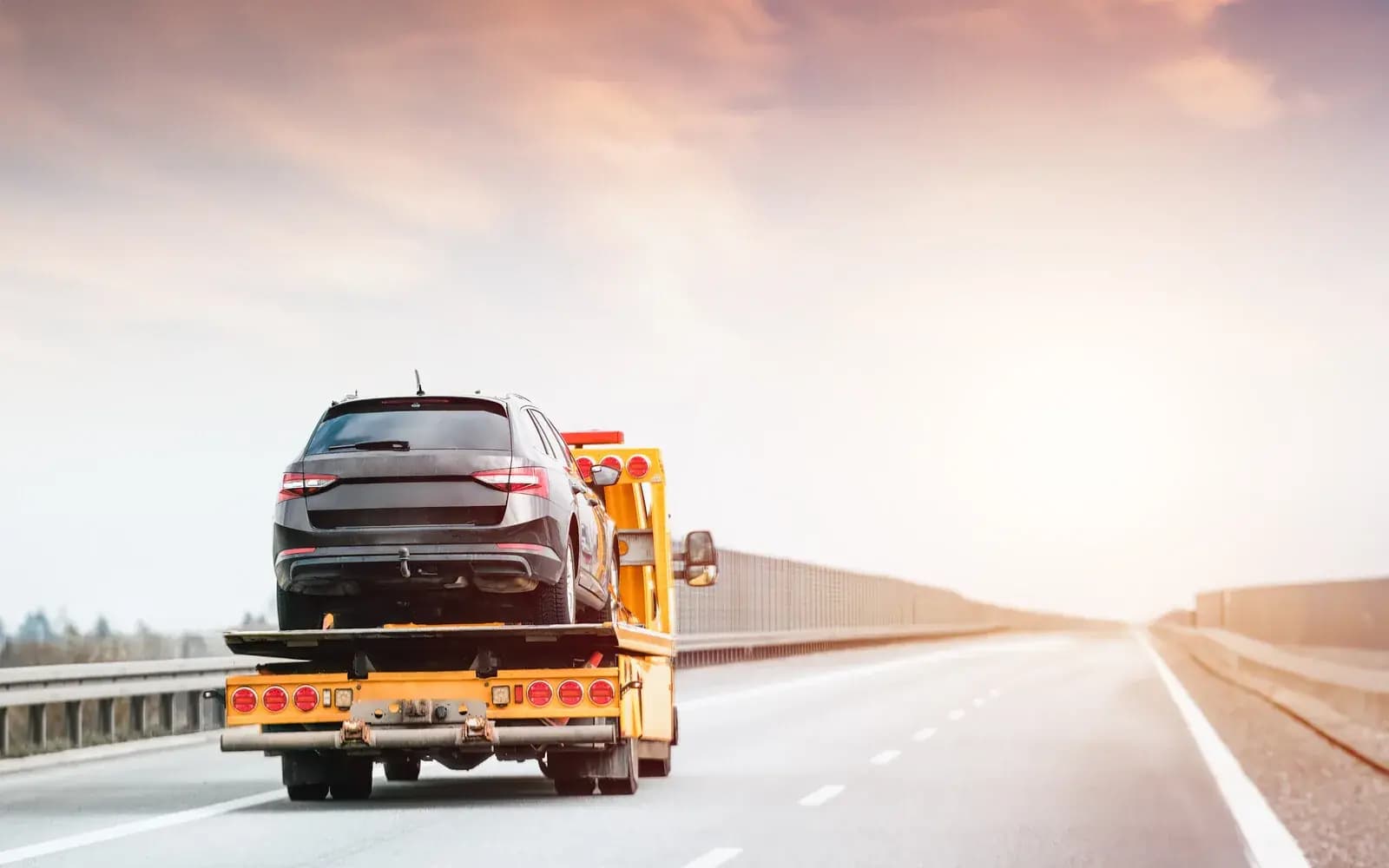
A dealer's trade-in offer on a car that doesn't run is almost always built around what the dealer can wholesale it for, not what the car is actually worth in scrap and parts — which is exactly where a junk buyer's number comes from instead. That difference in starting logic is why the two offers can land so far apart for the same dead car. Neither one is automatically the better deal; which one wins depends on whether you're buying a replacement car at the same time, how the dealer handles a non-running trade, and what you actually end up with in hand once everything is accounted for.
Why dealers often lowball a car that doesn't run
A dealer's lot is built around cars they can recondition and resell, and a car that doesn't run usually can't go there. Instead, it typically gets wholesaled off to an auction, and the trade-in number reflects that wholesale reality, not the value of the working parts or the scrap metal underneath. The number on the trade-in slip is a starting offer built around what's easiest for the dealer, not a full appraisal of what the car is worth. That's not a trick, exactly — it's just a different math than a buyer who specializes in dead cars is running.
How a junk buyer prices the same dead car differently
A junk buyer isn't reselling the car as a car at all, so the number comes from scrap weight and usable parts instead of resale condition. What a junk car is actually worth walks through how that pricing works in more detail, but the short version is that a dead car's value to a junk buyer doesn't depend on whether it runs, only on what's actually inside it.
Where the dealer trade-in can actually come out ahead
There's one real spot a trade-in can win: on a car you're replacing anyway, a trade-in can lower the taxable price of the new vehicle, which a junk buyer's flat check doesn't do. That's potentially real money, but how much depends entirely on your specific deal. Ask the dealer's finance desk to show you both numbers side by side — the trade-in value and the tax effect on the new car — before you compare it to a straight cash offer.
Comparing the two numbers that actually land in your hand
A trade-in number rarely stands alone; it's bundled into financing, fees, and the price of the new car, so it takes more digging to know what it's really worth to you. A junk buyer's offer is simpler to evaluate on its own, but it still deserves the same scrutiny as any offer — how to compare junk car offers covers the towing and fee traps that can quietly shrink a number that looked good on the phone. Compare both as final, real numbers, not headline figures.
If your title isn't ready, which path is more forgiving?
Dealers generally want the title in hand at the time of trade, since it's part of their own paperwork before they can resell or wholesale the car. A junk buyer can often be more flexible about a title that's missing or complicated — see can a junkyard legally buy a car without a title in NY for what's actually possible if that's part of what you're dealing with.
Where CashMyCarNY fits in
If the scrap-and-parts math beats what a dealer's willing to offer on a dead trade, getting an instant offer takes about 60 seconds, no haggling. Towing is free anywhere in New York, folded into the number instead of billed separately, and payment happens at pickup — if the car matches what you described, that number doesn't move once the truck arrives. We buy cars other buyers, dealers included, often pass on: not running, wrecked, rusted, missing parts.
Quick answers
Can I sell my car to a dealership? Some dealerships will buy a car outright even if you're not purchasing a replacement, but that deal often gets less priority than a trade-in bundled with a sale, so the number can be softer. A junk buyer that prices strictly on scrap and parts value is worth comparing before you accept a standalone dealership offer.
Is it better to trade in or sell a car? It depends on whether you're replacing the car. If you are, a trade-in's tax benefit can make it worth more than the number on the slip alone suggests. If you're not, compare the trade-in figure directly against a junk buyer's offer on scrap and parts value — whichever number is actually higher, once fees and financing are accounted for, wins.
Will a dealer take a car that doesn't run as a trade-in at all? Often, yes, but the number is usually built around what the dealer can wholesale it for, not what it would fetch piece by piece. That gap is worth checking before you accept a figure bundled into a new-car deal.
Does trading in really lower the sales tax on my next car? It can. Many dealers structure a trade-in so it reduces the taxable price of the vehicle you're buying, which is real money, though the size of it depends on your specific deal — ask the finance desk to show you both numbers.
Is a junk buyer's offer always lower than a dealer's trade-in? Not always. A junk buyer prices strictly on scrap and parts value, while a dealer's number is wrapped into a bigger purchase, so which one is higher depends on the specific car and deal, not a fixed rule.
Is the dealer-vs-junk-buyer math different in Albany County than downstate? No. Both a dealer's wholesale pricing and a junk buyer's scrap-and-parts pricing work the same way statewide — only which dealers or buyers are nearby changes by county, including in Albany County.
The short version
A dealer's trade-in offer on a dead car is usually built around wholesale value, while a junk buyer prices the same car on scrap and parts — which is why the two numbers can look so different for the same vehicle. The one place a trade-in can actually win is the tax effect on a replacement car, which is worth asking about directly rather than assuming either way. Compare both as real, final numbers, and if your title isn't ready, a junk buyer is often the more forgiving path. Neither option is wrong; the better one depends on your specific deal.
Get your instant offer
Free towing · No hidden fees · No obligation
Frequently Asked
Will you buy a car that failed NY inspection?
Yes. A failed inspection is one of the most common reasons people call us — and the repair estimate is often worth more than the car. We buy it whether it passed or not.
What kinds of cars do you buy?
Just about anything — running or not, wrecked, flooded, rusted out, or missing parts. We make offers on cars that other buyers pass on.
Do I need the title?
Having the title in hand is best — you'll sign it over in the seller section on the back at pickup. If your title is missing, tell us your situation and we'll walk you through what's possible.
How is my offer calculated?
We price your car based on year, make, model, and condition, plus current scrap value that week. Newer and larger vehicles are generally worth more, but there is no typical figure worth quoting — the number depends on your specific car, so get your own instant offer for the real one.
Is towing really free?
Yes — free towing means $0, no hidden fee, anywhere in New York.
How fast can you pick up?
We move quickly once your offer is accepted. Exact timing depends on your location and schedule, so we'll confirm a pickup window with you directly.
What paperwork do I need in NY?
You'll need your signed-over title, and your plates should come off before pickup. New York requires sellers to surrender plates to the DMV before canceling insurance, and the DMV issues an FS-6 receipt for the surrender — we'll walk you through it.
What happens to my plates?
Remove your plates before we arrive for pickup. You'll then surrender them to the DMV and keep the FS-6 receipt as your proof of surrender — check dmv.ny.gov for details on the process.
When and how do I get paid?
You get paid at pickup once the vehicle and paperwork are confirmed — no waiting around for a check in the mail.
We’ll Buy It.
Because when it comes down to it, junk cars are our thing. Anywhere in New York.