Junkyard vs Scrap Yard vs Dismantler: Who's Licensed for What in NY
5 min read · July 9, 2026 · Updated August 8, 2026
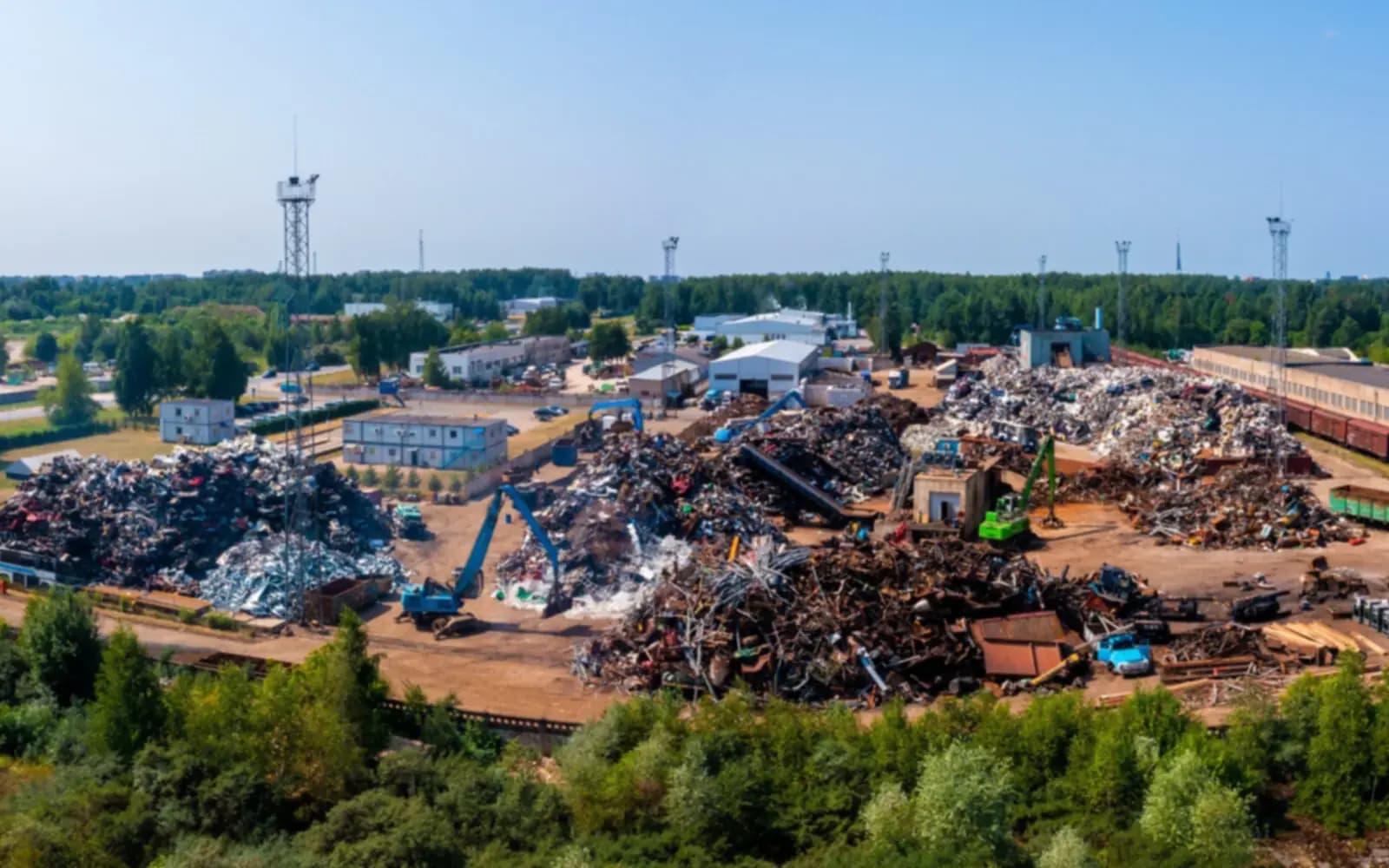
Junkyard, scrap yard, dismantler, self-service yard — New Yorkers use all four terms more or less interchangeably, and in everyday conversation that's fine. Only one of those terms lines up with an actual state registration requirement: a vehicle dismantling facility has to register with New York's Department of Environmental Conservation and file regular reports. The others are common usage, not legal categories. Knowing the difference matters more than it sounds like once you're trying to figure out exactly who you're handing your car to.
Junkyard and scrap yard: common names, not legal categories
"Junkyard" is the catch-all term most people reach for — any lot that takes cars that no longer run. "Scrap yard" leans toward the metal-recycling side of the same business, the place a car ends up once it's being processed for steel rather than resold as parts. Neither term carries its own state license or registration in what New York actually publishes. A business can call itself either one, or both, without that name telling you anything about whether it's actually registered to do what it's doing. Two lots can sit next door to each other, one calling itself a scrap yard and one a junkyard, and the name difference alone won't tell you which one is actually filing reports with the state.
Dismantler: the term that comes with real paperwork
A registered vehicle dismantling facility is a specific category under New York's Department of Environmental Conservation. These facilities have to track and report things like leftover engine and transmission fluids, along with older mercury switches pulled from pre-2003 vehicles, in filings submitted to the state every year. That reporting requirement is the actual regulatory substance behind the word "dismantler." It's the one term in this group that isn't just a sign out front — it comes with paperwork the business has to file whether or not a customer ever asks about it.
What about self-service, pull-your-own-parts yards?
Self-service yards run on a different customer experience — you walk the lot and pull the part yourself instead of having staff do it — but that's a business model, not a separate legal category. Nothing in New York's published guidance carves out a distinct registration track for self-service yards specifically. The question worth asking isn't whether a yard lets you pull your own parts; it's whether the underlying operation is actually doing its dismantling work the way DEC expects, self-service counter or not.
Does DMV license junk car buyers the same way?
New York's DMV has a broader hand in overseeing businesses that buy, sell, or handle vehicles, separate from DEC's specific dismantler registration. There's no single "junk car buyer" license that covers every version of this business the way a driver's license covers driving. That's part of why the name on the sign isn't a reliable shortcut: a buyer can be perfectly legitimate without ever calling itself a "dismantler," and a business can call itself one without actually being registered. Our checklist for verifying a junk car buyer is actually licensed in NY covers the direct questions worth asking before you agree to anything.
Whichever type of yard ends up with your car, they'll still need proof that you actually own it. If that proof is a title you can't find, that's a separate issue — our guide on selling a car without a title in NY covers what's actually possible.
What happens to the car once it's actually gone
Once a car leaves your hands, where it physically goes depends on this same taxonomy: parts get pulled and resold, remaining fluids and mercury switches get reported and handled the way DEC requires, and whatever's left gets shredded for scrap steel. Our page on what happens to your car after we buy it walks through that process end to end, from pickup to the parts counter to the shredder.
Where CashMyCarNY fits in
We only buy cars in New York — all 62 counties, nothing else — so we know which yards and dismantlers in the area are actually equipped to handle a given car. Get an instant offer in about 60 seconds with no haggling, and see how the pickup process works before you commit to anything. Towing is free anywhere in the state, and we come to you whether the car runs or not.
Quick answers
Is a "junkyard" legally different from a "scrap yard" in New York? Not as a matter of state registration — both are common-usage terms. The category that actually carries a state registration requirement is a vehicle dismantling facility, regardless of which sign is on the gate.
What does it actually mean if a business calls itself a "registered dismantler"? It means the facility is registered with New York's DEC and has to report things like end-of-life fluids and mercury switch recovery in filings submitted to the state — not just that it uses cars for parts.
Does a self-service, pull-your-own-parts yard near our Erie County page need the same registration as anywhere else? Yes. The registration expectation follows what the business actually does — dismantling vehicles — not its customer model or its location. A self-service yard near Erie County operates under the same DEC framework as one anywhere else in New York.
Does the name on the sign tell me whether a buyer is licensed? No. "Junkyard," "scrap yard," and "salvage yard" are all names a business can choose freely. Confirming actual registration takes asking directly, not reading the sign.
The short version
Junkyard, scrap yard, dismantler, and self-service yard are mostly interchangeable in everyday conversation, but only "dismantler" lines up with an actual New York registration requirement — DEC registration with reporting on fluids and mercury switches. The name on a business's sign doesn't confirm its actual registration status. Ask directly, or use our checklist for verifying a licensed buyer, before you hand over a car based on a name alone.
Get your instant offer
Free towing · No hidden fees · No obligation
Frequently Asked
Will you buy a car that failed NY inspection?
Yes. A failed inspection is one of the most common reasons people call us — and the repair estimate is often worth more than the car. We buy it whether it passed or not.
What kinds of cars do you buy?
Just about anything — running or not, wrecked, flooded, rusted out, or missing parts. We make offers on cars that other buyers pass on.
Do I need the title?
Having the title in hand is best — you'll sign it over in the seller section on the back at pickup. If your title is missing, tell us your situation and we'll walk you through what's possible.
How is my offer calculated?
We price your car based on year, make, model, and condition, plus current scrap value that week. Newer and larger vehicles are generally worth more, but there is no typical figure worth quoting — the number depends on your specific car, so get your own instant offer for the real one.
Is towing really free?
Yes — free towing means $0, no hidden fee, anywhere in New York.
How fast can you pick up?
We move quickly once your offer is accepted. Exact timing depends on your location and schedule, so we'll confirm a pickup window with you directly.
What paperwork do I need in NY?
You'll need your signed-over title, and your plates should come off before pickup. New York requires sellers to surrender plates to the DMV before canceling insurance, and the DMV issues an FS-6 receipt for the surrender — we'll walk you through it.
What happens to my plates?
Remove your plates before we arrive for pickup. You'll then surrender them to the DMV and keep the FS-6 receipt as your proof of surrender — check dmv.ny.gov for details on the process.
When and how do I get paid?
You get paid at pickup once the vehicle and paperwork are confirmed — no waiting around for a check in the mail.
We’ll Buy It.
Because when it comes down to it, junk cars are our thing. Anywhere in New York.