Is a 20-year-old car automatically junk?
5 min read · June 17, 2026 · Updated August 8, 2026
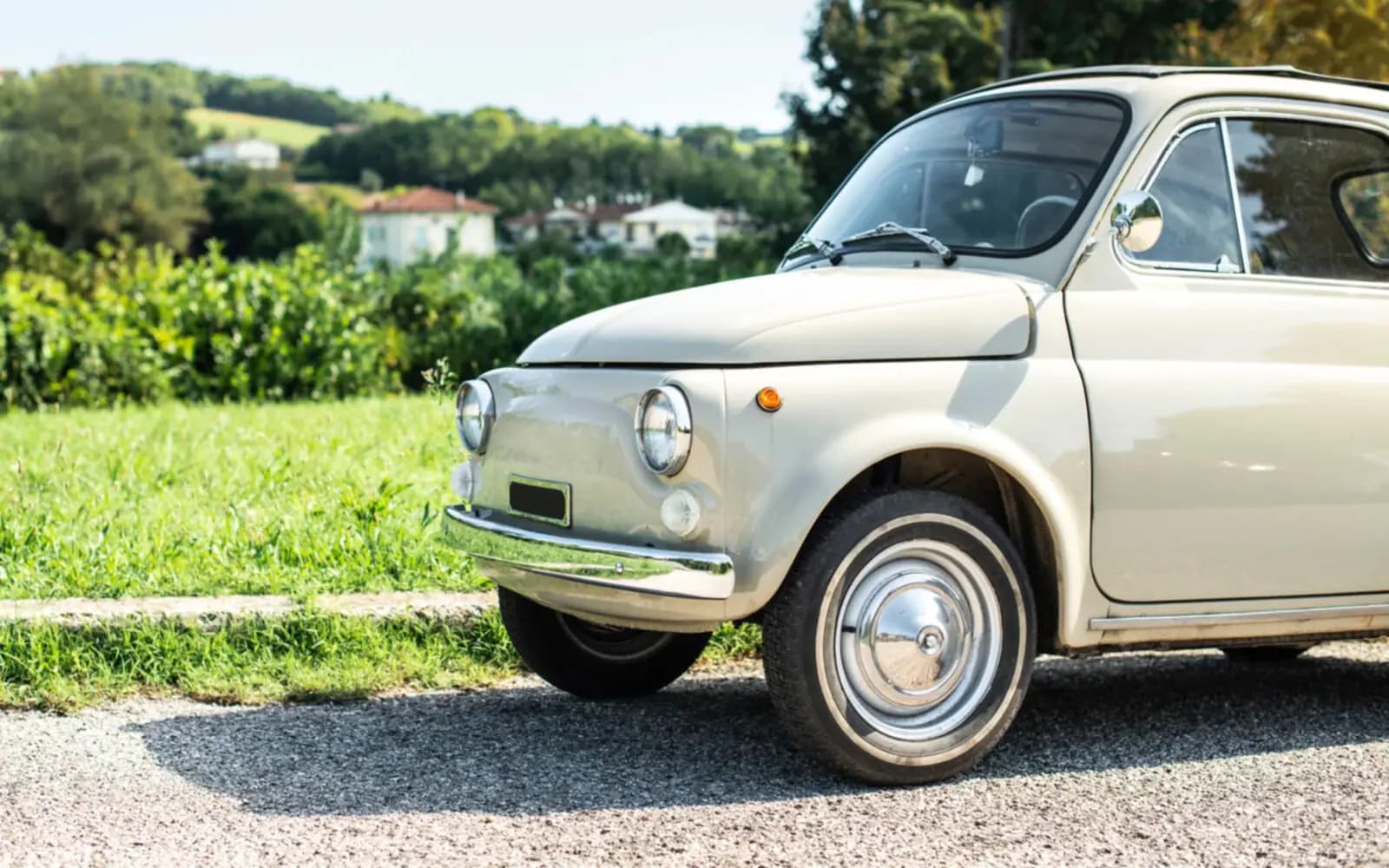
No — a car's age by itself doesn't make it junk in New York. What actually decides whether a 20-year-old car still has value is whether it runs, how complete it is, and whether it can still satisfy what a buyer or a scrapyard cares about, not the year stamped on the title. Plenty of 20-year-old cars sell for real money every week; plenty of five-year-old cars get junked because of one bad accident. Age is a data point, not a verdict.
What actually makes a car "junk"?
Nothing about a car's model year appears on any checklist that decides whether it's junk. What actually gets weighed is whether the engine starts and the transmission still shifts, whether the frame is straight, whether major components like the catalytic converter are still in place, and whether the title or a valid substitute is available to hand over. A twenty-year-old sedan that starts every morning and still has all its parts is worth meaningfully more than a two-year-old car that's been in a serious wreck. Condition and completeness decide the price — the year on the registration is just context. Older cars are also more likely to be carrying an unrepaired safety recall simply because more time has passed since the fix was issued; whether an open safety recall changes selling your car in NY covers what that does and doesn't mean for a sale.
Does New York actually have an age cutoff?
Not for selling or registering. There's no statewide rule that a car becomes unsellable, unregisterable, or automatically "junk" once it crosses a certain age. The one age-related quirk that does exist is a much older one, and a different rule entirely: New York doesn't issue titles at all for cars from model year 1972 or earlier, a leftover from before the state required titling for every vehicle. A twenty-year-old car today is nowhere close to that line — it has a title like any other car — but it's worth knowing the two ideas aren't the same, since owners sometimes assume "old car" and "no-title car" are automatically connected.
They can end up connected anyway, just for a more ordinary reason: a car old enough to have passed through a divorce, a move, a basement flood, or simply a few decades of being shoved in a drawer is also old enough for its title to have gone missing. If that's your situation, selling a car with a lost title in NY walks through getting a replacement before you try to sell.
Where age actually starts to cost you
Age isn't nothing — it just works indirectly. New York winters mean road salt, freeze-thaw cycles, and years of that combination working on rocker panels, brake lines, and frame rails in a way that a car from a warmer state never experiences. That's a real cost, but it shows up as rust and mechanical wear, which is to say it shows up as condition, not as a number on the odometer or the title. Two twenty-year-old cars from the same model year can be worth very different amounts once one of them has spent two decades of winters outside in a driveway and the other spent them in a garage.
Parts availability follows the same logic: an older, complete car is often easier to value than a newer one missing its catalytic converter or with major collision damage, because completeness is what a buyer is actually pricing. Our guide on what your junk car is actually worth breaks down what buyers weigh instead of age. And if the car in question still starts and drives despite its years, it may be worth more sold as a runner than scrapped outright — selling a car with 200k+ miles that still runs covers that math in more depth.
Where CashMyCarNY fits in
Age never disqualifies a car from an offer with us. We buy cars other buyers pass on: not running, wrecked, flooded, rusted, or missing parts, whatever a car's had done to it over twenty New York winters included. Get an instant offer in about 60 seconds, no-haggle, and towing is free anywhere in the state, running or not. If the car matches your description, the price won't change at pickup — see how the process works.
Quick answers
Does an older car need different paperwork to sell than a newer one? Almost never. The same title-and-bill-of-sale process applies regardless of model year, with one exception: cars from 1972 or earlier were never issued a New York title in the first place, which calls for a different proof-of-ownership path.
Is there a legal age after which New York considers a car "too old" to register or sell? No. There's no such rule. The only age-related quirk on the books is the separate 1972-and-earlier titling cutoff, which is about title format, not about whether a car can be sold.
Does rust from New York winters actually lower an old car's value? Yes, though there's no fixed number attached to it. Frame and rocker-panel rust from years of road salt affects a scrapyard's assessment the same way a mechanical problem would — it's about condition, not the model year itself.
Does an older car's value look different in a place like Buffalo than elsewhere in the state? The scrap and parts market works the same statewide, but Buffalo and the rest of Erie County see enough lake-effect winters that rust tends to show up earlier there than in milder parts of New York, which can factor into an older car's condition.
The short version
A car's age doesn't make it junk — its condition, completeness, and whether it runs do. New York has no age cutoff for selling or registering a vehicle; the only real age-related rule is the unrelated 1972 titling cutoff for truly old vehicles. Rust and parts wear are the real cost of age, and they show up as condition problems, not as an automatic verdict. Whatever your car's model year, what it's worth comes down to what shape it's actually in.
Get your instant offer
Free towing · No hidden fees · No obligation
Frequently Asked
Will you buy a car that failed NY inspection?
Yes. A failed inspection is one of the most common reasons people call us — and the repair estimate is often worth more than the car. We buy it whether it passed or not.
What kinds of cars do you buy?
Just about anything — running or not, wrecked, flooded, rusted out, or missing parts. We make offers on cars that other buyers pass on.
Do I need the title?
Having the title in hand is best — you'll sign it over in the seller section on the back at pickup. If your title is missing, tell us your situation and we'll walk you through what's possible.
How is my offer calculated?
We price your car based on year, make, model, and condition, plus current scrap value that week. Newer and larger vehicles are generally worth more, but there is no typical figure worth quoting — the number depends on your specific car, so get your own instant offer for the real one.
Is towing really free?
Yes — free towing means $0, no hidden fee, anywhere in New York.
How fast can you pick up?
We move quickly once your offer is accepted. Exact timing depends on your location and schedule, so we'll confirm a pickup window with you directly.
What paperwork do I need in NY?
You'll need your signed-over title, and your plates should come off before pickup. New York requires sellers to surrender plates to the DMV before canceling insurance, and the DMV issues an FS-6 receipt for the surrender — we'll walk you through it.
What happens to my plates?
Remove your plates before we arrive for pickup. You'll then surrender them to the DMV and keep the FS-6 receipt as your proof of surrender — check dmv.ny.gov for details on the process.
When and how do I get paid?
You get paid at pickup once the vehicle and paperwork are confirmed — no waiting around for a check in the mail.
We’ll Buy It.
Because when it comes down to it, junk cars are our thing. Anywhere in New York.