Fake Cashier's Checks and Overpayment Scams, Step by Step
5 min read · July 2, 2026 · Updated August 8, 2026
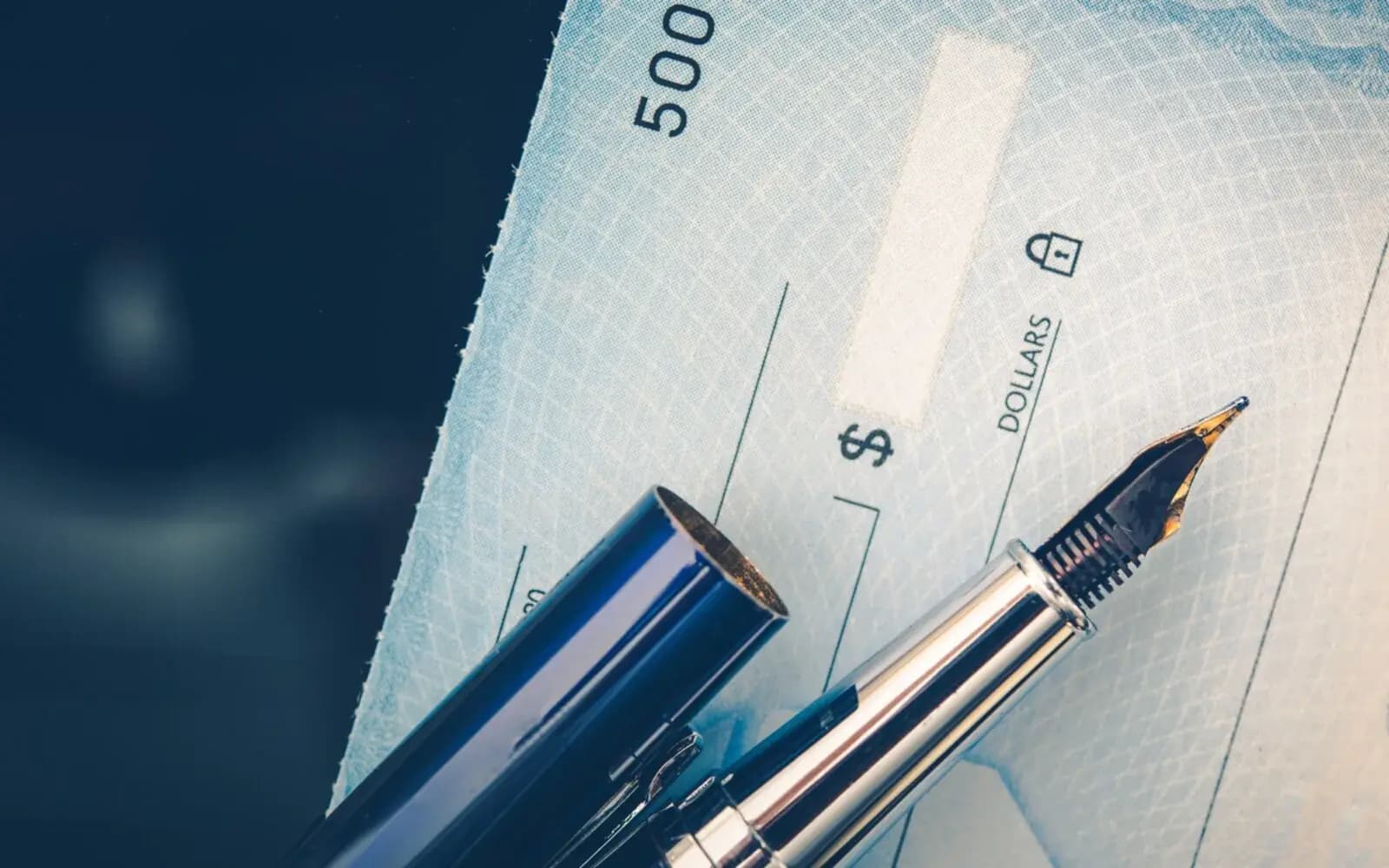
A cashier's check feels as safe as cash. It isn't. Your bank can make the funds available within a day through mobile deposit, long before it actually finishes verifying the check with the issuing bank, and if that check turns out to be fake, it can bounce days later, after the buyer and your car are both gone. New York's DMV has warned drivers directly about this kind of fraud, and the mechanics are worth understanding step by step, from the moment a check is handed over to the moment it either clears for real or doesn't, before you hand over keys for a check instead of cash.
How big is this problem in New York, really?
New York's DMV put a real number on this kind of fraud in October 2024, warning consumers after recovering 228 stolen vehicles worth $6.35 million in a single year, most of them tied to online marketplace listings. That warning was aimed mostly at buyers, but it's the clearest sign the DMV has given that private car sales arranged online, junk car sales included, are a real target for organized fraud right now, not a hypothetical worth dismissing. A junk car sale has the same basic shape as any other private sale: a stranger, a vehicle, and a payment that has to clear before anyone drives away, which is exactly the shape fraud is built to exploit.
How the fake check scam actually plays out
The mechanism is almost always the same. A buyer hands over a cashier's check, you deposit it, and your bank makes the funds provisionally available, sometimes within a day through mobile deposit. That provisional credit is not the same thing as a verified check, even though your account balance makes it look identical. Real verification with the issuing bank can take several business days, and if the check turns out to be counterfeit or drawn on a closed account, it bounces after that window closes, not before. By then, the buyer has the car, the check is worthless, and you're on the hook for funds your own bank reverses out of your account, sometimes days after you thought the sale was finished.
Why the timing always favors the scammer
Banks are required to make a portion of a deposited check's funds available quickly, often within a day or two, which is a consumer-friendly rule in almost every other context. Check fraud exploits that same rule. The provisional credit shows up fast because the law says it has to, while the actual verification between banks moves on its own slower timeline, days behind the money that already looks like it's sitting safely in your account. A scammer only needs that gap to be wide enough to be gone before it closes.
The overpayment version flips the script
Here, the buyer "accidentally" sends a check for more than the price you agreed on, then asks you to wire back or send the difference right away, often with an urgent-sounding excuse about a moving company or a third party. The check is fake, but the money you wire back is completely real and leaves your account immediately. The refund is real money. The check isn't. By the time the original check bounces, whatever you sent back is gone, and there's no getting a wire transfer back once it's landed somewhere else. No legitimate buyer needs you to send any money at all in a transaction where you're the one selling the car.
How do you verify a check before handing over the car?
Call the bank that supposedly issued the check, using the number listed on the bank's own official website or public customer service line, never the number printed on the check itself. A fake check can print a fake number that just connects you to the scammer, so looking it up independently matters more than which number is easier to find. Confirm the check is real and fully cleared before the car changes hands, not after.
Other defenses that actually work
A few habits close most of the risk:
- Never wire money back on an "overpayment." A legitimate buyer doesn't overpay and then ask for cash back.
- Prefer payment at pickup over a check that has to clear after the fact — cash vs. check vs. instant payment breaks down what each payment type actually guarantees.
- Walk away from anyone who rushes the paperwork or pressures you to hand over the car before verification is complete.
Our guide on checklist items before your junk car pickup and how to spot junk car buyer scams generally both cover more ground on what to check before anyone shows up.
Where CashMyCarNY fits in
Payment at pickup sidesteps this entire mechanism. There's no provisional bank credit to wait on and no check to verify, because the transaction happens when the car does, not days later. Add a no-haggle instant offer in about 60 seconds and free towing anywhere in New York, all 62 counties, and there's no window during pickup for a fake check to slip through in the first place.
Quick answers on check scams
Is a cashier's check ever safe to accept for a car sale? With direct verification, calling the issuing bank at its official public number, it can be safer than a personal check. Money showing up in your account is not the same as a check being verified, and that gap is exactly where this scam lives.
What should I do if I already wired money back on an overpayment? Contact your bank immediately, and consider reporting it. The NY Attorney General's car and auto resources page is a place to start.
Who do I report a car-sale check scam to in New York? The NY Attorney General's office maintains consumer resources specifically for car and auto issues, and your local police department is the right place for the fraud itself.
Are car-sale check scams more common in Queens than other parts of NYC? Not specifically. The DMV's warning ties most of these scams to online marketplace listings generally, not one borough. The same verification steps apply whether you're arranging pickup in Queens or anywhere else in the state.
The short version
A fake cashier's check can clear provisionally within a day and still bounce once real verification with the issuing bank finishes, days later, after the buyer and car are gone. The overpayment version is the same trick from a different angle: the check is fake, but the money you wire back is real. Verify any check by calling the issuing bank's official number, never the one printed on the check, and never wire back an "overpayment." Payment at pickup avoids the entire mechanism, which is exactly why it's worth preferring whenever it's on the table, and why any buyer who resists it is worth a second look.
Get your instant offer
Free towing · No hidden fees · No obligation
Frequently Asked
Will you buy a car that failed NY inspection?
Yes. A failed inspection is one of the most common reasons people call us — and the repair estimate is often worth more than the car. We buy it whether it passed or not.
What kinds of cars do you buy?
Just about anything — running or not, wrecked, flooded, rusted out, or missing parts. We make offers on cars that other buyers pass on.
Do I need the title?
Having the title in hand is best — you'll sign it over in the seller section on the back at pickup. If your title is missing, tell us your situation and we'll walk you through what's possible.
How is my offer calculated?
We price your car based on year, make, model, and condition, plus current scrap value that week. Newer and larger vehicles are generally worth more, but there is no typical figure worth quoting — the number depends on your specific car, so get your own instant offer for the real one.
Is towing really free?
Yes — free towing means $0, no hidden fee, anywhere in New York.
How fast can you pick up?
We move quickly once your offer is accepted. Exact timing depends on your location and schedule, so we'll confirm a pickup window with you directly.
What paperwork do I need in NY?
You'll need your signed-over title, and your plates should come off before pickup. New York requires sellers to surrender plates to the DMV before canceling insurance, and the DMV issues an FS-6 receipt for the surrender — we'll walk you through it.
What happens to my plates?
Remove your plates before we arrive for pickup. You'll then surrender them to the DMV and keep the FS-6 receipt as your proof of surrender — check dmv.ny.gov for details on the process.
When and how do I get paid?
You get paid at pickup once the vehicle and paperwork are confirmed — no waiting around for a check in the mail.
We’ll Buy It.
Because when it comes down to it, junk cars are our thing. Anywhere in New York.