Too Many Junk Cars on One Property: NY Code-Violation Risk
5 min read · July 12, 2026 · Updated August 8, 2026
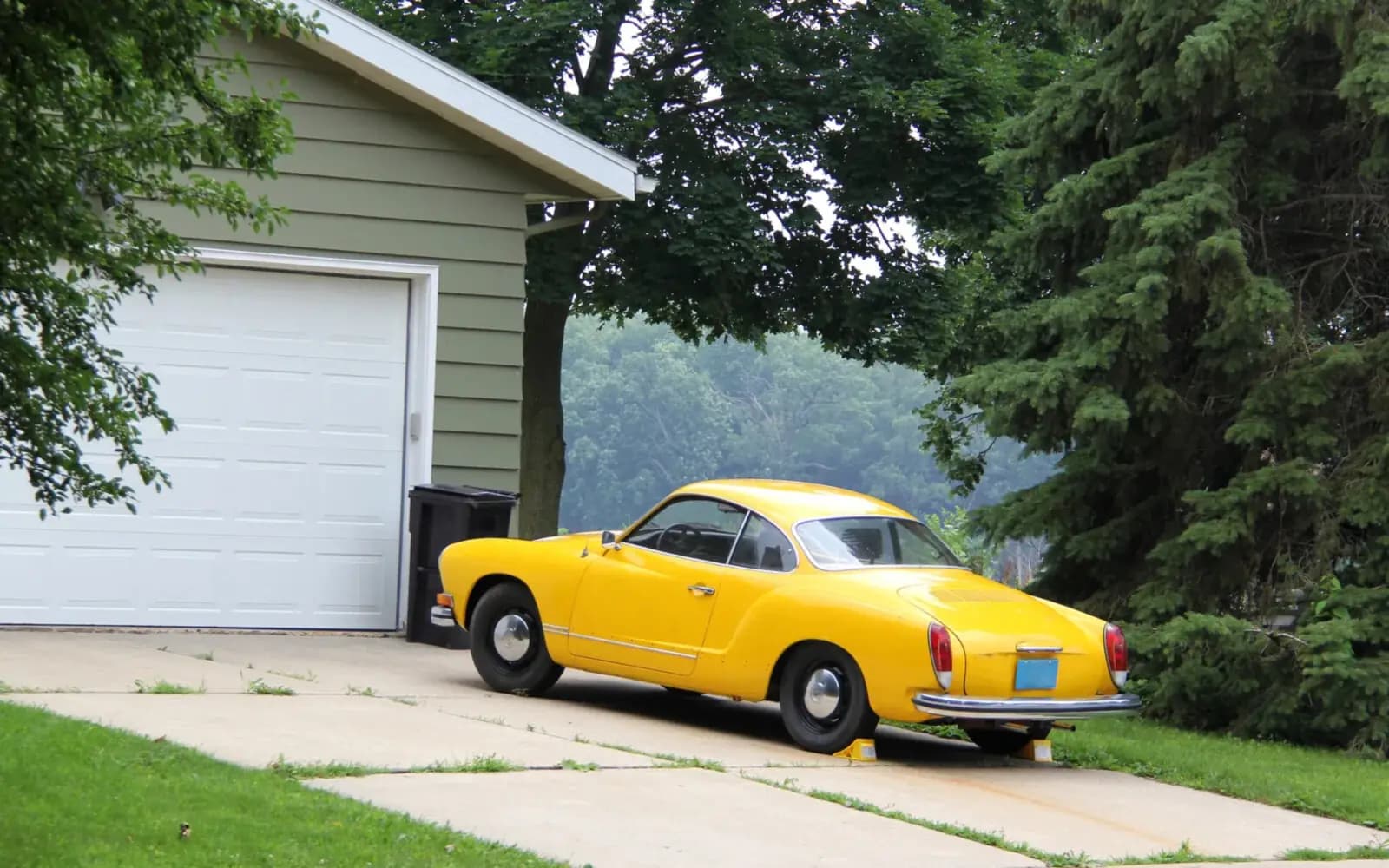
New York doesn't set one statewide number for how many junk or unregistered cars you're allowed to keep on your own property — no statute anywhere caps it at two, three, or any other figure. That doesn't mean a yard full of them is risk-free, though: the number that actually matters lives in your town, city, or village code, not in state law. Enforcement almost always starts as a notice and a deadline to fix it, not an immediate fine. Which local rule applies, and how strictly it's enforced, depends entirely on where the property sits.
Is there an actual New York State limit?
No. A specific statewide cap on inoperable or unregistered vehicles per property simply doesn't exist. What New York does regulate at the state level is a truly abandoned vehicle — a different, narrower situation covered below — and beyond that, vehicle accumulation is left entirely to local government to define and enforce.
Where the real risk actually comes from: your local code
Most towns, cities, and villages maintain their own property-maintenance, zoning, or nuisance codes, and a surprising number address unregistered or inoperable vehicles directly, often limiting how many can be visible from the street or stored outside an enclosed structure. These codes vary enough from one municipality to the next that what's fine in one town can be a cited violation one town over. The details — the exact number allowed, whether a fence or tarp changes anything, how "inoperable" gets defined — are set locally, which is exactly why there's no single statewide answer to point to.
How this is different from a single abandoned vehicle
It's worth separating this from the situation where one vehicle qualifies as legally abandoned. New York does have a statute that can automatically shift ownership of a truly abandoned, plateless car worth $2,250 or less to the local government where it sits — a narrow mechanism built for one deserted vehicle, not a ceiling on how many cars you're allowed to own and store. DMV's guidance on abandoned and unclaimed vehicles covers that specific threshold, and our two-threshold rule for abandoned cars on private property walks through exactly how it works. A yard full of cars you still own and intend to deal with eventually isn't that scenario at all — it's a code-enforcement question, not an abandonment one.
What escalation actually looks like
Code violations typically start with a written notice and a window of time to comply, not a fine on day one, though that window and what follows if you miss it both vary by municipality. New York does have a separate civil penalty, $250 to $1,000, for actually causing a vehicle to become abandoned, but that specific fine is capped by population and only reaches cities of a million or more people, which today means New York City alone. Outside the five boroughs, that particular dollar figure isn't a backstop at all, which is exactly why local code carries so much more weight everywhere else.
Two complications: someone else's car, and missing titles
Multiple vehicles on one property sometimes include a car that isn't actually yours, one a tenant left behind, for instance, which is a distinct fact pattern with its own lien mechanism that doesn't apply to a car you actually own. Our landlord's guide to a tenant's abandoned car covers that situation on its own. Separately, cars that have sat for years, especially ones inherited along with a property, often come without a title anyone can immediately produce — a solvable problem, but a separate one from the code question. Our guide on whether a junkyard can legally buy a car without a title in NY covers what's actually possible once you're ready to move one of these along.
Finding the actual rule where you live
Since there's no state number to cite, the practical move is calling your town, city, or village clerk's office, or the local code enforcement office, and asking directly what the vehicle-accumulation rule actually says. Getting the answer in writing, or at least noting who you spoke with and when, gives you something concrete if the conversation ever needs to happen again. That one call resolves more uncertainty than searching for a statewide number that doesn't exist.
Where CashMyCarNY fits in
Once you've sorted out which cars on the property are actually yours to deal with, and whether any of them need a title workaround first, we buy cars other buyers pass on: not running, wrecked, rusted, missing parts, it doesn't matter. Tell us about a missing title and we'll walk you through what's actually possible rather than promising something we can't back up. An instant offer takes about 60 seconds with no haggling, towing is free anywhere in New York, and how the pickup process works stays the same whether you're clearing out one car or four.
Quick answers
How many unregistered or inoperable cars can I legally keep on my property in New York? There's no statewide number. What actually applies is your town, city, or village's own property-maintenance or nuisance code, and those set their own limits, or none at all, independently of each other.
What happens if my town cites me for too many junk cars? Most codes start with a written notice and a deadline to comply rather than an immediate fine. What happens after that deadline passes varies by municipality, which is exactly why confirming your local process matters.
Is a yard full of cars I still own automatically an "abandoned vehicle" under state law? No. New York's abandoned-vehicle statute applies to a single plateless car worth $2,250 or less that's been deserted, not to multiple vehicles you still own and intend to deal with. Those are handled under local code instead.
Does the local code near our Broome County page look any different than a town nearby? It can. Every municipality sets its own version, so a code in Broome County won't necessarily match the next town over, even close by. Checking with the specific local office is the only way to know for sure.
The short version
New York has no statewide statute capping how many junk or unregistered cars can sit on one property — that number, if one exists where you live, comes entirely from local property-maintenance or nuisance code, and it varies town to town. That's a different question from the state's abandoned-vehicle statute, which applies narrowly to a single deserted, plateless car worth $2,250 or less. Enforcement of a local code violation typically starts with a notice and a deadline, not an instant fine. If you're not sure what your municipality actually allows, the fastest path is calling the town, city, or village clerk directly and asking.
Get your instant offer
Free towing · No hidden fees · No obligation
Frequently Asked
Will you buy a car that failed NY inspection?
Yes. A failed inspection is one of the most common reasons people call us — and the repair estimate is often worth more than the car. We buy it whether it passed or not.
What kinds of cars do you buy?
Just about anything — running or not, wrecked, flooded, rusted out, or missing parts. We make offers on cars that other buyers pass on.
Do I need the title?
Having the title in hand is best — you'll sign it over in the seller section on the back at pickup. If your title is missing, tell us your situation and we'll walk you through what's possible.
How is my offer calculated?
We price your car based on year, make, model, and condition, plus current scrap value that week. Newer and larger vehicles are generally worth more, but there is no typical figure worth quoting — the number depends on your specific car, so get your own instant offer for the real one.
Is towing really free?
Yes — free towing means $0, no hidden fee, anywhere in New York.
How fast can you pick up?
We move quickly once your offer is accepted. Exact timing depends on your location and schedule, so we'll confirm a pickup window with you directly.
What paperwork do I need in NY?
You'll need your signed-over title, and your plates should come off before pickup. New York requires sellers to surrender plates to the DMV before canceling insurance, and the DMV issues an FS-6 receipt for the surrender — we'll walk you through it.
What happens to my plates?
Remove your plates before we arrive for pickup. You'll then surrender them to the DMV and keep the FS-6 receipt as your proof of surrender — check dmv.ny.gov for details on the process.
When and how do I get paid?
You get paid at pickup once the vehicle and paperwork are confirmed — no waiting around for a check in the mail.
We’ll Buy It.
Because when it comes down to it, junk cars are our thing. Anywhere in New York.