How to Fill Out the NY Title When You Sell (Line by Line)
6 min read · June 2, 2026 · Updated August 15, 2026
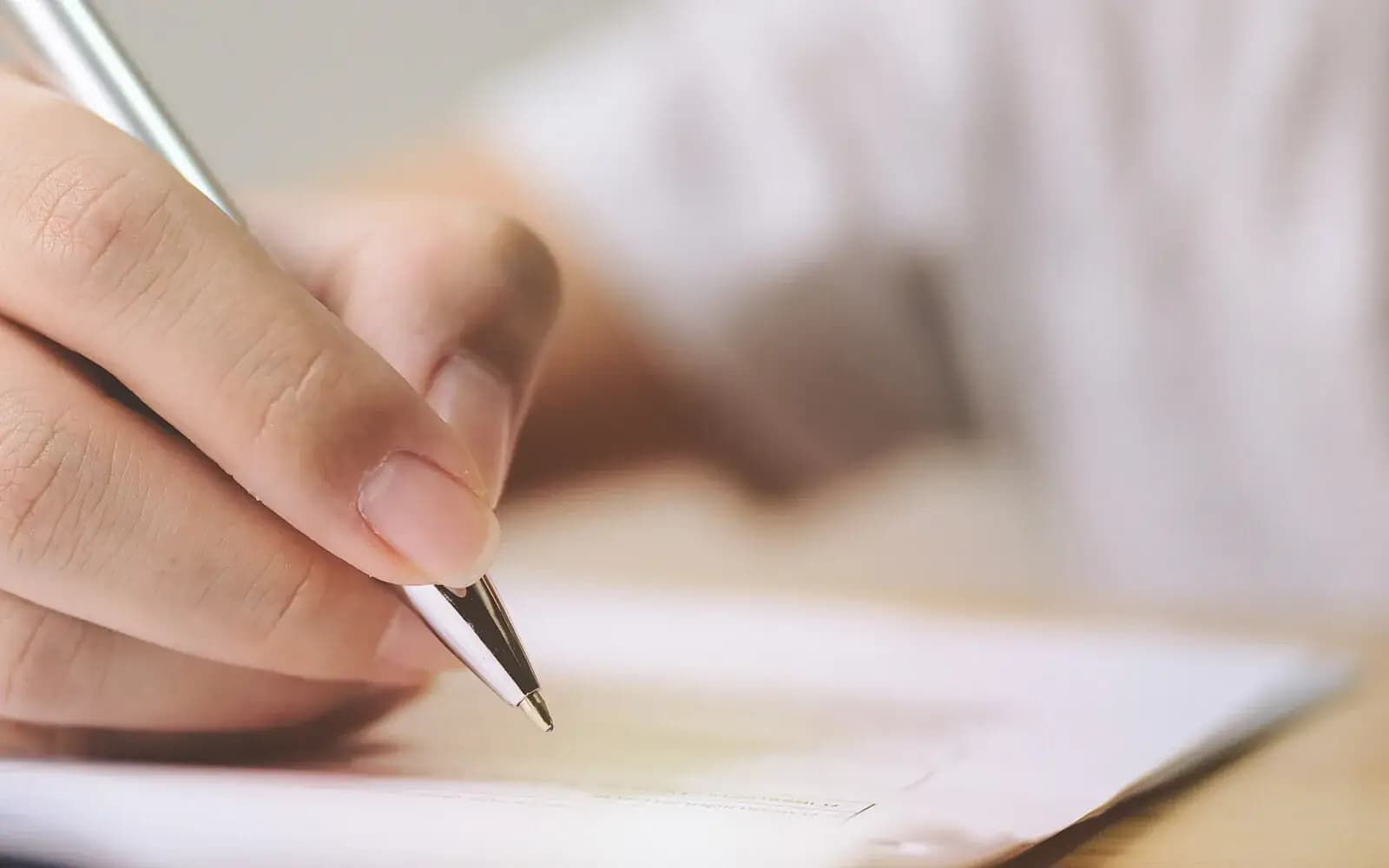
You sign a New York title on the back, in the transfer section, never on the front, where the current owner's name is already printed. That sounds obvious until you're holding the actual paper and realize there's more than one line asking for a signature, a date, or a name, and getting any of them wrong can send your buyer back to a DMV counter, sometimes weeks after you've already spent the money. Here's the order to fill them in, and the mistakes that cause the most trouble.
The seller's side of the transfer section, in order
Before you touch the back of the title, look at the front. That's where your name is already printed as the owner, exactly as DMV has it on file, and it's the version of your name you need to match when you sign as seller. If you got married, moved, or your name is spelled differently than you'd write it today, sign it the way the title already has it, not the way you'd introduce yourself now.
New York's title has a transfer section on the back for exactly this moment, and the fields go in a predictable order:
- The buyer's full legal name and address. Not a nickname, not "cash buyer," but the name that will end up on the new registration.
- The date of sale. The actual day the car and the money changed hands, not the day you happen to be filling out the form.
- The odometer reading, entered as a whole number, no estimates. Guess at this figure or round it off and you create a mismatch that can raise questions for your buyer later, so copy it straight off the dash.
- Your signature as the seller, written exactly as your name already appears on the front of the title. If the front says "Robert J. Smith," don't sign "Bob Smith."
Leaving that buyer line blank, or letting the car change hands again before you've completed your own transfer, is called title jumping, and New York's process isn't built to allow it.
If the buyer is a business, its name goes on the title exactly as the business is legally named, not a shortened version, and not the owner's personal name instead. "Joe's Auto Repair LLC" and "Joe's Auto" are not interchangeable on this form, even if everyone in town calls it the same thing.
Why cross-outs and white-out can void the whole title
A single cross-out or a swipe of correction fluid can get a title rejected at the DMV counter, sending your buyer back to square one. There's no fixing a mistake on the transfer section the way you'd fix a typo in an email. If you write the wrong date or misspell the buyer's name, the safest move is to stop and either start over on a fresh title or call DMV before guessing at a workaround.
The practical fix is slower than it sounds: write slowly, and read the whole section back before anyone signs. A signature can't be undone once it's on the paper. If the original title is already compromised beyond a clean signature, getting a fresh one means starting the duplicate-title process over, which is real time added to a sale that should have taken an afternoon. Our guide on fixing a cross-out or wrong name on a NY title walks through that duplicate-title request step by step. It's a strong argument for a dry run: read every field out loud with the buyer standing there before either of you picks up a pen.
Does filling out the title replace the bill of sale?
No. New York's Buy, Sell, or Transfer Vehicle Ownership process treats them as two separate, required documents, and filling out one doesn't excuse you from the other. You complete the transfer section on the title, and you and the buyer both sign a Bill of Sale, Form MV-912. DMV's own language doesn't carve out an exception for gifts between family members; both signatures are still expected. A gift adds one more piece on top: Section 6 of Form DTF-802, completed by the person giving the car away.
Our guide to the NY Bill of Sale (MV-912) covers exactly what has to be on that form.
What if there's no title to fill out in the first place?
Everything above assumes you're holding a title to write on. If you're not (it's lost, it was never transferred to you, or it just never turned up in the paperwork you inherited with the car), filling out a transfer section isn't where you start. Our guide to selling a car with a lost title in NY covers the replacement process and what to do while you wait on it.
What comes after the title is signed
Once the title and bill of sale are done, the car isn't fully off your hands on paper yet. New York still expects you to surrender your plates (they belong to you, not the car) and to keep the FS-6 receipt as proof the registration actually ended. Handing over a signed title doesn't end your connection to the car by itself; the plates are a separate piece of property that has to go back to DMV on its own timeline. Our NY plate surrender and title guide covers that next step and the order that keeps you clear of an insurance-lapse penalty.
Keep a copy before it changes hands
Photograph or photocopy both sides of the title, filled out, before you hand it to the buyer. It costs nothing and takes a minute, and it's the only record you'll have of exactly what was written and signed if a question ever comes up about the sale later, whether that's a dispute over the sale date or a DMV clerk asking about a field that looks unclear. Do the same with the bill of sale once both signatures are on it.
If you'd rather not risk the paperwork alone
Getting one field wrong on a title is an easy way to turn a five-minute signature into a week of DMV phone calls for your buyer. Sell to us instead and that risk moves to our side: we walk you through the title transfer, the bill of sale, plate surrender, and the FS-6 receipt as part of the deal. An instant offer takes about 60 seconds, and if the car matches your description, the price won't change at pickup. Towing is free anywhere in New York, folded into your offer, never billed back to you.
Quick answers
Where do you sign a NY title when selling the car? On the back, in the transfer section, on the seller line — never anywhere on the front. If the title names two owners, the safe course is both signing — NY's own guidance doesn't spell out when one signature is enough, so don't assume.
Does the title transfer process work differently near Buffalo than it does downstate? No. The transfer section, the bill of sale, and the signature rules are all state law, so they're identical whether you're near Buffalo or anywhere else in New York. What changes by location is where you drop off paperwork in person, not the forms themselves.
What if the buyer's name is misspelled after you've already signed? Don't try to fix it with a cross-out. A misspelled name after the signatures are already on the title usually means starting over, which is exactly why reading the buyer's legal name twice before anyone signs matters more than it seems.
Does a gift transfer skip any of these steps? No, it adds one. The title's transfer section and the Bill of Sale still need both signatures, and the person giving the car away also completes Section 6 of Form DTF-802.
What if the buyer wants the title in a business name instead of their own? That's fine. Write the business's legal name exactly as it's registered, not the owner's personal name or a shortened version. The same signature and date rules apply either way.
The short version
Sign a New York title on the back, in the transfer section, not the front, using your name exactly as it's already printed there, with the buyer's legal name, the sale date, and the odometer reading filled in first. Write slowly and read it back before anyone signs, since a cross-out or correction fluid can get the whole title rejected. The signed title and a signed Bill of Sale (MV-912) are both required, even for a gift, which adds a DTF-802 Section 6 on top.
Get your instant offer
Free towing · No hidden fees · No obligation

Frequently Asked
Will you buy a car that failed NY inspection?
Yes. A failed inspection is one of the most common reasons people call us — and the repair estimate is often worth more than the car. We buy it whether it passed or not.
What kinds of cars do you buy?
Just about anything — running or not, wrecked, flooded, rusted out, or missing parts. We make offers on cars that other buyers pass on.
Do I need the title?
Having the title in hand is best — you'll sign it over in the seller section on the back at pickup. If your title is missing, tell us your situation and we'll walk you through what's possible.
How is my offer calculated?
We price your car based on year, make, model, and condition, plus current scrap value that week. Newer and larger vehicles are generally worth more, but there is no typical figure worth quoting — the number depends on your specific car, so get your own instant offer for the real one.
Is towing really free?
Yes — free towing means $0, no hidden fee, anywhere in New York.
How fast can you pick up?
We move quickly once your offer is accepted. Exact timing depends on your location and schedule, so we'll confirm a pickup window with you directly.
What paperwork do I need in NY?
You'll need your signed-over title, and your plates should come off before pickup. New York requires sellers to surrender plates to the DMV before canceling insurance, and the DMV issues an FS-6 receipt for the surrender — we'll walk you through it.
What happens to my plates?
Remove your plates before we arrive for pickup. You'll then surrender them to the DMV and keep the FS-6 receipt as your proof of surrender — check dmv.ny.gov for details on the process.
When and how do I get paid?
You get paid at pickup once the vehicle and paperwork are confirmed — no waiting around for a check in the mail.
We’ll Buy It.
Because when it comes down to it, junk cars are our thing. Anywhere in New York.