Mechanic's Lien vs Bank Lien: When the Shop Holds Your Car
6 min read · June 5, 2026 · Updated August 15, 2026
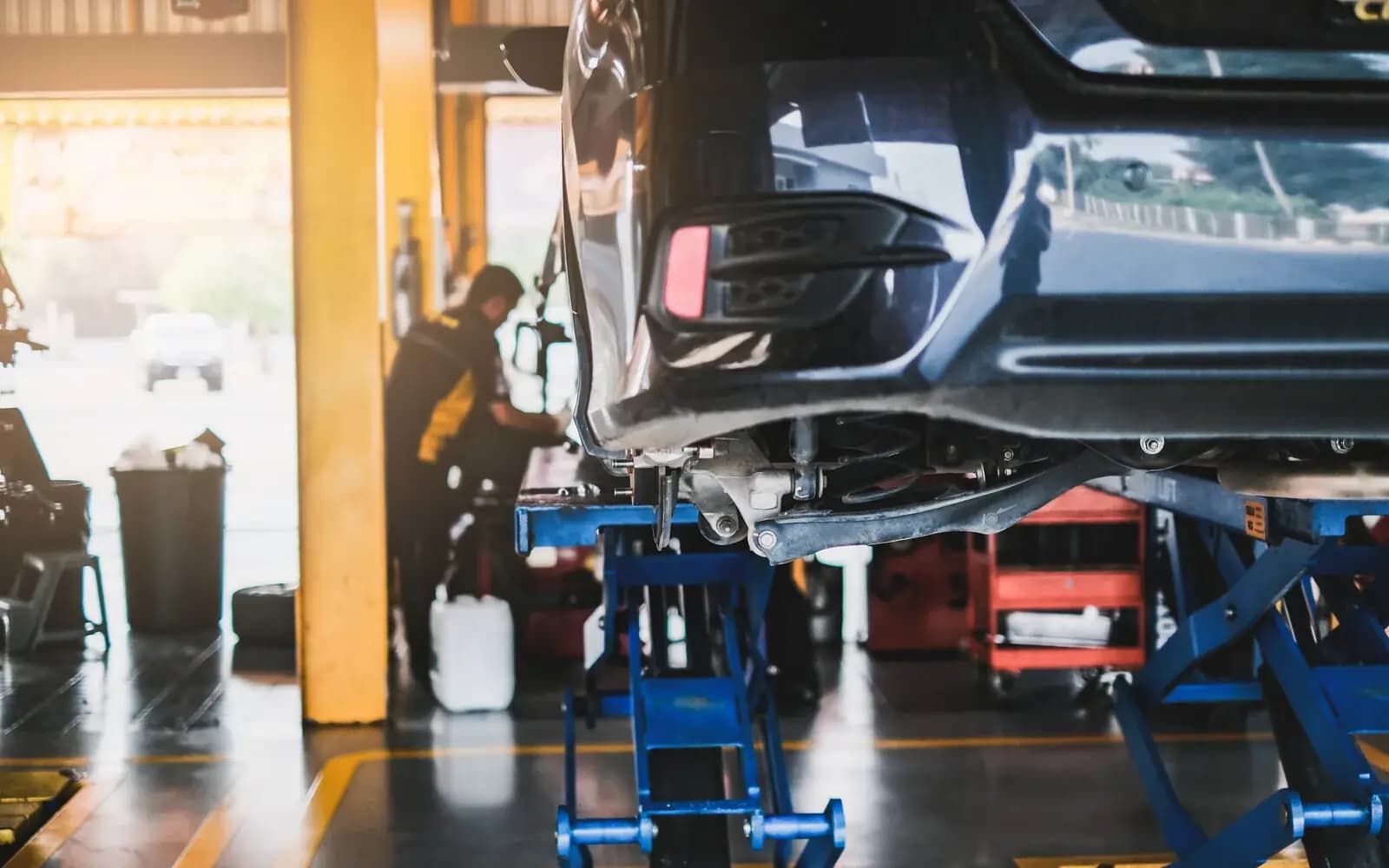
A mechanic's lien and a bank's lien are two different legal claims on the same car, and New York runs them through completely separate processes. A bank lien means a lender financed the car and has a financial stake in the title. A mechanic's lien — officially a garageman's lien — means a repair shop, tower, or storage facility is owed money for work already done and is holding the vehicle itself until that bill gets paid. If your car's loan is the open question, that's a payoff-and-title problem. If a shop is holding the car over an unpaid bill, the fix runs through a different form entirely.
How a shop bill turns into a lien
The shape of this is familiar to a lot of NY car owners: a repair estimate comes back higher than expected, the owner hesitates or can't pay, and the car just sits on the shop's lot while nobody makes a decision. Every extra week can mean another storage or towing charge added to the total, and at some point the shop stops treating the car as "awaiting pickup" and starts treating it as unclaimed. That shift is exactly what New York's garageman's lien process exists to resolve — it gives a shop a formal legal path for a vehicle nobody's coming back for, separate from simply keeping the keys and hoping the owner shows up eventually.
Garageman's lien vs bank lien: what makes them different?
A bank lien is recorded directly on your title, giving the lender a claim that has to be cleared before ownership can transfer to a buyer, and our guide to selling a car with a loan or lien in New York walks through payoff mechanics start to finish. A garageman's lien doesn't touch the title the same way. It's a claim over the physical vehicle itself, tied to unpaid repair, towing, or storage charges, and it runs through its own set of DMV forms — starting with Form MV-901C, the DMV's Garageperson's Lien instructions. A car can have both kinds of lien attached at once: a bank still owed on the loan, and a shop still owed for the last repair job, each resolved separately.
The $500 line and the abbreviated process
New York splits the garageman's lien process into two paths depending on what the vehicle is worth. If the wholesale value is under $500, an abbreviated procedure is available using Form MV-901D and its companion instructions, MV-901DI — a shorter process built for lower-value cars where a full lien proceeding wouldn't make sense for anyone involved. Above that $500 line, the shop works through the standard MV-901C procedure instead. That threshold is the one clear dividing line confirmed here; the exact fees and every procedural step past that weren't part of what this guide could verify, so a shop pursuing a lien, or an owner trying to figure out which path applies, should confirm current requirements directly with the DMV before assuming either way.
Can you still sell the car while the shop is holding it?
This is the question most owners actually want answered, and it deserves an honest answer rather than a guess: there's no clear, publicly posted DMV explainer of what a private sale looks like while a garageman's lien is active — whether the shop has to be paid off first, whether a buyer can take on the debt along with the car, or how the paperwork clears once the vehicle is released. That's worth a direct call to the DMV or to the shop itself before you assume how your situation plays out. What is clear is that the underlying bill doesn't vanish just because the car changes hands informally. The same way a bank lien has to be resolved before a title transfers cleanly, a shop's claim is a real legal interest, not a formality you can route around by finding a buyer fast.
If the car ends up abandoned instead of reclaimed
Sometimes the repair estimate comes back so high that the owner simply stops calling, and the car sits at the shop indefinitely with nobody claiming it. A landlord staring at a tenant's abandoned car might assume the same tool applies — it usually doesn't. The garageman's lien exists for businesses owed money for towing, storage, or repairs; a property owner's path runs through the abandoned-vehicle rules instead, which our landlord's guide to a tenant's abandoned car walks through step by step. None of this changes if the shop also happens to be holding your paperwork, or if the title went missing before the car ever got towed there — that's a separate, fixable problem, and our guide on selling a car with a lost title in New York covers it on its own.
If the repair bill is bigger than the car
Once a repair estimate stops making sense against what the car is actually worth, waiting rarely helps, since every extra week can add another storage charge to a bill that's already too high. An instant offer takes about 60 seconds, no-haggle, and doesn't require a shop dispute to already be sorted out first. We buy cars other buyers pass on, including ones that haven't run in a while, tow for free anywhere in New York, and walk you through the DMV side of a sale — title transfer, plate surrender, the FS-6 receipt (the DMV labels the mail-in version FS-6T). See how pickup works before deciding anything.
Quick answers about mechanic's liens
Is a mechanic's lien the same thing as a bank lien? No. A bank lien is a lender's financial claim recorded on your title. A mechanic's, or garageman's, lien is a shop's claim over the physical vehicle for an unpaid repair, towing, or storage bill — a separate process with its own forms.
What's the dollar line between the standard and abbreviated lien process? $500 in wholesale value. Under that, a shop can use the abbreviated MV-901D/MV-901DI process; above it, the standard MV-901C procedure applies instead.
Can I just stop answering the shop's calls instead of dealing with the bill? Not without consequences. Walking away doesn't erase the debt or clear the title. The shop has a real legal claim under New York's garageman's lien process, and sorting out next steps starts with the DMV forms above, not with silence.
Does a garageman's lien work differently in Buffalo than the rest of New York? No. It's a statewide DMV process, the same in Erie County as anywhere else in New York — the forms and the $500 threshold don't shift by region.
The short version
A bank lien and a mechanic's lien are different claims on the same car: one is a lender's financial stake in the title, the other is a shop's hold over an unpaid repair, towing, or storage bill. New York splits the shop version into two paths — an abbreviated MV-901D/MV-901DI process under $500 in value, and the standard MV-901C procedure above it. The exact mechanics of selling a car mid-lien aren't fully spelled out in public DMV materials, so confirm specifics directly rather than assuming. And if a shop-held car turns into an abandoned-vehicle situation, or the title itself is part of what's missing, there's a clear next guide for either one.
Get your instant offer
Free towing · No hidden fees · No obligation
Frequently Asked
Will you buy a car that failed NY inspection?
Yes. A failed inspection is one of the most common reasons people call us — and the repair estimate is often worth more than the car. We buy it whether it passed or not.
What kinds of cars do you buy?
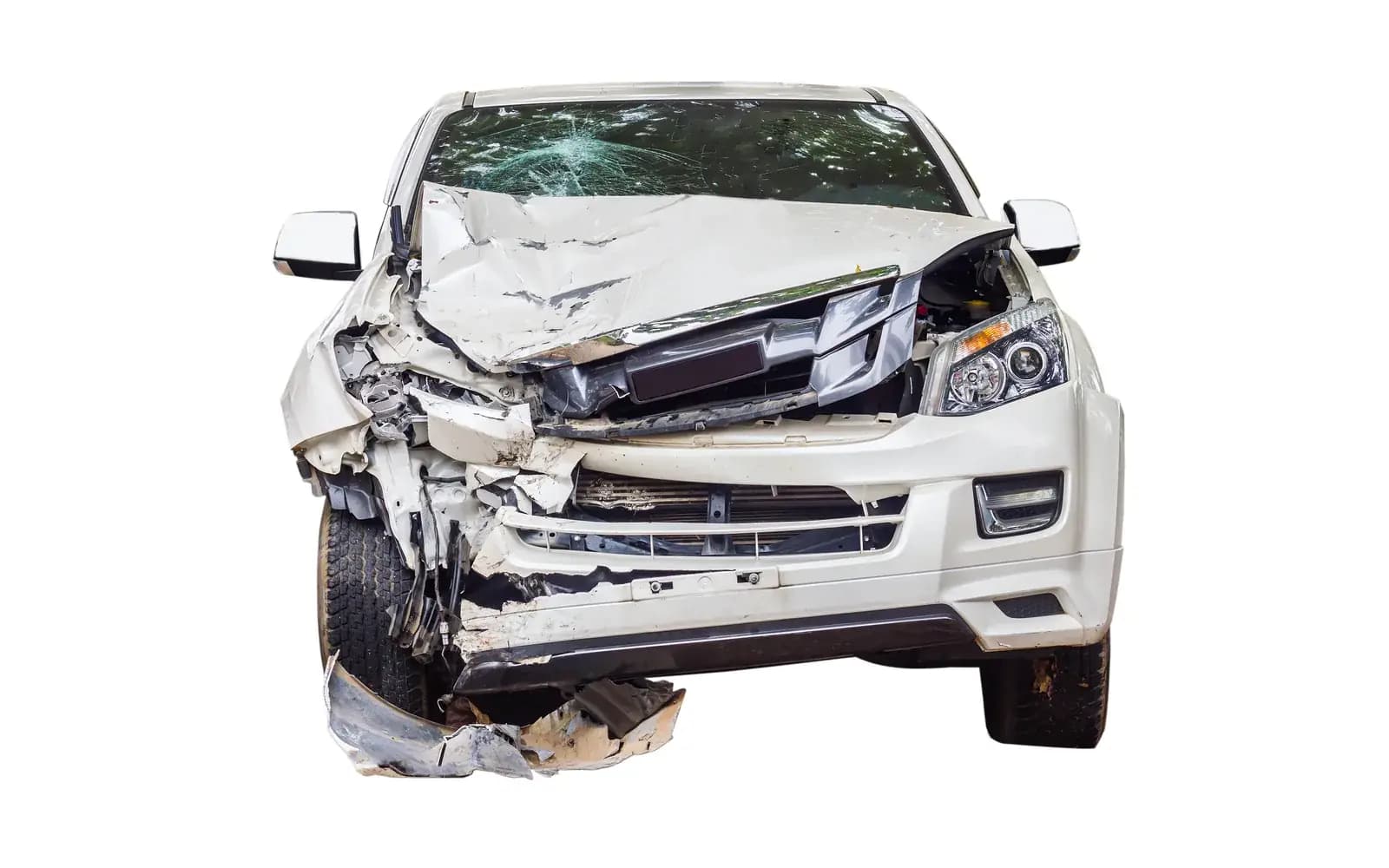
Just about anything — running or not, wrecked, flooded, rusted out, or missing parts. We make offers on cars that other buyers pass on.
Do I need the title?
Having the title in hand is best — you'll sign it over in the seller section on the back at pickup. If your title is missing, tell us your situation and we'll walk you through what's possible.
How is my offer calculated?
We price your car based on year, make, model, and condition, plus current scrap value that week. Newer and larger vehicles are generally worth more, but there is no typical figure worth quoting — the number depends on your specific car, so get your own instant offer for the real one.
Is towing really free?
Yes — free towing means $0, no hidden fee, anywhere in New York.
How fast can you pick up?
We move quickly once your offer is accepted. Exact timing depends on your location and schedule, so we'll confirm a pickup window with you directly.
What paperwork do I need in NY?
You'll need your signed-over title, and your plates should come off before pickup. New York requires sellers to surrender plates to the DMV before canceling insurance, and the DMV issues an FS-6 receipt for the surrender — we'll walk you through it.
What happens to my plates?
Remove your plates before we arrive for pickup. You'll then surrender them to the DMV and keep the FS-6 receipt as your proof of surrender — check dmv.ny.gov for details on the process.
When and how do I get paid?
You get paid at pickup once the vehicle and paperwork are confirmed — no waiting around for a check in the mail.
We’ll Buy It.
Because when it comes down to it, junk cars are our thing. Anywhere in New York.