To get a title for a car in New York, you file a Vehicle Registration/Title Application (MV-82) with proof of ownership, proof of identity, and proof of sales tax payment, and pay a $50 title certificate fee. Most people apply automatically when they first register a vehicle. If you already have a title and need a new copy because it's lost, damaged, or stolen, that's a separate duplicate-title request with its own $20 fee. Titles are never issued over the counter — DMV mails them after reviewing the application.
Which path applies to you depends on whether you're titling a vehicle for the first time or replacing a title you've already had. Both are covered below, with the actual DMV pages behind each fee and requirement.
Getting an original title when you register a vehicle
According to DMV's Certificate of Title page, most owners automatically apply for a title certificate the same time they register their vehicle, using the Vehicle Registration/Title Application (MV-82). You pay the registration and license plate fees, sales tax, and a title certificate fee of $50.00.
New York State issues a Certificate of Title (form MV-999) for most motor vehicles of model year 1973 or newer. Vehicles model year 1972 or older don't get a title certificate at all — for those, a transferable registration serves as the proof of ownership instead, per DMV's acceptable proofs of ownership page. Our guide to selling a pre-1973 car in NY covers what to expect if your vehicle falls into that older group.
If you buy from a dealer, the dealer typically handles the registration and title application for you, using a Retail Certificate of Sale (MV-50) as the proof of sale. If you buy in a private sale, you bring the seller's signed title yourself, along with a Vehicle Bill of Sale (MV-912).
What counts as proof of ownership
DMV's requirements differ by how you acquired the vehicle. Per its acceptable proofs of ownership page:
- New car from a dealer: a Manufacturer's Certificate of Origin (MCO) plus the dealer's Certificate of Sale (MV-50).
- Used car from a dealer: the dealer's Certificate of Sale (MV-50) plus the prior owner's title certificate, signed over to the dealer.
- Used car, private sale: the prior owner's title certificate, signed over to you.
If none of the standard proofs are available — the title was never issued, it's missing, or the seller can't produce it — DMV directs buyers to contact a DMV Contact Center or a motor vehicle office before completing the purchase. Our guide on proof of ownership without a title covers what DMV will and won't accept in that situation.
Getting a title without registering the vehicle
Sometimes you want a title certificate but you're not registering the car to drive it — a "title-only" transaction. DMV's certificate of title page describes this path: fill out the MV-82 or an Application for Title (MV-82TON), pay the sales tax at a motor vehicle office, and bring proof of ownership plus proof of the purchase price. The most commonly accepted proof of purchase price is the Statement of Transaction (DTF-802), which both the seller and buyer complete.
For most title-only transactions, DMV lists the required documents as the MV-82 application, proof of ownership (including any lien release), proof of sales tax payment, a salvage branding disclosure for vehicles 8 model years or newer, and the $50.00 title certificate fee by check or money order.
Getting a replacement or duplicate title
If your existing title is lost, damaged, or stolen, you need a duplicate, not a new original. DMV's Replace a Title Certificate page lays out three ways to request one:
- Online, if you're the vehicle's owner, have a current U.S. address on file, the vehicle is already registered and titled in New York, and nothing else on the title needs to change.
- By mail, sending a completed Application for Duplicate Title (MV-902), proof of identity, and a $20.00 check or money order to the DMV Title Bureau.
- At a DMV office, bringing the same MV-902 and proof of identity in person.
Whichever route you use, DMV states plainly that it will not hand you a new title on the spot — title certificates are printed at a secure facility in Albany and mailed to the address on file, whether you apply online, by mail, or in person. As soon as a duplicate is processed, the original title and any prior duplicates stop being valid for a transfer.
Our guide to selling a car with a lost title in NY walks through what to expect while you wait on a duplicate, including what a legitimate junk car buyer should tell you upfront about the timeline.
What it costs and how long it takes
The fees DMV publishes are specific and worth knowing before you start:
- $50.00 for an original title certificate ($125 for a manufactured home), per the certificate of title page.
- $20.00 for a duplicate title, per the replace-a-title-certificate page.
For duplicates specifically, DMV's certificate of title page states the request is processed within 72 hours after the application is accepted and then mailed. For an original title tied to a new registration, DMV's language is less precise: it describes the application process as something that "can take several weeks to complete," and directs owners to contact a DMV Contact Center if the title hasn't arrived within 90 days of applying. Treat any other number you hear — including from us — as an estimate, and confirm current processing times directly with DMV before you count on a specific date.
DMV's Replace a Title Certificate page also spells out how mailing works for online duplicate orders, broken down by when you order. A title ordered before 8 p.m. on a weekday is printed the next business day and mailed the day after that; order after 8 p.m., and printing pushes to two business days later. DMV notes it mails every title to the address currently on the title record, so if you've moved, updating your address with DMV before ordering matters more than the processing time itself — a title mailed to an old address doesn't help you either way.
If someone else has a lien on the vehicle
A title certificate doesn't just prove who owns a car — it also lists anyone with a lien against it, meaning a bank or finance company that loaned money toward the purchase. DMV's certificate of title page describes the lienholder as the person or institution listed on the title and in DMV's records, and notes that as the new owner you're usually not involved in filing the lien yourself; the lienholder or dealership handles it, and the lender can't charge you the recording fee.
Once a loan is paid off, the lienholder is expected to send a "lien release," which DMV describes as usually a Notice of Recorded Lien (MV-901) or a letter on the lender's stationery confirming the loan is satisfied. Keep that release. DMV notes you'll need to give it to a buyer, along with the title, when you eventually sell. You can also send the release to DMV's Title Bureau along with the original title and a $20 fee to get a new title issued without the lien listed. Our guides on selling a car with a loan or lien in NY and the NY lien release and the 3-business-day rule go into more detail on that process, including what to do if a lender is slow to send the release.
If a mistake shows up on the new title
Once your title arrives, DMV recommends checking it against your registration receipt for the vehicle's plate number, make, year, and VIN. If something's wrong, DMV directs you to contact a DMV Contact Center for an amended title, or bring both documents to a motor vehicle office if the registration is also incorrect. Catching an error early is a lot less trouble than discovering it mid-sale, when a mismatched name or VIN can stall a buyer's own registration.
That same acceptable-proofs-of-ownership page flags another situation worth checking before you sell: if any information on your title has been altered, erased, or changed after the fact, DMV won't accept it for a transfer. The current owner has to request a duplicate and use that clean copy instead. It's the same underlying rule as a cross-out on the transfer section, just applied to the front of the title instead of the back — once something's been changed by hand, DMV wants a fresh, unedited record before it changes hands again.
If the car isn't worth titling in the first place
Getting an original title or a $20 duplicate only makes sense if the car is headed back onto the road, or you're planning to sell it to someone who'll title and register it themselves. If the vehicle is done running and the title is more trouble than it's worth, a licensed junk car buyer can usually work with what you have, including a lost or duplicate-pending title in many cases. An instant offer takes about 60 seconds, and if the car matches your description, the price doesn't change at pickup. Towing is free anywhere in New York, folded into the offer.
Quick answers
How do I get a title for a car in NY? File a Vehicle Registration/Title Application (MV-82) with proof of ownership, identity, and sales tax payment, and pay a $50 title certificate fee. Most owners do this automatically when they first register a vehicle.
How much does it cost to get a new title in NY? An original title certificate costs $50.00. A duplicate title for a car you already own — lost, damaged, or stolen — costs $20.00, per DMV's published fees.
How long does it take to get a car title in New York? A duplicate title is processed within 72 hours of an accepted application and then mailed, per DMV. An original title tied to a new registration can take several weeks; if it hasn't arrived within 90 days, DMV says to contact a DMV Contact Center.
Can I get a title certificate handed to me at a DMV office? No. DMV states that title certificates are never issued over the counter — they're printed at a secure facility in Albany and mailed to the owner's address on file, regardless of whether you applied online, by mail, or in person.
What if my car is a 1972 model or older? New York doesn't issue title certificates for most vehicles model year 1972 or older. A transferable registration serves as the proof of ownership instead. See our guide to selling a pre-1973 car in NY for what that changes.
Does the process work differently in Erie County than downstate? No. The MV-82 application, the fees, and the mailing process are all set by state law, so they're the same whether you're in Erie County or anywhere else in New York. What changes locally is where you can drop off paperwork in person.
Get your instant offer
Free towing · No hidden fees · No obligation
Frequently Asked
Will you buy a car that failed NY inspection?
Yes. A failed inspection is one of the most common reasons people call us — and the repair estimate is often worth more than the car. We buy it whether it passed or not.
What kinds of cars do you buy?
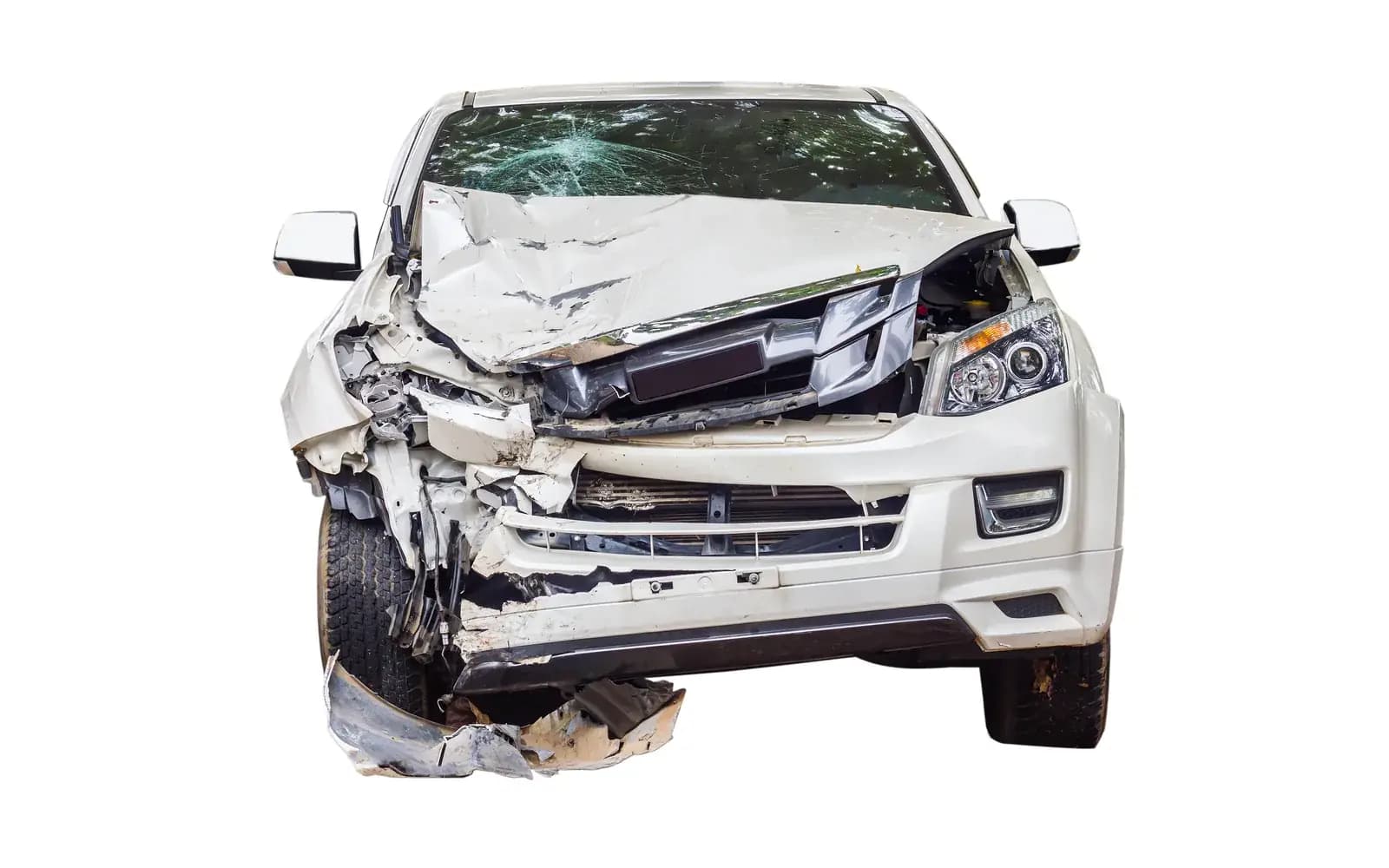
Just about anything — running or not, wrecked, flooded, rusted out, or missing parts. We make offers on cars that other buyers pass on.
Do I need the title?
Having the title in hand is best — you'll sign it over in the seller section on the back at pickup. If your title is missing, tell us your situation and we'll walk you through what's possible.
How is my offer calculated?
We price your car based on year, make, model, and condition, plus current scrap value that week. Newer and larger vehicles are generally worth more, but there is no typical figure worth quoting — the number depends on your specific car, so get your own instant offer for the real one.
Is towing really free?
Yes — free towing means $0, no hidden fee, anywhere in New York.
How fast can you pick up?
We move quickly once your offer is accepted. Exact timing depends on your location and schedule, so we'll confirm a pickup window with you directly.
What paperwork do I need in NY?
You'll need your signed-over title, and your plates should come off before pickup. New York requires sellers to surrender plates to the DMV before canceling insurance, and the DMV issues an FS-6 receipt for the surrender — we'll walk you through it.
What happens to my plates?
Remove your plates before we arrive for pickup. You'll then surrender them to the DMV and keep the FS-6 receipt as your proof of surrender — check dmv.ny.gov for details on the process.
When and how do I get paid?
You get paid at pickup once the vehicle and paperwork are confirmed — no waiting around for a check in the mail.
We’ll Buy It.
Because when it comes down to it, junk cars are our thing. Anywhere in New York.